

Mexico's Pacific coast braces for Hurricane Polo
Category 3 Hurricane Polo with 185 km/h winds targets Baja California Sur, prompting school closures and emergency shelters.
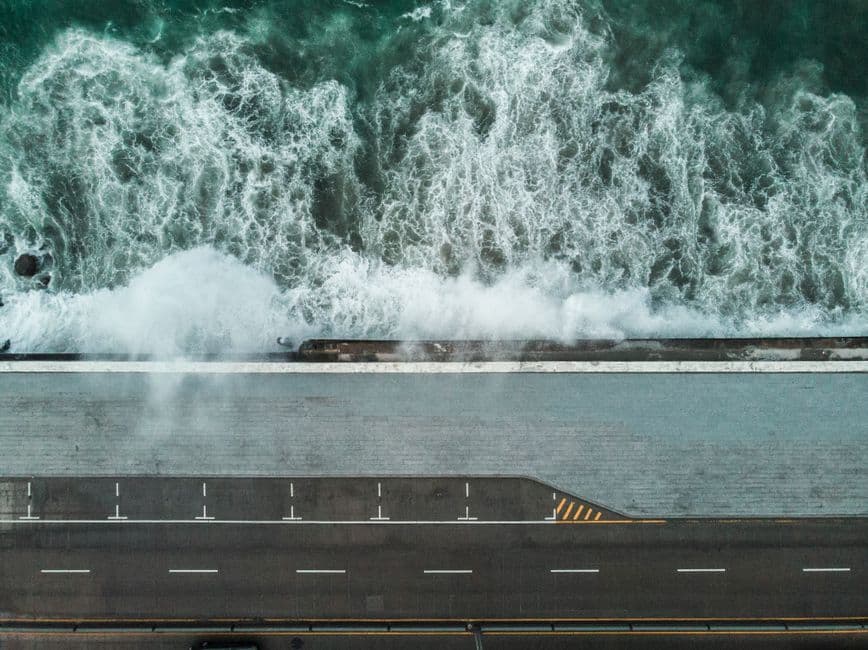
Stock photo for illustration only, not from the actual event
- Category 3 Hurricane Polo approaches Mexico's northern Pacific coast
- Maximum sustained winds reach 115 mph or 185 km/h
- Baja California Sur and Los Cabos resort region in the storm's path
- Authorities close schools, open shelters, and deploy military personnel
Communities along the northern Pacific coast of Mexico are making urgent preparations for the landfall of Hurricane Polo, which meteorologists forecast to hit land late Monday or early Tuesday. The powerful category three storm is packing maximum sustained winds near 115 miles per hour, equivalent to 185 kilometers per hour, and is projected to pass directly over the state of Baja California Sur, a prominent tourist hub that hosts the popular resort destination of Los Cabos.
Forecasters at the United States-based National Hurricane Center (NHC) have issued strict warnings regarding torrential rainfall capable of triggering life-threatening floods and mudslides, particularly across steep geographical terrains. In response to the approaching threat, local residents spent Sunday stocking up on vital provisions including drinking water and food supplies. The NHC also cautioned about dangerous storm surges driven by the hurricane, which could bring destructive and towering ocean waves.
In Cabo San Lucas, renowned for its iconic natural rock arch formation, local authorities restricted public access to local beaches. Several restaurants in the coastal town—frequently utilized as a base by sport fishermen and whale-watching enthusiasts—have temporarily suspended their operations. Furthermore, the regional government of Baja California Sur mandated that schools remain closed on Monday as a proactive safety precaution. Governor Víctor Manuel Castro Cosío announced that temporary shelters have been established should local residents require evacuation.
Stock photo for illustration only, not from the actual event
Federal authorities have responded by dispatching thousands of navy and army personnel to the affected zones, accompanied by specialized heavy machinery. Meteorological experts noted that Polo has been drifting steadily toward the Mexican shoreline while being energized by exceptionally warm ocean temperatures driven by the El Niño climate phenomenon.
The El Niño climate pattern mentioned as the catalyst for the storm's intensity involves abnormal warming of surface waters in the eastern Pacific Ocean. This phenomenon significantly increases atmospheric moisture and thermal energy, creating ideal conditions for tropical cyclones to intensify rapidly. Coastal regions subjected to these intensified storms frequently face severe infrastructure damage and disruptions to local tourism economies.
Source: BBC Science & Environment
Found something wrong in this article? Report an issue with this article
Comments
Leave a Comment