

UK diesel price hits all-time high, RAC reveals
RAC reports UK diesel prices have reached a record high of 199.18p per litre as Middle East conflict drives up fuel costs.
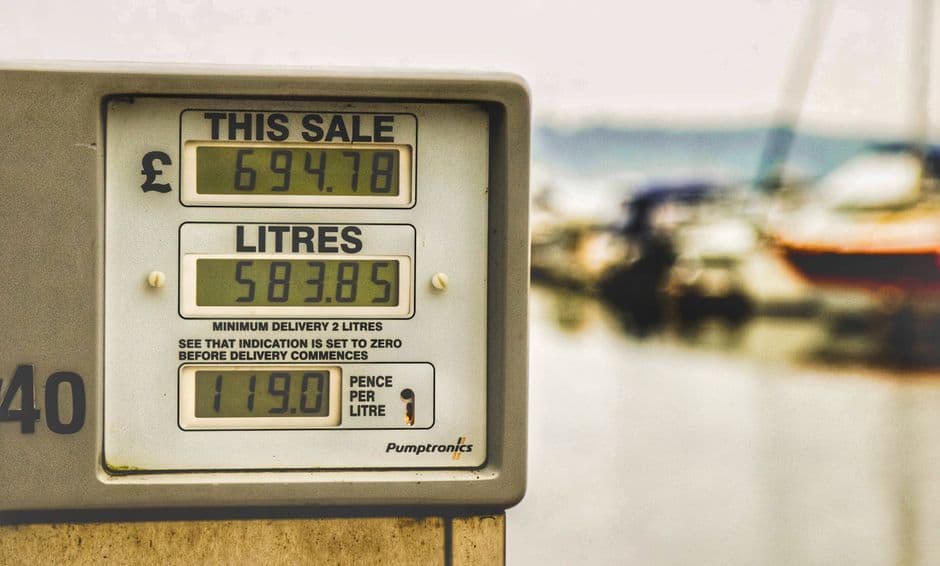
Stock photo for illustration only, not from the actual event
- UK diesel prices have climbed to an unprecedented record high of 199.18p per litre.
- Costs have surged by about 59p, or nearly 40%, since the Iran conflict erupted in late February.
- Filling an average family car with diesel now costs £110, an increase of £31.
- Brent crude oil prices hover around $108 per barrel amid tightening international supplies.
Diesel prices in the United Kingdom have surged to an all-time record high of 199.18p per litre, according to the RAC motoring organization, as ongoing warfare in the Middle East continues to drive up fuel expenses. Meanwhile, petrol prices also continue on an upward trajectory, with a litre currently priced at 174.13p.
Over the past seven months, the war involving Iran has severely disrupted wholesale oil production and transportation across the entire region, causing the prices of fuel derived from oil to spike sharply. Since the conflict initiated by the US and Israel against Iran began at the end of February, diesel costs have escalated by 59p per litre, representing just under a 40% increase and surpassing the previous record of 199.09p set in June 2022 following Russia's full-scale invasion of Ukraine.
This substantial increase means that filling an average family vehicle with diesel now amounts to £110, which is £31 more expensive than at the onset of the conflict. Although petrol prices are currently 41p per litre higher than when the crisis started, they remain well below the peak levels recorded in 2022. The RAC data is compiled from average fuel prices observed across supermarkets, motorway service stations, and independent retail outlets.

Stock photo for illustration only, not from the actual event
On the global commodity markets, Brent crude—the primary benchmark used for producing petrol, diesel, and other refined fuel products—rose over the weekend and is currently hovering around $108 per barrel. Prior to the military actions initiated by the US and Israel against Iran, the benchmark was trading at approximately $73. International diesel supplies have faced severe constraints due to the Middle East conflict, restricting the flow of both crude oil and refined diesel into global markets.
The record diesel prices in the UK highlight the acute vulnerability of global energy supply chains during geopolitical crises in the Middle East. Because diesel involves a more complex refining process than gasoline and serves as the lifeblood of the haulage, agricultural, and heavy industries, reducing demand or finding immediate substitutes is exceptionally difficult. Coupled with the UK's structural reliance on imported diesel—as domestic refineries cannot meet local demand—the country remains highly exposed to crude price volatility and export restrictions imposed by major producing nations.
In addition, Russia, another major global producer, has implemented an outright export ban on diesel following Ukrainian drone and missile strikes on its oil refineries, further constricting international availability. Diesel is inherently more difficult to refine than gasoline, and due to its heavy reliance by the commercial freight and agricultural sectors, curbing consumer demand proves exceptionally difficult in the short term.
The UK heavily relies on imports to satisfy its domestic fuel requirements. Although the nation's four operating refineries generate more than enough gasoline to cover local consumption, they fall short of producing adequate diesel volumes for the country's needs. Data released by the Department for Transport indicates that there were 15.1 million diesel vehicles on UK roads at the end of June, representing a decrease from 15.7 million recorded a year prior, which includes 9.8 million diesel passenger cars compared to 10.4 million the previous year.
Source: BBC Business
Found something wrong in this article? Report an issue with this article
Comments
Leave a Comment