

Aurora CFO defends bold plan for 30,000 driverless trucks by 2030
Autonomous vehicle firm Aurora outlines plans to reach 30,000 self-driving trucks and $5 billion in annual revenue by the end of 2030.
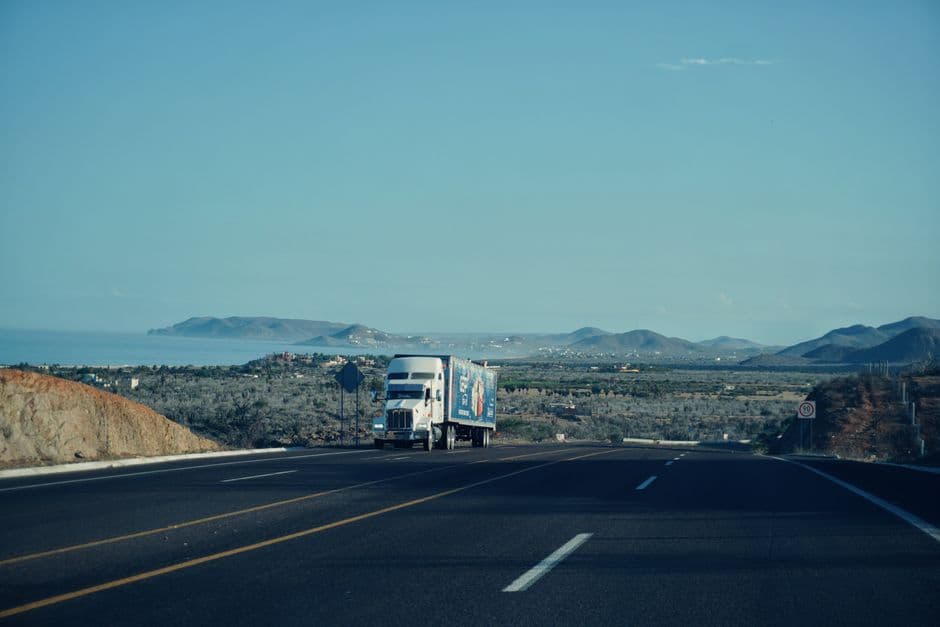
Stock photo for illustration only, not from the actual event
- Aurora aims for 30,000 autonomous trucks and $5 billion in annual revenue by 2030
- The company plans to shift toward a driver-as-a-service model starting in 2027
- Customers will own trucks while paying Aurora roughly $0.85 per mile for software subscription
Autonomous vehicle technology company Aurora recently shared its ambitious roadmap with investors, revealing expectations to deploy more than 30,000 self-driving trucks on the road and generate $5 billion in annual revenue by the end of 2030. This target appears remarkably bold given that the company expects to wrap up 2026 with a mere 200 driverless trucks and an $80 million revenue run rate.
David Maday, the company's chief financial officer, maintains that this seemingly outsized target is neither as massive nor as unattainable as critics might think. While investors are given time to adjust to the vision, Maday notes that the major catalyst for Aurora kicks off in 2027, with deployment projected to scale rapidly from 200 driverless trucks at the close of 2026 to over 1,000 vehicles just one year later.
Currently, Aurora operates under a transportation-as-a-service model—a proof-of-concept framework capped at approximately 500 trucks. Under this setup, the firm owns and operates the autonomous trucks directly, charging corporate clients such as Detmar Logistics, Hirschbach, McLane, and Werner about $2 per mile, a rate that incorporates a fuel surcharge and aligns closely with standard carrier pricing.
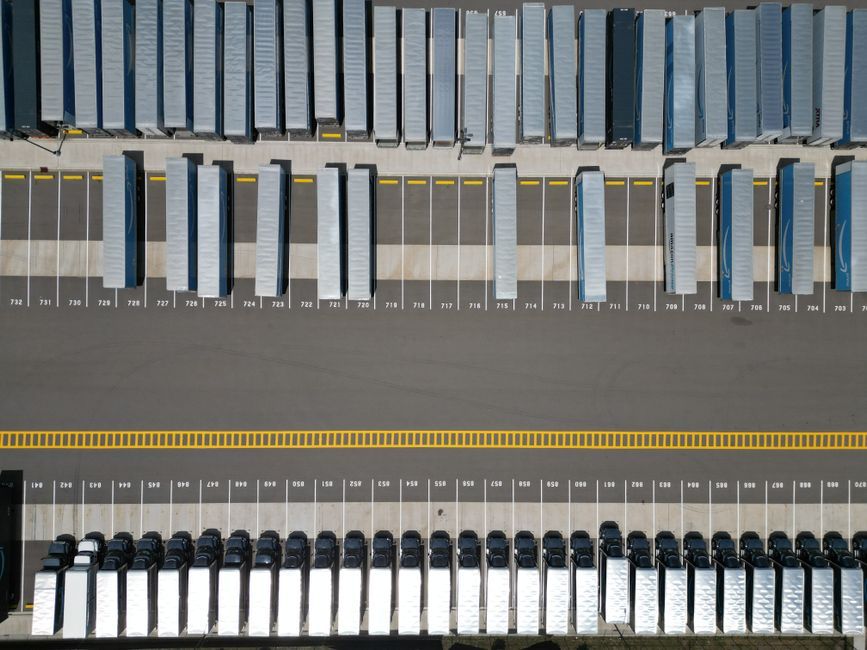
Stock photo for illustration only, not from the actual event
The pivotal operational shift and genuine cost savings will materialize next year when Aurora transitions to a driver-as-a-service model. Rather than keeping trucks on its own balance sheet, customers will purchase the self-driving vehicles directly and pay Aurora a subscription fee pegged at roughly $0.85 per mile for the autonomy stack. In this configuration, clients handle vehicle ownership and upkeep, while Aurora maintains the self-driving software and accompanying hardware.
"The seemingly outsized target isn’t as large or as out of reach as it might appear."
David Maday, Aurora CFO
Shifting physical asset ownership away from the technology provider is a common scaling strategy in capital-intensive autonomous driving sectors. By transitioning customers into vehicle owners while retaining a recurring software subscription fee, companies can scale operations globally without incurring crippling fleet acquisition costs on their balance sheets.
Offloading these trucks from Aurora's balance sheet is deemed essential for company-wide scaling and serves as a focal point for investors. The firm stated it anticipates reaching breakeven gross margins on a run-rate basis during the first half of 2027 with roughly 500 trucks operating in the field. Simultaneously, Maday indicated that operations will scale geographically beyond a handful of southern states to cover the vast majority of the continental United States by 2030.
Source: TechCrunch
Found something wrong in this article? Report an issue with this article
Comments
Leave a Comment