

Nvidia AI Chips in China: ByteDance and Alibaba
Experts worry China may let ByteDance and Alibaba buy banned Nvidia AI chips as Jensen Huang's influence over Donald Trump grows.
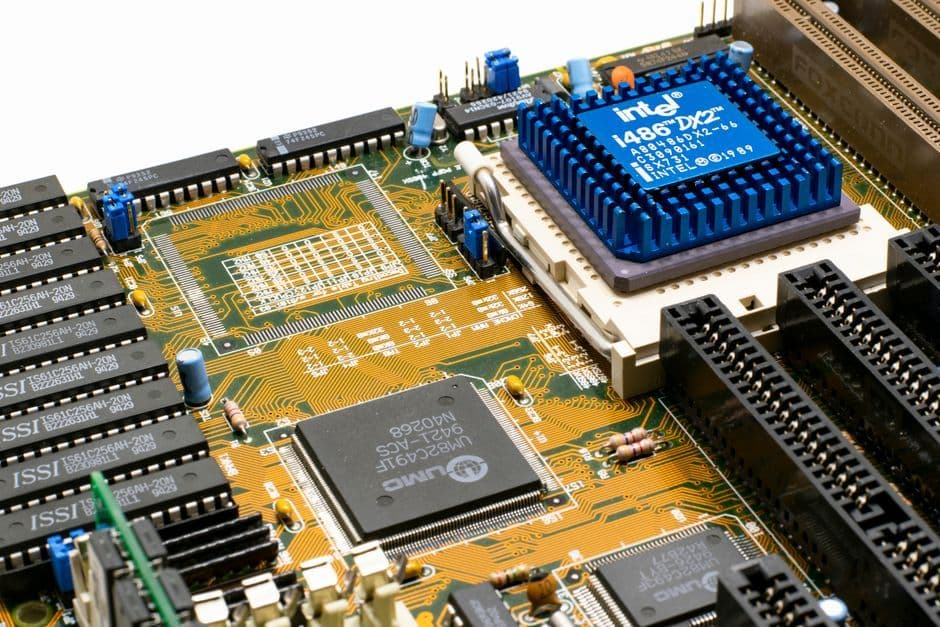
Stock photo for illustration only, not from the actual event
- China is reportedly considering letting ByteDance and Alibaba buy banned Nvidia AI chips.
- Industry experts have raised serious concerns regarding technology security and trade policy.
- Nvidia CEO Jensen Huang's growing influence over Donald Trump is drawing close attention.
Reports indicate that China is currently weighing the possibility of allowing major domestic technology firms ByteDance and Alibaba to purchase Nvidia artificial intelligence chips that were previously subjected to strict export bans. This potential shift has caught the global semiconductor industry by surprise.
This development has sparked anxiety among technology policy experts, who are monitoring how such a regulatory softening from Beijing might alter the technological balance of power between the United States and China, as well as impact the global AI supply chain stability.
Stock photo for illustration only, not from the actual event
Beyond the chip transactions, analysts are also highlighting the expanding role and influence of Nvidia CEO and founder Jensen Huang over Donald Trump. This dynamic could play a crucial part in shaping future trade policies and technology export controls between the two superpowers.
China's potential pivot to allow tech giants to acquire previously banned chips underscores how the insatiable demand for advanced computing power in AI development often tests the limits of government trade restrictions. Meanwhile, the growing intersection of private corporate leadership and political power illustrates how commercial diplomacy is increasingly steering tech geopolitics.
Source: Ars Technica
Found something wrong in this article? Report an issue with this article
Comments
Leave a Comment