

SPEAR H 2026: NIA and Mahidol University Accelerate Thai HealthTech
The SPEAR H project by NIA and Mahidol University (INT) empowers Thai researchers in business, tackling delayed diagnoses and heavy medical paperwork.

Stock photo for illustration only, not from the actual event
- SPEAR H : HealthTech Accelerator is driven by NIA and Mahidol University (INT).
- Aims to transform Thai researchers' mindsets to successfully enter the HealthTech business world.
- Operates across 4 core challenges: accurate diagnosis, hospital efficiency, disease prevention, and self-care.
- Reduces doctors' paperwork burdens from hours down to just 10 minutes.
Thailand's public health system currently faces multifaceted challenges, ranging from delayed disease diagnoses and heavy administrative paperwork burdens on physicians to preparing for an aging society.
To address these critical issues, the SPEAR H : HealthTech Accelerator project—a collaboration between the National Innovation Agency (NIA) and Mahidol University through the Institute for Technology and Innovation Management (INT)—serves as a vital catalyst. It equips and transforms the mindsets of local researchers and technology developers.
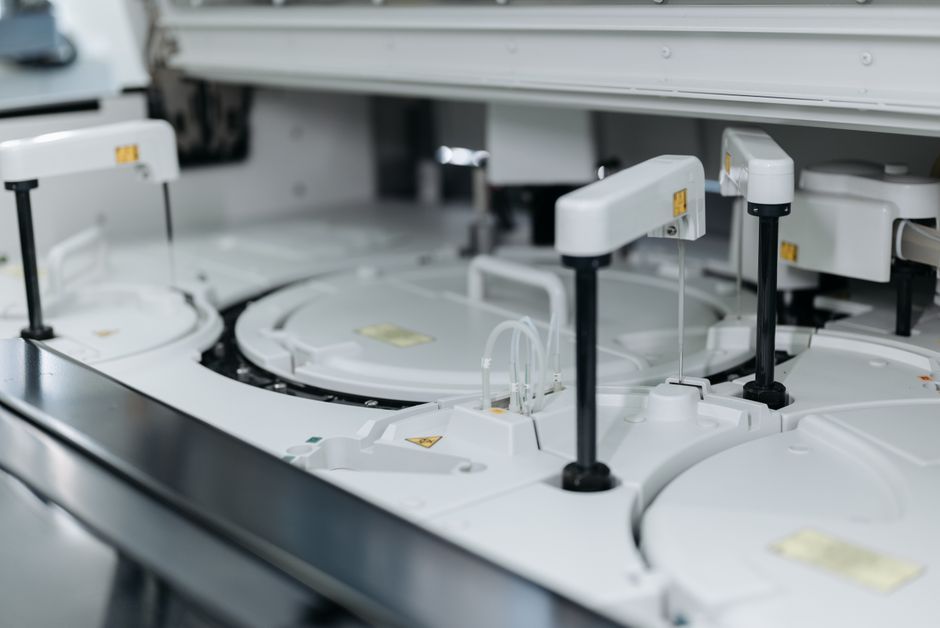
Stock photo for illustration only, not from the actual event
The initiative focuses on enabling researchers to push past traditional boundaries and transition into the business sector robustly, driven by four core challenges designed to solve real-world problems in Thailand's healthcare system.
The four core pillars driving healthcare innovation under the SPEAR H project include:
- Accurate diagnosis: Faster and deeper screening to target diseases in a timely manner.
- Improved hospital operations: Cutting doctors' paperwork burden from several hours down to 10 minutes.
- Preventative care: Identifying risks to intercept diseases before symptoms appear.
- Self-driven wellness: Platforms supporting sustainable self-care for individuals.
Driving HealthTech through a partnership between state agencies like NIA and leading academic institutions like Mahidol University highlights the effort to bridge the gap between laboratory research and commercial application, which is often a major hurdle for medical tech startups in Thailand. Streamlining hospital workflows and enhancing diagnostic accuracy not only reduces operational costs but also sustainably elevates the quality of life for an aging population.
Source: Techsauce
Found something wrong in this article? Report an issue with this article
Comments
Leave a Comment