

AlphaFold adds 8,000+ viral protein pairs for pandemic prep
AlphaFold Database adds 8,028 viral protein structures across 2,800 species and launches the Pandemic Preparedness Portal.

Stock photo for illustration only, not from the actual event
- AlphaFold adds 8,028 viral protein structures covering 2,800 species across 23 families
- Launches the Pandemic Preparedness Portal to centralize viral structural data
- Focuses on predicting interacting protein pairs including homodimers and heterodimers
- Applies strict screening criteria to ensure high reliability on the public database
The AlphaFold Database, an AI-powered protein structure prediction repository, has introduced a major update focused specifically on viral proteins alongside a new Pandemic Preparedness Portal. This dedicated hub consolidates structural data for approximately 2,800 viral species spanning 23 families known to infect humans, ranging from common cold viruses, measles, and hepatitis B to mpox.
Unlike previous releases focusing on single proteins, this update examines proteins working in interacting pairs known as dimers, categorized into homodimers (two identical protein chains) and heterodimers (different protein chains). Professor Joe Grove, a molecular virologist at the University of Glasgow who contributed to the dataset, explained that many viral proteins do not function in isolation, making single-protein shapes insufficient for comprehensive study.
Understanding the 3D structures of these protein complexes helps pinpoint viral surface targets essential for developing diagnostic tests, therapeutics, and vaccines. Traditionally, acquiring such data requires specialized laboratories, extensive time, and high costs. This release aims to lower barriers for scientists in resource-limited regions who are often on the front lines of disease outbreaks.
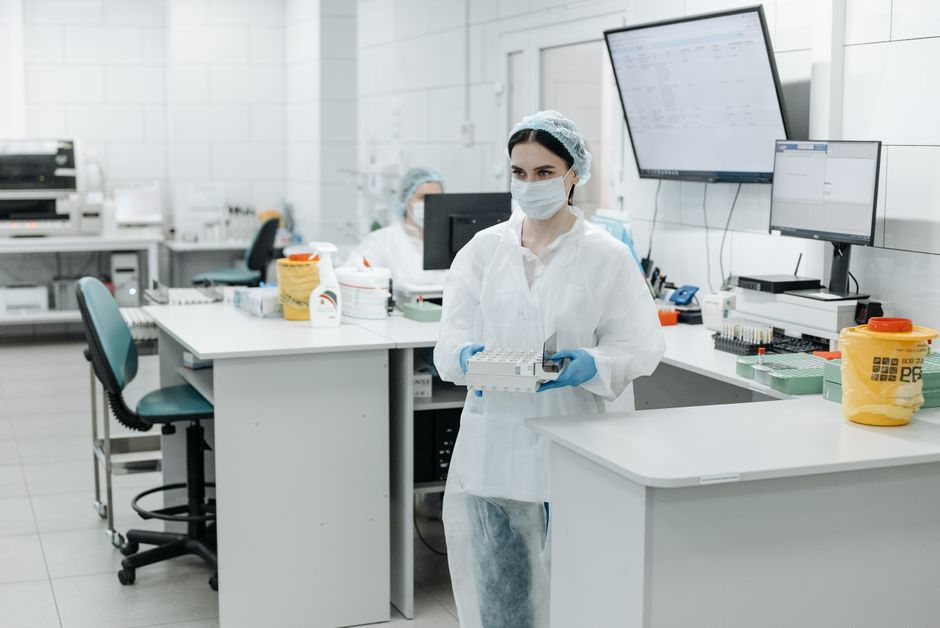
Stock photo for illustration only, not from the actual event
The expansion of the AlphaFold Database into viral protein complexes marks a critical milestone for global health security. Providing pre-calculated 3D structures before a pathogen triggers a widespread crisis empowers researchers worldwide to accelerate countermeasures, supporting the 100 Days Mission goal to deliver safe vaccines and therapeutics rapidly.
"The structure of a protein complex alone doesn't tell us what happens when a virus mutates."
Joe Grove
This initiative represents a collaborative effort among organizations including Google DeepMind, EMBL-EBI, NVIDIA, Seoul National University, the University of Glasgow, the Swiss Institute of Bioinformatics (SIB), CEPI, and Sungkyunkwan University. NVIDIA assisted by optimizing large-scale prediction workflows via the NVIDIA BioNeMo Inference Runtime, while Lund University's Atkinson lab contributed 4,681 homodimers.
The research team analyzed 41,774 protein sequences from 2,812 viruses using AlphaFold2 and AlphaFold-Multimer, generating 40,746 homodimers and nearly 1.7 million heterodimers. Out of these, only 8,028 pairs—roughly 0.47%—met stringent quality thresholds to appear on the main database interface, prioritizing reliability over volume while making the remaining data available for download.
Source: Techsauce
Found something wrong in this article? Report an issue with this article
Comments
Leave a Comment