

SpaceX Starship splashdown ends in fireball
BBC footage captures the final moments of a SpaceX Starship test flight ending in a massive fireball during splashdown.
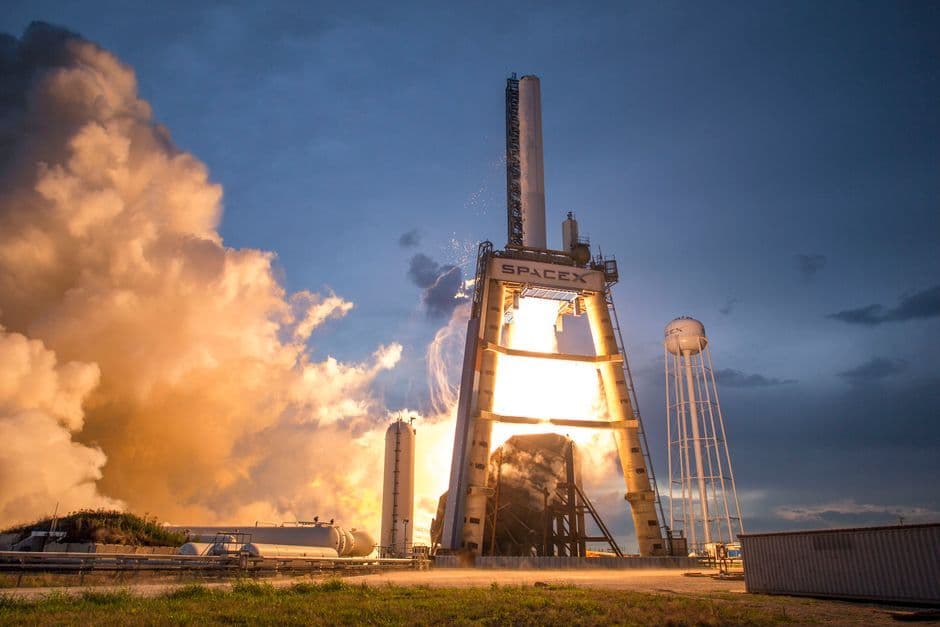
Stock photo for illustration only, not from the actual event
- SpaceX Starship test flight ends in a fiery explosion
- The incident was captured in a 50-second video by BBC
- Highlights ongoing challenges in rocket development
The latest developmental flight test of SpaceX's massive Starship spacecraft has encountered a dramatic setback, with the vehicle's descent concluding in a massive fireball upon impact during the landing phase.
BBC Science & Environment released a 50-second video capturing the explosive conclusion of the test flight. The footage shows the spacecraft engulfed in flames as the splashdown attempt goes awry, marking another high-profile moment in the company's aggressive testing schedule.
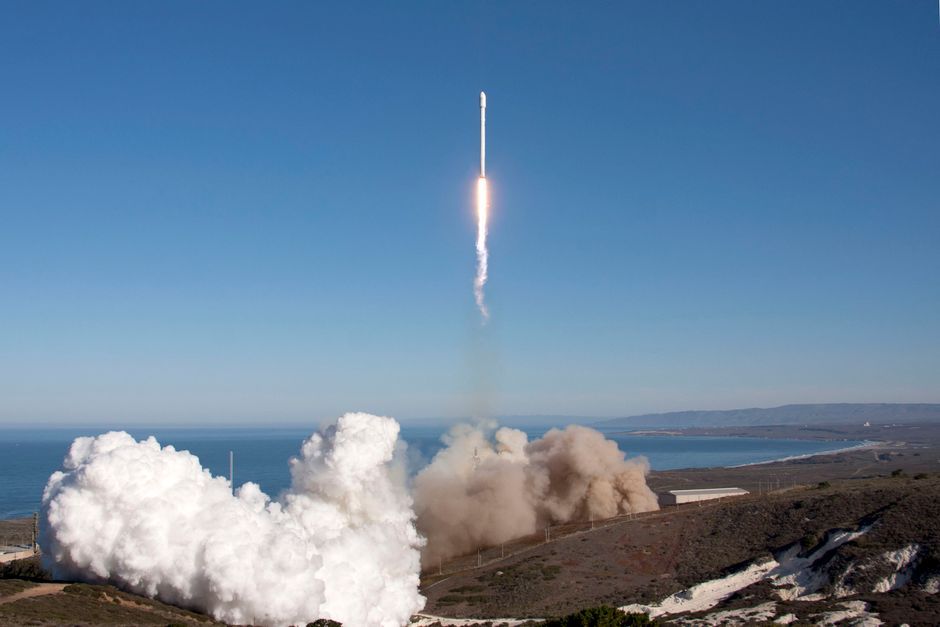
Stock photo for illustration only, not from the actual event
Explosions during the landing or splashdown phase are a known part of the iterative engineering process used by SpaceX for its reusable rocket prototypes. Pushing hardware to its absolute limits allows engineers to gather critical telemetry data that computer simulations cannot always replicate, which is essential for refining future iterations of the spacecraft despite the visual spectacle of failure.
Prior to this incident, the Starship program has seen numerous milestones, including its first successful orbital launch and a cumulative total of 13 test flights that have documented both the successes and setbacks of the heavy-lift vehicle development.
Engineering teams at SpaceX will now face the task of analyzing the telemetry and video data to pinpoint the precise mechanical or guidance failure that led to the fiery end, ahead of future launch authorizations by US regulators.
Source: BBC Science & Environment
Found something wrong in this article? Report an issue with this article
Comments
Leave a Comment