

Welsh beach fossil ends confusion over ancient fish teeth
A fossil jaw found on a Welsh beach by Jonathan Bow helps researchers correct long-standing misidentifications of Triassic fish species across European museums.
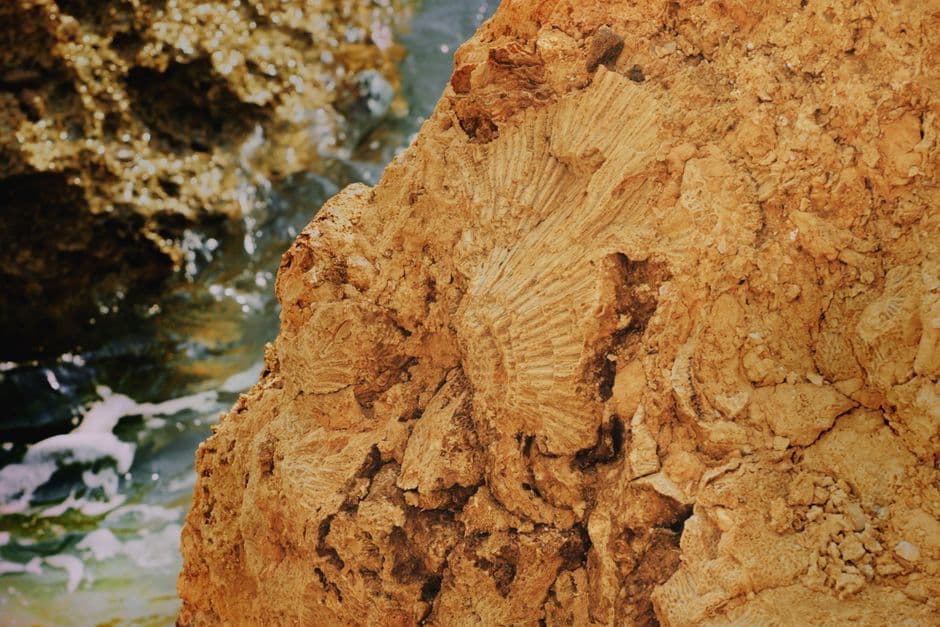
Stock photo for illustration only, not from the actual event
- A beach fossil discovery in Wales resolves a long-standing scientific puzzle
- Specimens across European museums were previously misclassified together
- The fossils actually belong to two distinct species: Saurichthys and Birgeria
- The jaw bone will be displayed at National Museum Cardiff later in 2026
Fossilised teeth discovered around the Bristol Channel and across Europe had historically been lumped together under a single category of large ancient fish named Severnichthys. However, a bone unearthed on the Welsh side of the channel by Jonathan Bow proved to belong to an entirely different group, prompting scientists to re-examine existing museum collections.
Bow made the breakthrough discovery while beachcombing along the Vale of Glamorgan at low tide in the spring of 2012, initially suspecting he had stumbled upon the remains of a miniature crocodile. For years, the true identity of the jaw remained a mystery until University of Bristol researcher Jacob Quinn examined Bow's collection in 2022.
<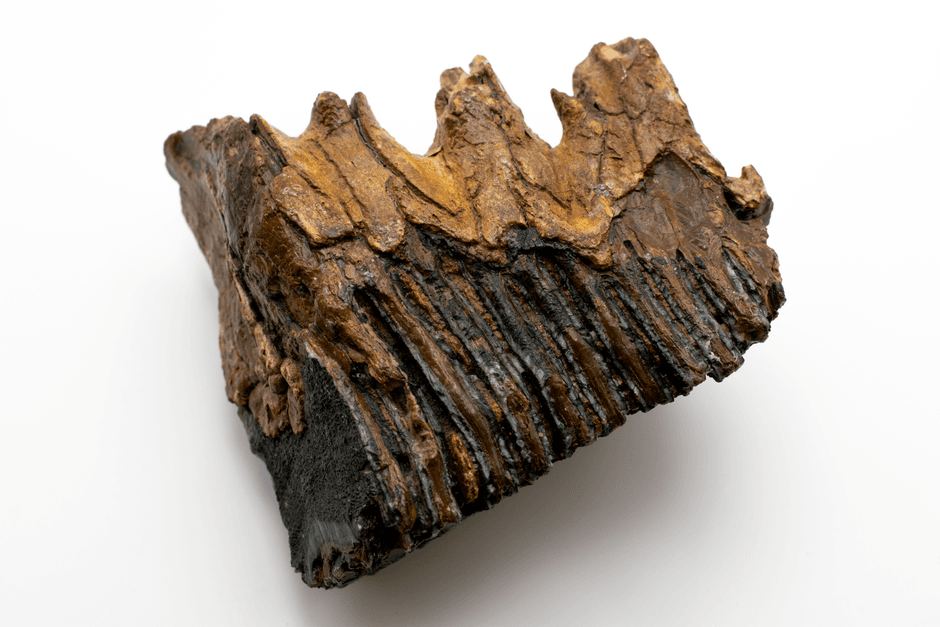
Stock photo for illustration only, not from the actual event
The detailed investigation involved collaboration between Amgueddfa Cymru - Museum Wales, the State Museum of Natural History Stuttgart, and the University of Bristol. Analysis revealed the specimen belonged to Saurichthys, a predatory fish inhabiting shallow tropical seas during the Late Triassic period, roughly 200 million years ago.
Researchers noted that the revised classification separates the fossils into two distinct predators: the swift and agile Saurichthys, and the larger, more powerful Birgeria. The original specimen discovered by Bow is scheduled to go on public display at the National Museum Cardiff later in 2026.
"This lovely little jaw caused great confusion when it was first found as it bore no resemblance to any known species."
Cindy Howells
This discovery highlights how fragmentary fossil evidence in early paleontology often led to composite classifications. When scientists rely on isolated teeth or tiny bone fragments, misidentifications can persist for generations until a more complete anatomical specimen provides definitive proof.
Source: BBC Science & Environment
Found something wrong in this article? Report an issue with this article
Comments
Leave a Comment