

SpaceX Starship: Completes Orbit Test With Fiery Splashdown
SpaceX releases a 1-minute 27-second video showing its Starship rocket launching into orbit and executing a fiery splashdown during testing.

Stock photo for illustration only, not from the actual event
- SpaceX releases a video showcasing the latest Starship test flight
- Footage captures the entire sequence from launch to ocean splashdown
- The published test video has a duration of 1 minute and 27 seconds
SpaceX, led by Elon Musk, has published a video lasting 1 minute and 27 seconds documenting the orbit test flight of its Starship rocket, capturing every phase from the initial launch pad departure down to a fiery splashdown in the ocean as part of ongoing space exploration efforts in the United States.
The footage highlights the spacecraft ascending into the sky before re-entering the atmosphere and plunging rapidly toward the water, generating intense heat and plasma friction. This critical phase allows engineers to gather essential telemetry data required for refining the vehicle's reusability systems.
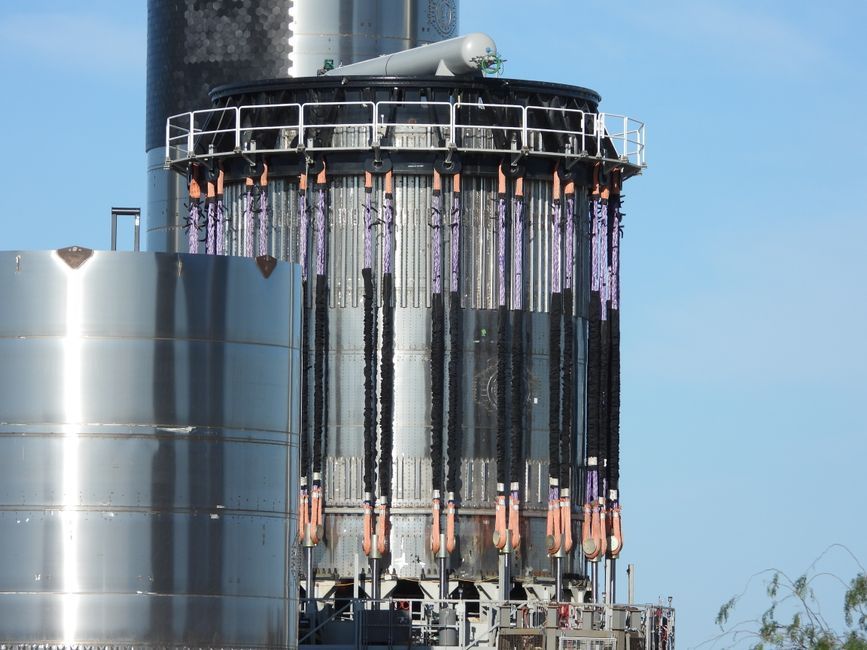
Stock photo for illustration only, not from the actual event
Alongside the Starship test footage, BBC Science & Environment has featured several related clips covering aerospace updates, including a retrospective look at previous Starship test flights, the space arms race involving the UK, and rare all-female spacewalk missions by astronauts.
Executing a controlled splashdown for a heavy-lift vehicle like Starship presents immense engineering challenges, requiring precise management of atmospheric re-entry angles and thermal protection tiles. Data gathered from these aggressive flight profiles is vital for SpaceX as the company works toward full reusability and future crewed missions to the Moon and Mars.
Readers interested in viewing the full video and following further updates regarding SpaceX test flights can access the original reporting through the provided link.
Source: BBC Science & Environment
Found something wrong in this article? Report an issue with this article
Comments
Leave a Comment