

Hosepipe bans in force as drought declared across England and Wales
The Environment Agency has declared drought conditions across more than half of England, affecting over 20 million people following record dry conditions and heatwaves.
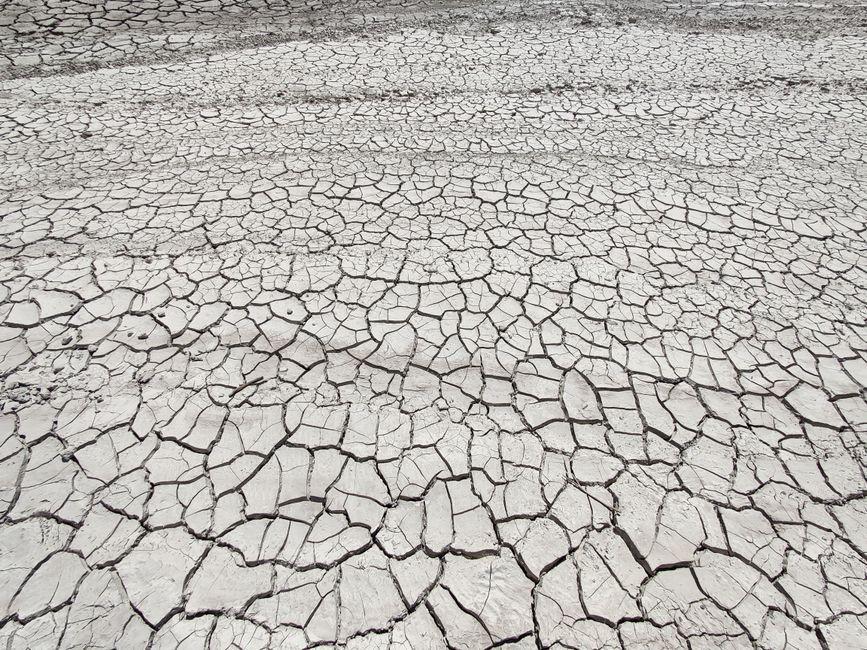
Stock photo for illustration only, not from the actual event
- The Environment Agency has declared drought across more than half of England.
- Over 20 million people in England and Wales are now under hosepipe bans.
- Nearly 80% of rivers in England are experiencing flows below normal levels.
- The government and water companies plan to build nine new reservoirs by 2050.
Drought conditions have been officially declared across large parts of England and Wales as successive heatwaves put severe pressure on water supplies, according to the BBC. The Environment Agency (EA) announced that more than half of England is now in drought, with central, eastern, and southern regions experiencing the most severe impacts, while Natural Resources Wales (NRW) declared drought in North Wales and the Upper Severn river basin.
Both nations are currently on track to record their driest July on record. Combined with hot and dry conditions through spring and early summer alongside surging demand, water supplies have become heavily depleted. Consequently, more than 20 million people are now subjected to hosepipe bans, which strictly prohibit using hosepipes to water gardens, wash vehicles and windows, or fill swimming pools.
Eight UK water companies have implemented restrictions, with seven operating across central, southern, and eastern England, and one stationed in Wales. Affected areas in England include East Anglia, Hertfordshire, the entirety of London, Thames Valley, Hampshire, the Isle of Wight, Devon, Cornwall, the West Midlands, and Wessex covering Dorset, Somerset, Wiltshire, and South Gloucestershire.
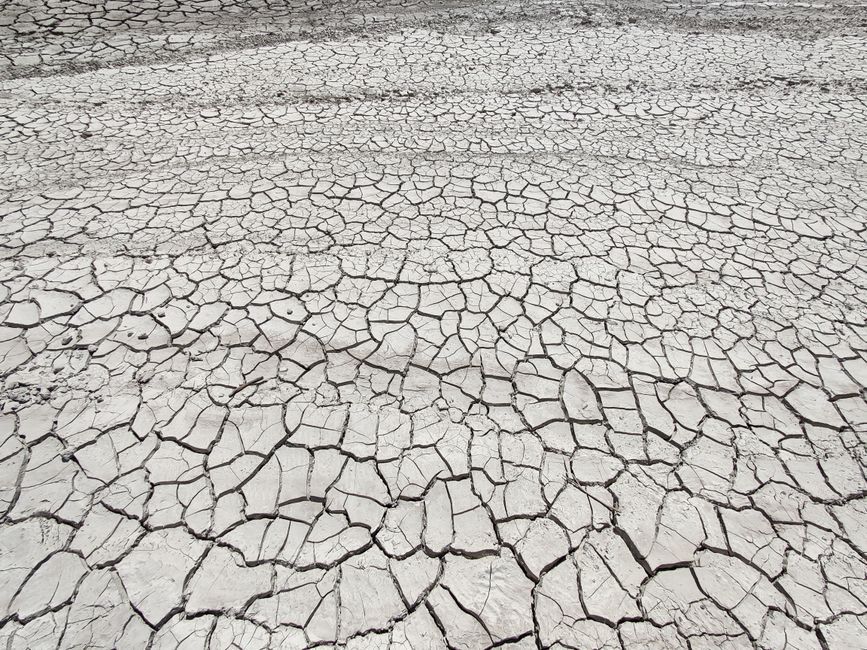
Stock photo for illustration only, not from the actual event
Droughts in the UK are complex events influenced by both natural climate patterns and human infrastructure challenges. Historic underinvestment in water networks, combined with rising global temperatures that accelerate soil and surface evaporation, means that winter rainfall surpluses are quickly neutralized by intense summer heat and growing domestic water consumption.
Natural water sources are bearing the brunt of the crisis. EA data shows that nearly 80% of English rivers are recording below-normal flows, with the River Thames at Reading and the River Cam at Dernford hitting near-record lows. Although groundwater stores in the south provide a helpful buffering mechanism due to their slow response times, they too have been strained by consecutive dry seasons.
"A warmer atmosphere is thirstier for moisture and this can mean water in the soil, rivers and reservoirs are depleted more effectively, leading to more rapidly onsetting droughts, heatwaves and wildfires."
Richard Allan, professor of climate science at the University of Reading
Looking toward future climate resilience, water companies and the government have laid out plans to construct nine new reservoirs across England by 2050, complementing an ongoing construction project at Havant Thicket in Hampshire to safeguard against increasingly dry summers.
Source: BBC Science & Environment
Found something wrong in this article? Report an issue with this article
Comments
Leave a Comment