

Fruit flies remember larval diet and adult lifespan
Study shows eating less protein as larvae may limit adult protein production capabilities and influence lifespan in fruit flies.
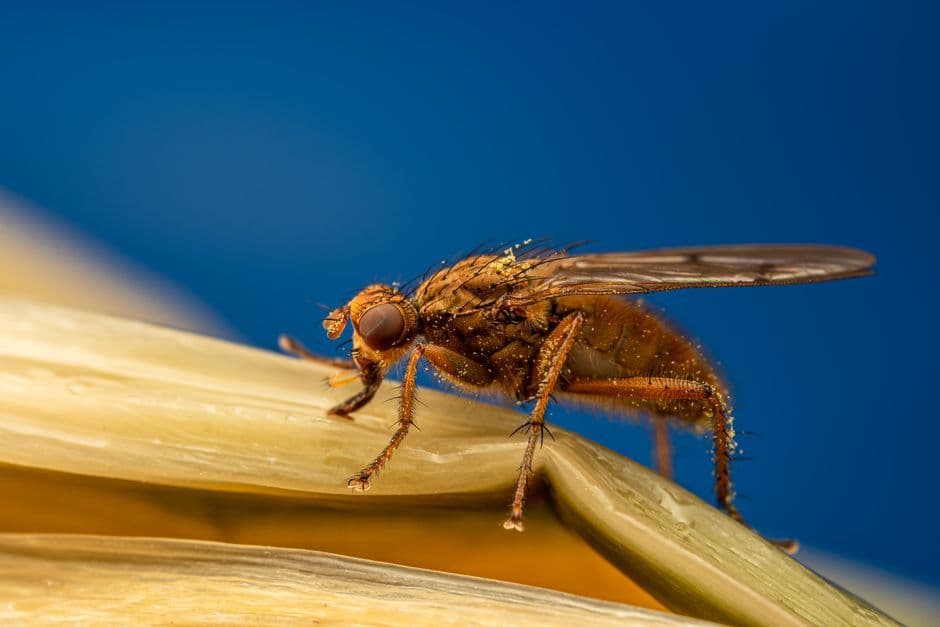
Stock photo for illustration only, not from the actual event
- Fruit flies retain memories of the specific diet they consumed during their larval stage
- Restricted protein intake in early life affects protein synthesis processes in adulthood
- Researchers found this nutritional memory directly impacts the overall lifespan of fruit flies
Recent scientific research has uncovered fascinating insights into fruit fly biology, revealing that these insects possess the ability to remember the nutritional content of their food from when they were larvae. This early-life nutritional memory has long-lasting effects on their health and longevity as they mature into adults.
Researchers explained that early-life nutrition plays a critical role in biological development, particularly regarding protein intake. If larvae consume lower amounts of protein than usual, it may permanently limit their ability to synthesize or produce proteins once they reach adulthood.
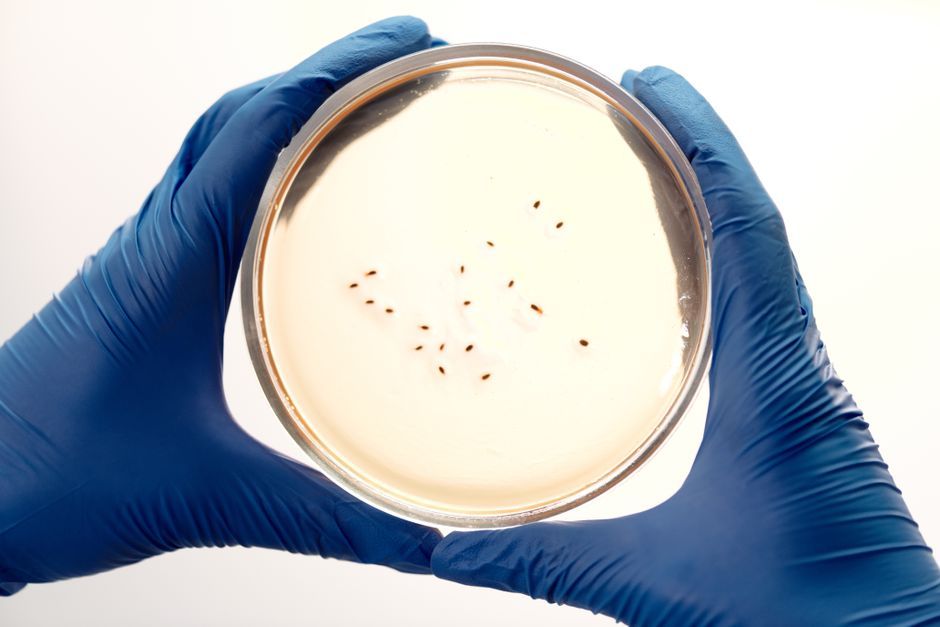
Stock photo for illustration only, not from the actual event
This mechanism demonstrates that environmental conditions and dietary habits during early development do not merely have short-term effects, but instead leave biological markers that shape the future physiological limits of the organism.
This study highlights how metabolic memory in fruit flies could be a crucial key for scientists trying to understand how organisms adapt to food scarcity. Although humans and fruit flies possess vastly different biological systems, the concept of early-life nutrition impacting later-life health is also a heavily studied topic in mammalian models.
Source: Ars Technica
Found something wrong in this article? Report an issue with this article
Comments
Leave a Comment