

Night Fever: Evolution of Club Architecture Since 1960
Exploring the Vitra Design Museum exhibition on how nightlife spaces transformed from radical discotheques to Berlin bunkers.

Stock photo for illustration only, not from the actual event
- Nightclubs serve as architectural laboratories where audiences become the spectacle.
- 1960s modular discotheques like Piper and Space Electronic redefined multi-use spaces.
- 1970s venues like Studio 54 made crowds an integral part of the visual identity.
- Post-Berlin Wall nightlife repurposed industrial plants and concrete bunkers like Tresor and Berghain.
Nightlife spaces have long functioned as experimental laboratories for architecture, performance, and collective life, where the traditional barrier between audience and stage completely dissolves. Exploring this history, the 2018 Vitra Design Museum exhibition Night Fever: Designing Club Culture 1960–Today examined how designers, architects, and artists transformed nightclubs into immersive environments. The core question centers on what happens when spectators step directly into the spectacle itself.
During the 1960s, architects began testing these concepts through visionary club designs. Piper opened in Turin in 1966, created by Giorgio Ceretti, Pietro Derossi, and Riccardo Rosso as a multifunctional space for concerts, experimental theater, and dancing with modular interiors. In Florence, Gruppo 9999 completed Space Electronic in 1969, treating architecture and technology as unified experiential elements. Meanwhile, New York's Electric Circus opened in 1967, designed by architect Charles Forberg with graphic identity by Chermayeff & Geismar, merging music, lighting, and moving crowds into a single cohesive environment.
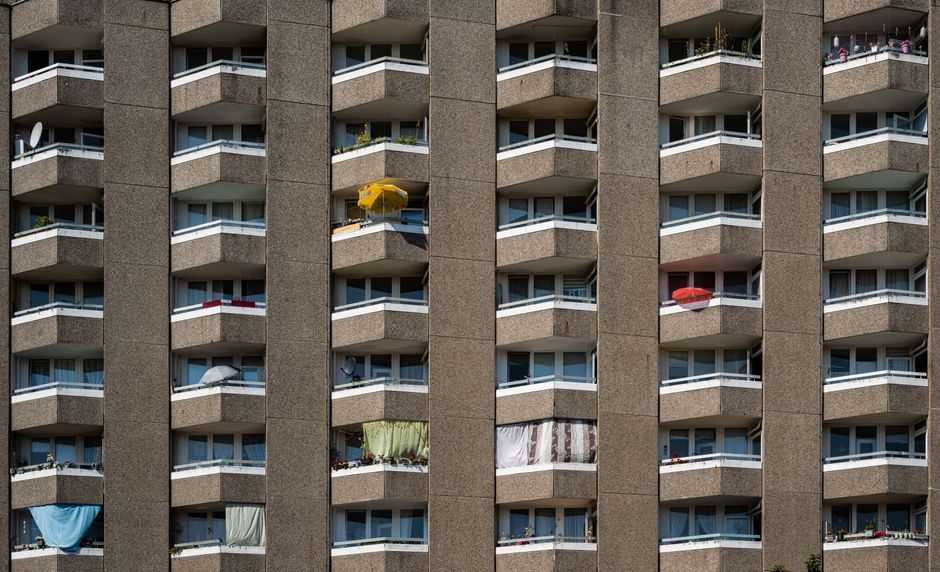
Stock photo for illustration only, not from the actual event
By the 1970s, disco culture tied nightlife directly to visibility and performance. Founded in 1977 by Ian Schrager and Steve Rubell with architectural design by Scott Bromley and Ron Doud, New York's Studio 54 made the crowd an essential visual component of the venue. Later venues like The Mudd Club in 1978 and Area in 1983 continually shifted their thematic interiors, allowing the spaces to evolve alongside their patrons.
Historical club architecture demonstrates how nightlife venues act as social incubators, allowing designers to push spatial boundaries and challenge conventional urban planning. These spaces reflect broader shifts in counterculture, media, and industrial repurposing across different decades.
Following the fall of the Berlin Wall, club culture occupied entirely different architectural typologies, moving into disused industrial sites and former power plants. Tresor opened in 1991, followed by Berghain in a former heating plant, utilizing raw concrete walls and steel structures to host underground nightlife in previously abandoned city zones.
Today, the dynamic between modern clubs and the outside world has shifted due to digital culture. Berghain remains famous for its strict door policy and strict no-photography rule inside, while the queue outside has transformed into an online spectacle of its own, creating a dual experience for contemporary visitors.
Source: designboom
Found something wrong in this article? Report an issue with this article
Comments
Leave a Comment