

Cars and mobile apps are leaking user data to tech giants
A new study by Northeastern University and Consumer Reports reveals 19 of 21 tested vehicles leak personal data to third parties.
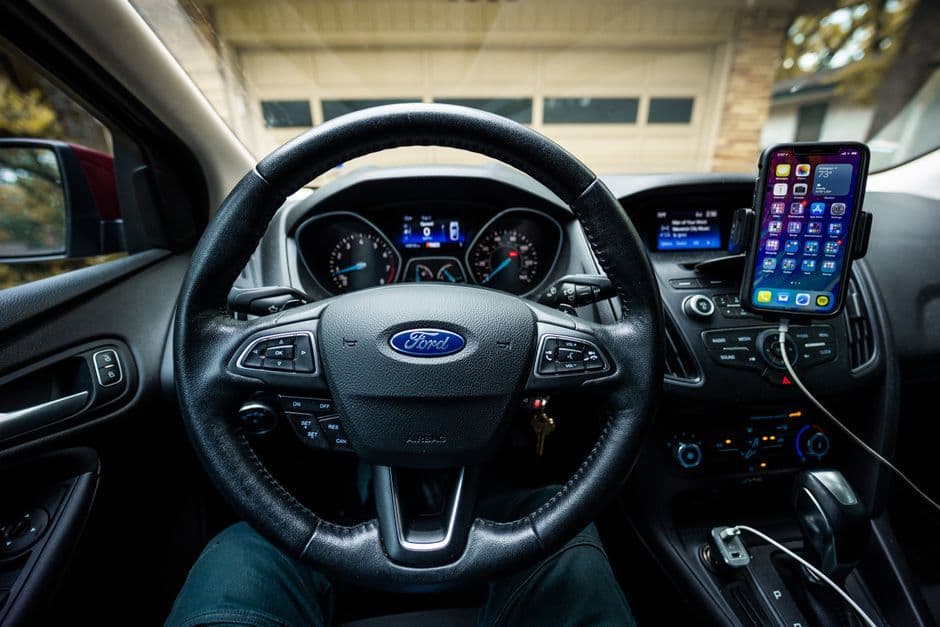
Stock photo for illustration only, not from the actual event
- Researchers tested 21 late-model vehicles from 17 automakers and 30 companion mobile apps.
- 19 out of 21 vehicles transmitted traffic data to at least one third-party entity.
- 7 out of 30 apps shared sensitive data like VINs and precise GPS locations.
- Pairing a mobile app with a vehicle roughly doubled ad tracking exposure.
Modern vehicles equipped with connected car technologies such as built-in Wi-Fi and GPS systems continuously harvest massive amounts of data regarding their owners. According to a comprehensive study conducted by researchers at Northeastern University, that sensitive information is far from staying private.
While this conclusion does not come as a complete surprise given previous investigations and lawsuits regarding driving data sharing with third parties like insurance companies, the new study exposes the sheer scale of the issue and highlights how difficult it is for everyday consumers to avoid, short of abandoning the vehicle or its convenient features like remote start and unlock.
Researchers partnered with Consumer Reports to test 21 late-model vehicles from 17 different manufacturers—including GM brands Cadillac and Chevrolet alongside Ford, Lucid, Rivian, Tesla, Toyota, and others. They also evaluated 30 companion mobile apps to thoroughly understand the privacy implications embedded within the connected vehicle ecosystem.
The implications spell trouble for consumers, whose personal data is being funneled to major technology firms including Adobe, ContentSquare, Google, Microsoft, Meta, Snap, and Yahoo. This data sharing scheme allows advertisers and data brokers to construct detailed consumer profiles that are ultimately sold to various financial and insurance institutions.
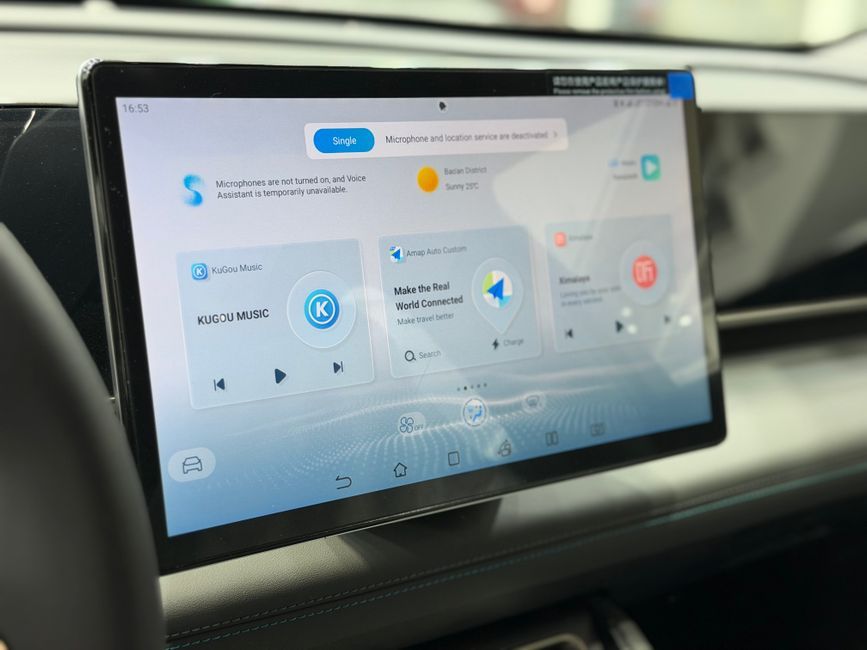
Stock photo for illustration only, not from the actual event
The continuous integration between modern automobiles and smartphones creates a pipeline for persistent behavioral tracking that far exceeds traditional digital surveillance. Automakers often hide behind dense terms of service agreements, underlining the urgent need for tighter regulatory oversight in the automotive software sector.
Nineteen of the 21 tested vehicles sent traffic to at least one external third party, while seven of the 30 apps handed over highly sensitive information—such as vehicle identification numbers (VIN), email addresses, phone numbers, and precise location coordinates—to advertising and tracking firms. Furthermore, pairing the companion app directly to the vehicle roughly doubled the user exposure to trackers.
When researchers shared these findings with the automakers, every manufacturer except Honda shifted the blame elsewhere, often pointing the finger back at consumers. Honda was the sole exception, responding by upgrading its data collection practices and instructing its vendor Amplitude to delete all acquired geolocation data.
Source: TechCrunch
Found something wrong in this article? Report an issue with this article
Comments
Leave a Comment