

3 Jellyfish Life Lessons: When to Pause, Shift, and Say No
Discover 3 valuable lessons from jellyfish on how to navigate life by relaxing at the right time, changing directions, and setting personal boundaries.
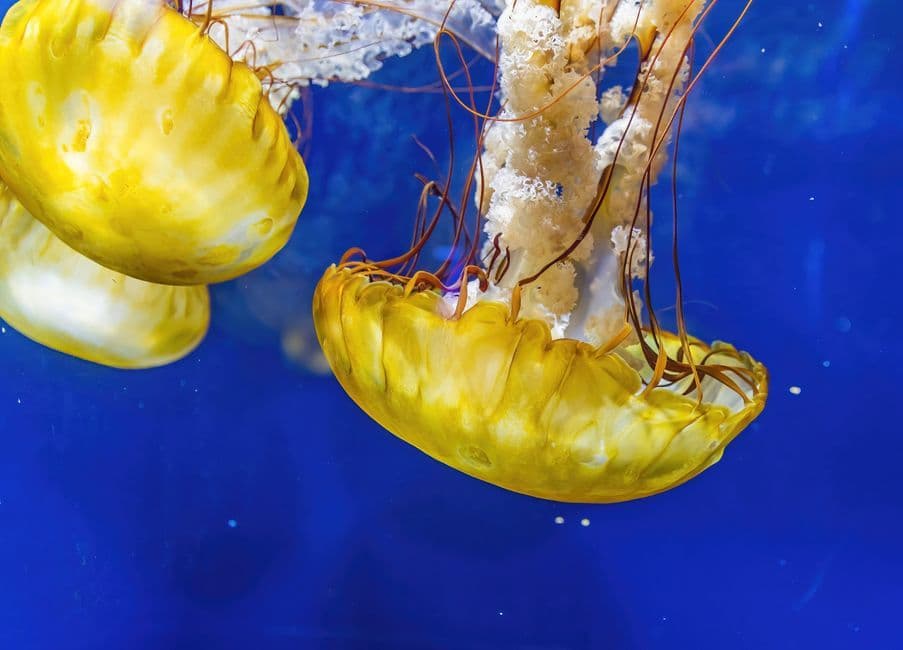
Stock photo for illustration only, not from the actual event
- Jellyfish do not just drift; they actively swim and steer their direction.
- Living like a jellyfish means keeping a slow pace and avoiding overcomplicating things.
- Changing life directions is acceptable when the current path is no longer suitable.
- Setting clear personal boundaries protects your time, feelings, and energy.
Jellyfish are often perceived as simple marine creatures drifting aimlessly with ocean currents, but they actually possess the ability to propel themselves and navigate using rhythmic pulsing or tiny cilia. Many species also carry venom for self-defense. These natural behaviors serve as a compelling metaphor for human life, illustrating that going with the flow does not mean abandoning all control, but rather knowing when to relax and when to exert effort to change direction.
Human life comes with daily pressures and responsibilities, yet individuals retain control over how they respond. Adopting the unhurried movement style of jellyfish does not mean standing still, but rather learning not to make every minor issue a major crisis. Cultivating a calmer state of mind involves practical everyday approaches such as:
- Accepting issues that are entirely beyond personal control.
- Identifying solvable problems and taking immediate action instead of engaging in repetitive worry.

Stock photo for illustration only, not from the actual event
Much like a jellyfish steering away from unfavorable waters, humans possess the unique capacity to observe their surroundings and alter their life paths. Despite this ability, many individuals remain stuck in unfulfilling jobs or relationships simply out of hope that things will magically improve. Recognizing when a situation is no longer viable and making the decision to pivot is a trainable skill that grows stronger with conscious practice and self-reflection.
Comparing human behavior to natural elements is a psychological technique that helps reduce abstract stress by grounding concepts into tangible imagery. The principle of establishing boundaries and accepting uncontrollable factors aligns directly with modern psychological frameworks regarding emotional resilience and energy management, which are crucial for preventing burnout in high-demand environments.
Another defining trait of certain jellyfish, such as the box jellyfish, is their potent defense mechanism against external threats, highlighting the necessity of personal boundaries. Human boundaries encompass personal space, time, emotional capacity, and professional workload. The primary obstacle preventing people from establishing these boundaries is the constant pressure to please others and say yes to every request out of fear of causing disappointment.
Declining unreasonable requests does not equate to being unkind; rather, it serves as a necessary indicator that personal limits have been reached. While kindness is a virtue, sacrificing one's own well-being leaves no room for personal authenticity. Ultimately, mastering the jellyfish lifestyle boils down to three core principles: knowing when to let go, when to alter course, and when to boldly draw the line on excessive obligations.
Source: Techsauce
Found something wrong in this article? Report an issue with this article
Comments
Leave a Comment