

Who wins and who loses after US bans foreign robots?
The government ban on foreign-made robots may hinder instead of help US robotics, raising concerns over industry growth.
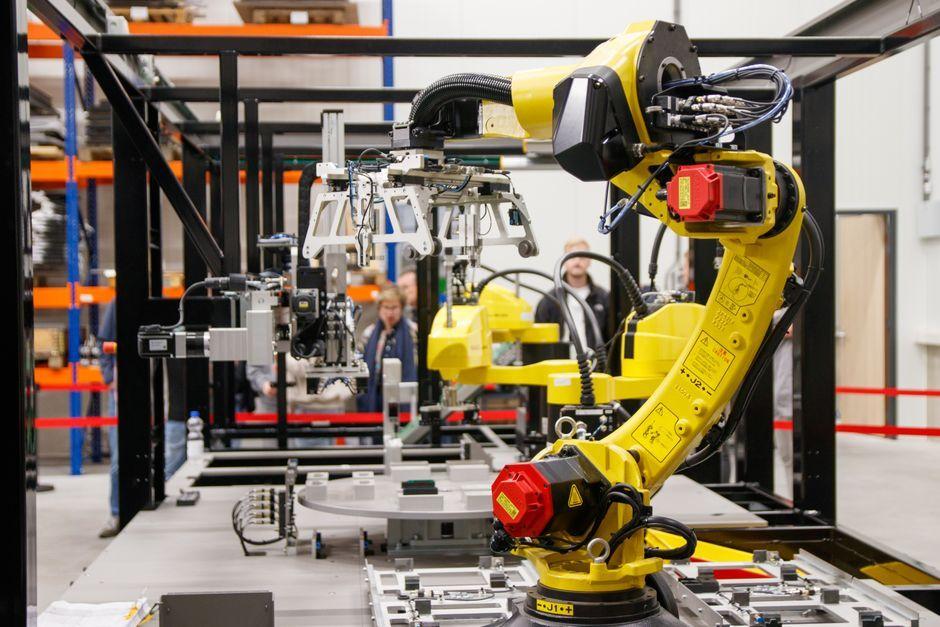
Stock photo for illustration only, not from the actual event
- The US government has implemented a ban on foreign-made robots.
- This policy may inadvertently hinder rather than help the domestic robotics sector.
- Restricting access to global technology could disrupt supply chains and raise costs.
As the United States government continues to implement measures aimed at protecting domestic technology sectors through restrictions on foreign goods, a major policy regarding the prohibition of foreign-manufactured robots has sparked widespread discussion about its true impact.
While the primary intent behind such government restrictions is often to bolster local manufacturing, secure supply chains, and encourage homegrown technological innovation, analysts and industry observers suggest the outcome might be entirely counterproductive.
In a deeply interconnected global economy, cutting off access to established foreign robotics and automation hardware can create immediate bottlenecks for US companies. Developing domestic alternatives takes time and capital, which could temporarily disadvantage American businesses that rely on these tools for operational efficiency.
The ultimate challenge lies in balancing national security and domestic manufacturing incentives with the harsh realities of global market competition. While certain local players might find short-term protection under the ban, the broader US robotics ecosystem could struggle if isolated from international advancements.
Source: Ars Technica
Found something wrong in this article? Report an issue with this article
Comments
Leave a Comment