

DIY Boom and Female Trades Rising as Office Jobs Fear AI
Female influencers and TaskHer platform report a surge in women embracing DIY and trade careers amidst skills shortages and AI career disruption fears.
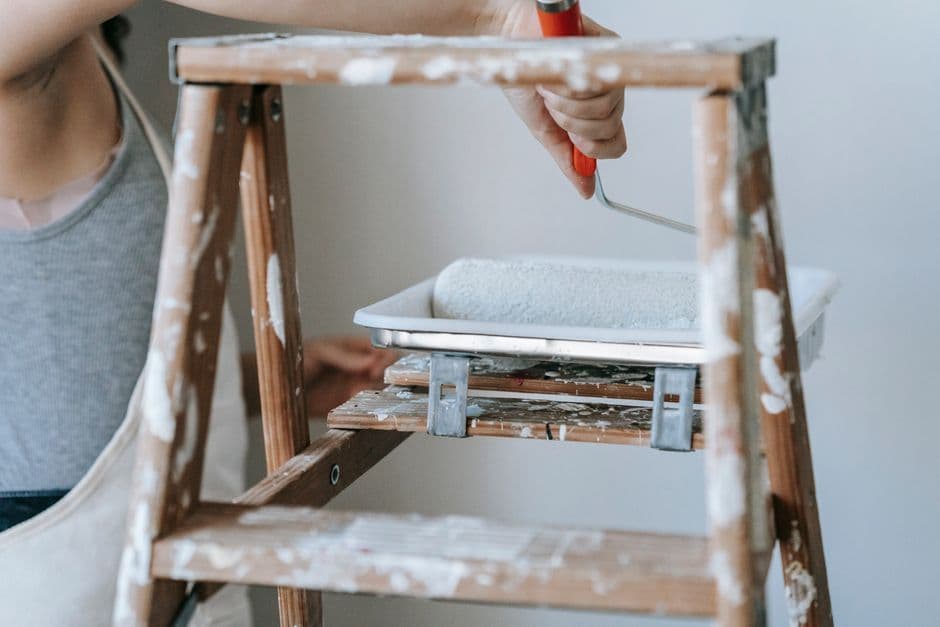
Stock photo for illustration only, not from the actual event
- DIY and female trade content is surging rapidly across social media feeds
- Around 75% of Gen Z women enjoy DIY, inspired by online creator videos
- Many women are career-shifting to trades for autonomy and AI-proof stability
- TaskHer platform reports enquiries doubling and sign-ups quadrupling this year
Social media feeds over the past decade have seen an explosion of home improvement content, ranging from quick reels on patching wall cracks to complex tutorials on building custom furniture from scratch. Female influencers are successfully inspiring a new generation of women to take home renovation projects into their own hands, while demand for professional tradeswomen continues to rise steadily across the industry.
DIY influencer Jasmine Gurney has documented an extensive list of strenuous home projects on Instagram, including tearing down partition walls, replacing flooring, building an outdoor workshop, constructing custom cabinetry, moving electrical sockets, and building a treehouse for her son. Eight months pregnant, the former marketer has been racing to complete a fitted wardrobe before her new baby arrives.
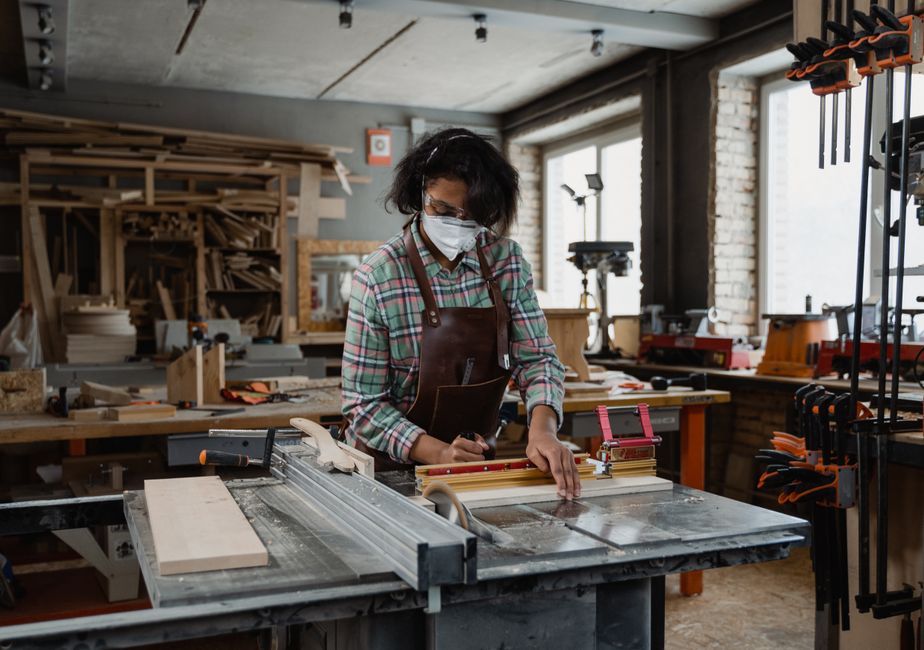
Stock photo for illustration only, not from the actual event
Jasmine noted that her online presence took off significantly during Covid-19 lockdowns when professional contractors were unavailable, forcing people to learn home repairs themselves. Although lockdowns have long ended, she believes demand for her content remains high due to a severe shortage of tradespeople and cost-of-living pressures squeezing household budgets.
Survey data reveals that roughly three-quarters of Gen Z women enjoy DIY projects, compared to 60% of all female respondents generally. Furthermore, 82% of Gen Z women stated that watching female creators tackle complex home improvements online had inspired them to take on more projects themselves.
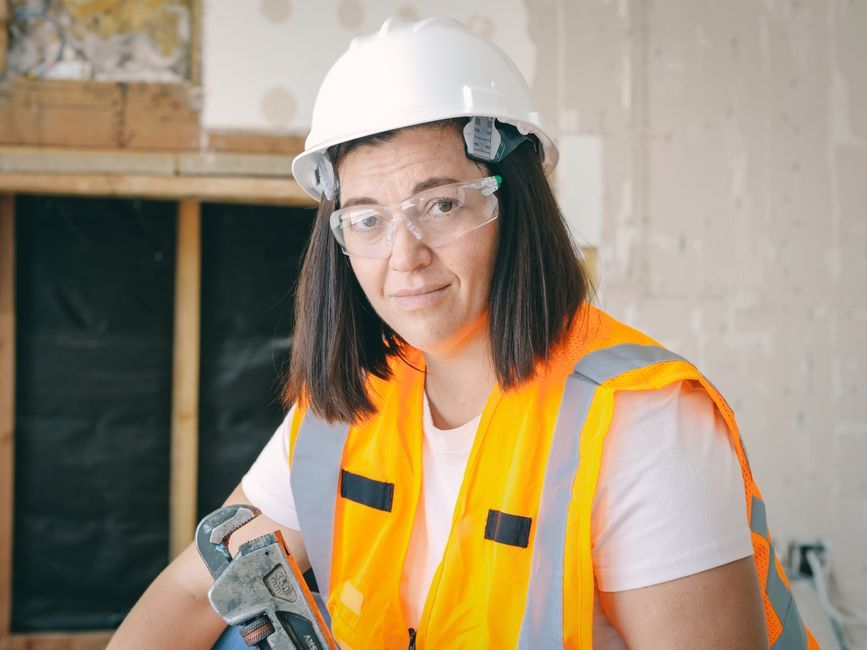
Stock photo for illustration only, not from the actual event
On the professional front, 28-year-old Bliss Cunneen walked away from her anthropology university course in 2020 to train as a plumber. She credits the explosion of online content with helping to fundamentally broaden societal attitudes toward women entering traditional trades.
"The more women who are seen online doing these sorts of things, the more normal it becomes."
Jasmine Gurney
The trend of women shifting away from traditional white-collar office jobs toward skilled blue-collar trades highlights a notable shift in the labor market. Beyond economic pressures and soaring contractor costs, growing anxieties over artificial intelligence disrupting desk jobs are pushing professionals to seek hands-on, tangible skills that AI cannot easily replicate or automate.
Meanwhile, Anna Moynihan established TaskHer, a platform connecting female tradespeople with customers, after experiencing frustration when renovation contractors addressed her husband rather than her. Enquiries on the platform have more than doubled this year compared to the previous year, while the number of registered tradeswomen has nearly quadrupled.
Anna anecdotally noted an influx of women leaving corporate white-collar roles to join her platform, including three Oxford University-educated tradeswomen who signed up within a single month. While women still account for only about 4% of the UK's construction workforce according to the Federation of Master Builders, apprenticeship data shows encouraging growth with one in ten starters being female, up from previous years.
Source: BBC Business
Found something wrong in this article? Report an issue with this article
Comments
Leave a Comment