

UK researchers use AI to build digital natural history museum
UK researchers are using AI and robots to digitize 70 million natural history specimens from 100 institutions, speeding up the process to a decade.
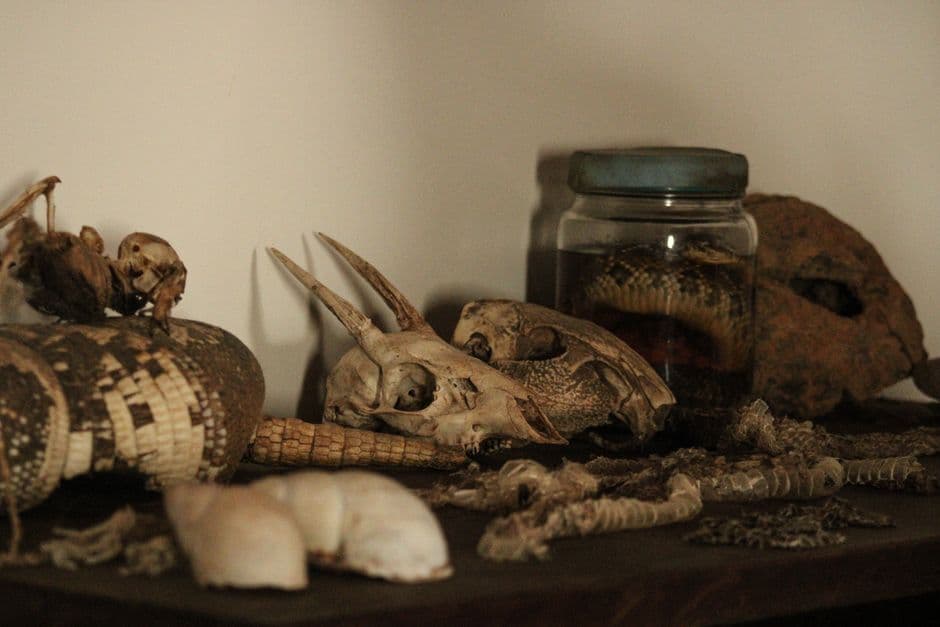
Stock photo for illustration only, not from the actual event
- UK researchers are utilizing AI and robots to create a vast digital museum of 70 million specimens.
- The DiSSCo UK project brings together 100 institutions to open up access to plants, animals, and fossils.
- Digitization speeds are accelerated from hundreds of years down to a single decade.
- The resource enables scientists to track environmental changes and predict future climate impacts.
Researchers across the United Kingdom are harnessing artificial intelligence and robotics to construct an extensive digital archive containing millions of natural history specimens sourced from institutions nationwide, a move experts say will dramatically accelerate our comprehension of the natural world.
Ultimately, the public will gain the ability to view approximately 70 million animals, plants, fossils, and geological rocks directly from their smartphones and personal computers. By deploying robots and AI systems to scan and analyze specimens—some of which were gathered centuries ago—the project aims to compress a digitization timeline that would traditionally span hundreds of years into a mere decade.
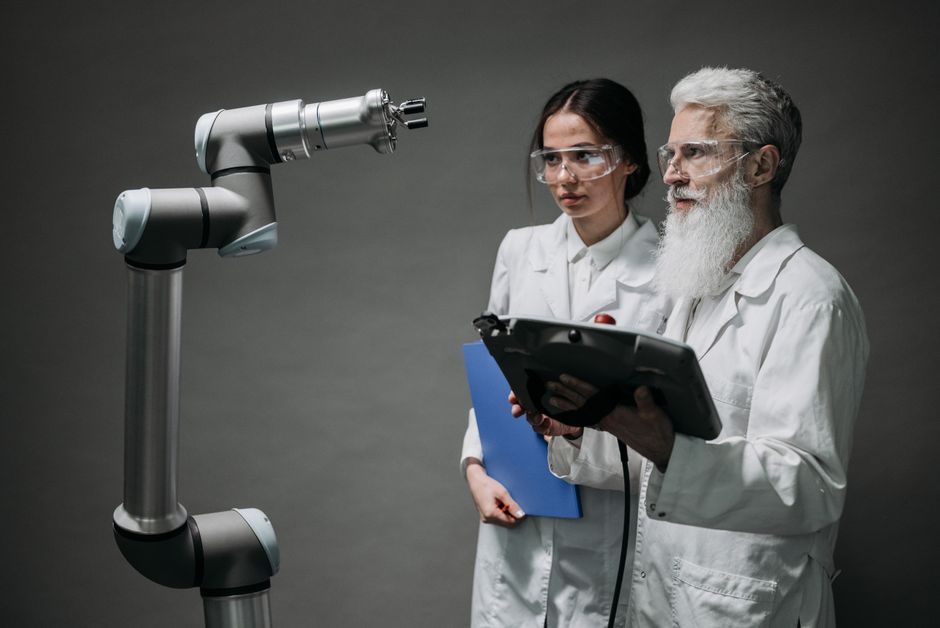
Stock photo for illustration only, not from the actual event
Dr. Joanna Dunster, associate director of the Arts and Humanities Research Council—part of the UK Research and Innovation Agency funding the initiative—emphasizes that the digital resource will be openly accessible for everyday citizens to explore and enjoy alongside academic researchers.
"We need to make these collections openly accessible instead of sitting where they can rarely be reached."
Dr. Joanna Dunster
While a fraction of these specimens is already searchable on existing databases, they largely represent major organizations such as the Natural History Museum and the Royal Botanic Gardens, Kew. Fresh funding will now unlock drawers and cabinets across numerous British institutions to incorporate millions more organisms and historical artifacts.
The Distributed System of Scientific Collections (DiSSCo UK) represents a monumental shift in unifying fragmented natural science heritage into a cohesive digital ecosystem. Utilizing AI to interpret handwritten historical tags from centuries past not only saves invaluable man-hours but also unlocks crucial baseline data for tracking biodiversity loss and ecological shifts.
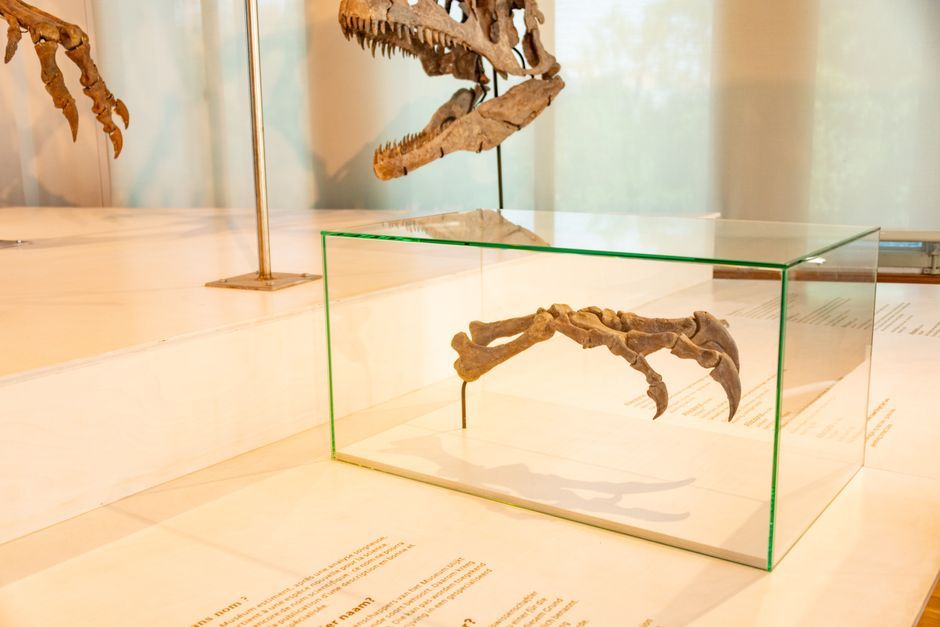
Stock photo for illustration only, not from the actual event
A network of one hundred museums, botanic gardens, universities, and organizations form the backbone of this collaborative effort. Initial scanning phases in Wales and Scotland will bypass large megafauna, focusing instead on smaller organisms like beetles, butterflies, moths, flies, and pressed ferns, which serve as sensitive indicators of landscape transformation.
Source: BBC Science & Environment
Found something wrong in this article? Report an issue with this article
Comments
Leave a Comment