

Orionid Meteor Shower 2026: Halley Comet Debris Peak
The annual Orionid meteor shower peaks overnight on October 21-22, 2026, offering 10 to 20 meteors per hour from Halley's Comet debris trail.
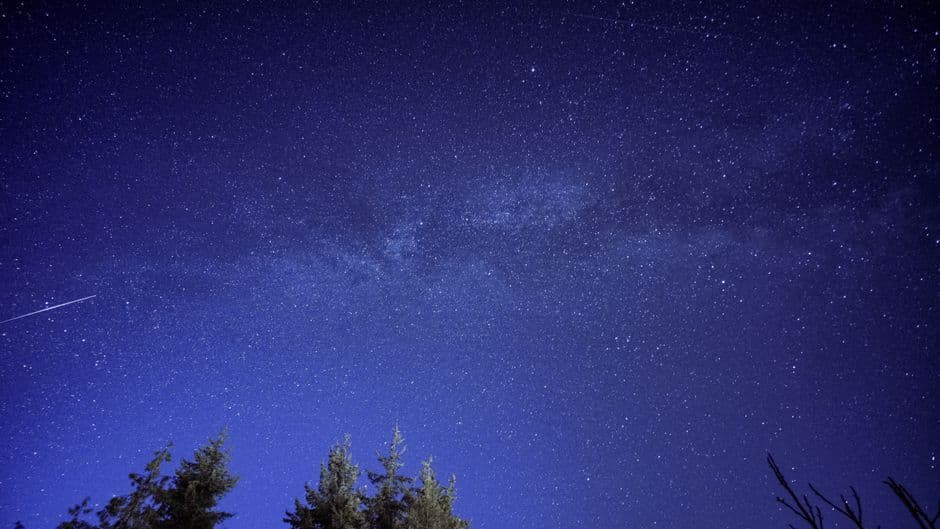
Stock photo for illustration only, not from the actual event
- The Orionid meteor shower is active from October 2 until November 7, 2026.
- The peak viewing period occurs overnight from October 21 to October 22.
- Stargazers can expect to spot around 10 to 20 meteors per hour under clear skies.
- Earth passes through the debris left behind by Halley's Comet to create this display.
Stargazers and astronomy enthusiasts are preparing for one of the most anticipated celestial events of the year as the Orionid meteor shower returns to light up the night sky, according to a report by BBC Weather. The annual phenomenon occurs as planet Earth travels directly through a trail of dust and cosmic debris left in space by the famous Halley's Comet.
The meteor shower remains active over a multi-week period spanning from October 2 through November 7, 2026, with activity culminating intensely overnight from October 21 to October 22. Astronomers and meteor experts advise that the optimal viewing window falls between midnight and dawn when ambient light pollution is lowest and the night sky reaches maximum darkness.
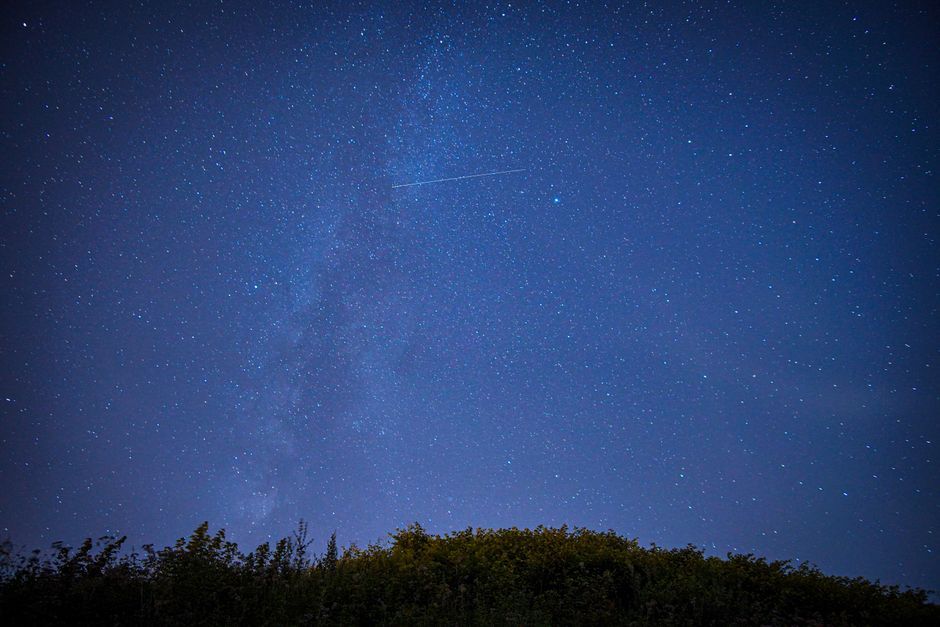
Stock photo for illustration only, not from the actual event
Tiny particles originating from the historic comet plunge into the Earth's upper atmosphere at extreme speeds of approximately 41 miles per second. This hyper-velocity atmospheric entry causes the particles to heat up rapidly and vaporize, producing bright streaks of light across the night sky. The Orionids are distinguished by their exceptional speed, frequently leaving glowing persistent trains that remain visible to observers for several seconds.
Halley's Comet itself stands as one of the most celebrated comets in our Solar System, possessing a roughly 76-year orbital period around the Sun and having been last viewed from Earth back in 1986. While the parent comet serves as an infrequent visitor that will not return to our skies until 2061, Earth intersects its orbital dust trail twice annually, triggering both the Eta Aquariid meteor shower in May and the Orionids each October.
Observing annual meteor showers like the Orionids provides valuable practical data for astronomers studying the dispersion of dust particles and orbital decay trails of periodic comets. By tracking meteor rates and particle mass distribution during these Earth crossings, researchers gain insight into the long-term evolution of comet debris streams without needing to intercept the parent bodies directly in deep space.
Viewing prospects across the United Kingdom vary by region, with southern and eastern parts of England favored by longer clear spells, while Wales, the Midlands, and Northern England face potential cloud cover and passing rain from a slow-moving weather front. Scotland and Northern Ireland anticipate a mix of clear intervals, patchy clouds, and scattered showers. Additionally, a waxing gibbous Moon will illuminate the night sky during the peak, which may wash out fainter meteors, though brighter streaks will remain clearly visible from dark observation sites.
Observers hoping to catch the display are advised to seek out dark locations situated far away from artificial street lighting with an unobstructed panoramic view of the sky. Experts recommend allowing 15 to 20 minutes for human eyes to dark-adapt fully, noting that telescopes and binoculars are unnecessary since the meteor shower is best appreciated using the unaided naked eye.
Source: BBC Science & Environment
Found something wrong in this article? Report an issue with this article
Comments
Leave a Comment