

Dinosaur-killing impact crater might have been teeming with life
New findings suggest the Chicxulub impact crater maintained hot, nutrient-rich water for over 5 million years, sustaining ancient life.
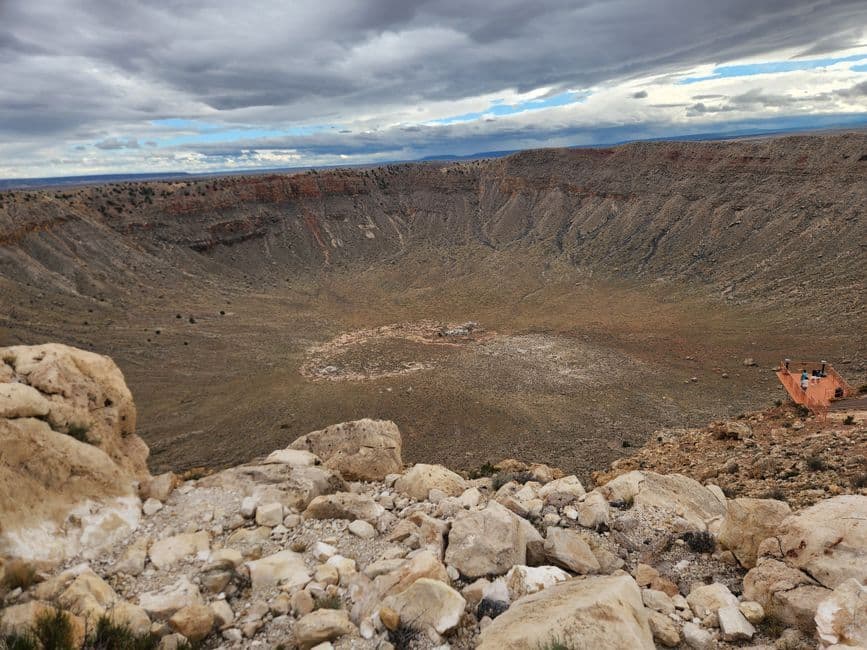
Stock photo for illustration only, not from the actual event
- Chicxulub crater may have harbored abundant life
- Hot, nutrient-rich water lasted over 5 million years
- Impact created a massive subsurface ecosystem
Recent scientific insights regarding the Chicxulub impact crater—the site left by the asteroid strike that wiped out the dinosaurs—reveal that this catastrophic zone may have once teemed with biological activity, despite the surface devastation caused by the collision.
Researchers indicate that the immense thermal energy generated by the impact forged a massive hydrothermal system. This system allowed heated water laden with essential minerals and nutrients to circulate continuously deep within the fractured crater structure.
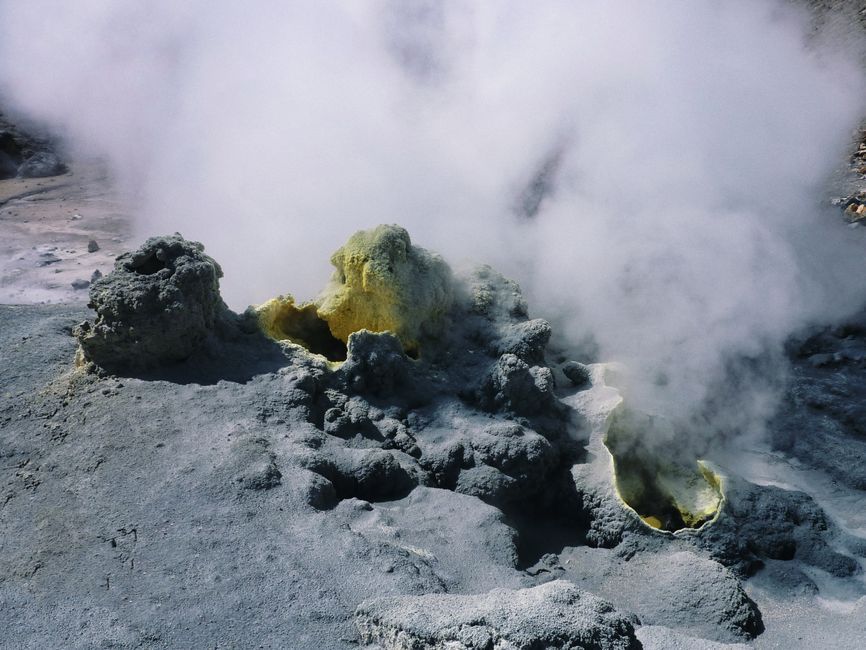
Stock photo for illustration only, not from the actual event
Such warm, nutrient-dense conditions are estimated to have persisted for well over 5 million years following the cataclysmic impact, providing a sufficiently long timeframe for microbial communities and other primitive organisms to thrive in subterranean habitats.
This discovery reshapes our scientific understanding of mass extinction events, shifting the narrative from total destruction to the creation of profound subsurface hydrothermal oases. Similar to modern-day deep-sea hydrothermal vents, these impact-generated thermal zones could have acted as crucial refuges for life during Earth's darkest ecological crises.
While the surface world suffered through prolonged darkness and harsh conditions due to atmospheric debris, the deep underground environment of the impact crater functioned as a biological sanctuary, supporting survival and adaptation during a tumultuous epoch in Earth's history.
Source: Ars Technica
Found something wrong in this article? Report an issue with this article
Comments
Leave a Comment