

Le Corbusier's Plan Voisin and Chtcheglov's Paris Drift
Comparing Le Corbusier's 1925 orderly urban plan for Paris with Ivan Chtcheglov's revolutionary philosophy of wandering.
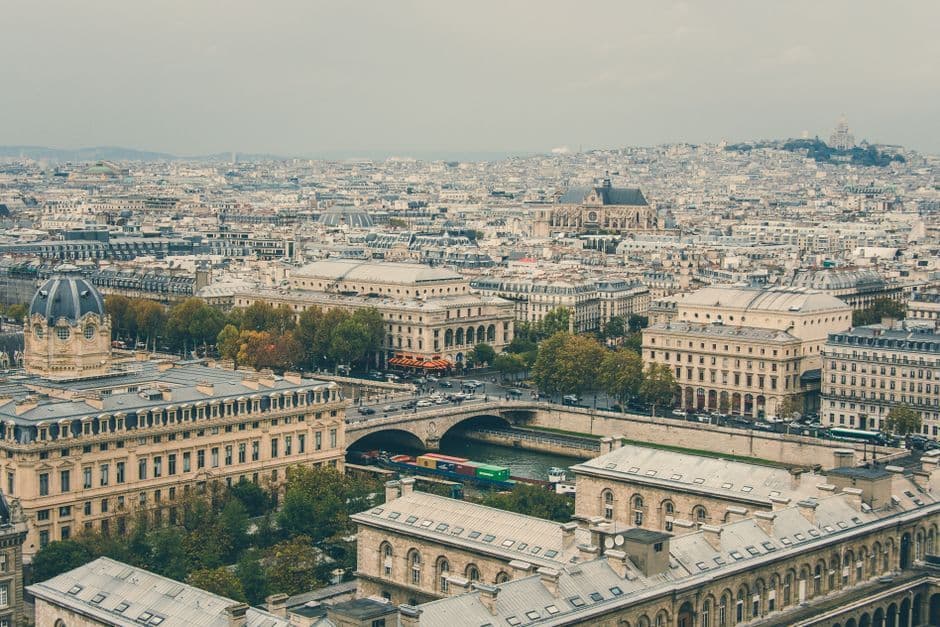
Stock photo for illustration only, not from the actual event
- Plan Voisin proposed in 1925 to reorganize Paris into an orderly urban system.
- Chtcheglov criticized modern architecture for destroying joy and passion.
- The dérive concept emphasizes wandering through streets guided by mood and chance.
- Hyper-optimized city planning leaves little room for unexpected urban discoveries.
The philosophical battle over how cities should function often comes down to a clash between rigid organization and spontaneous human experience, best illustrated through two contrasting visions of Paris.
Le Corbusier’s Plan Voisin, introduced in 1925, imagined Paris as a highly structured urban layout. It proposed clearing large parts of the Marais district to build eighteen cruciform office towers alongside separate residential zones.
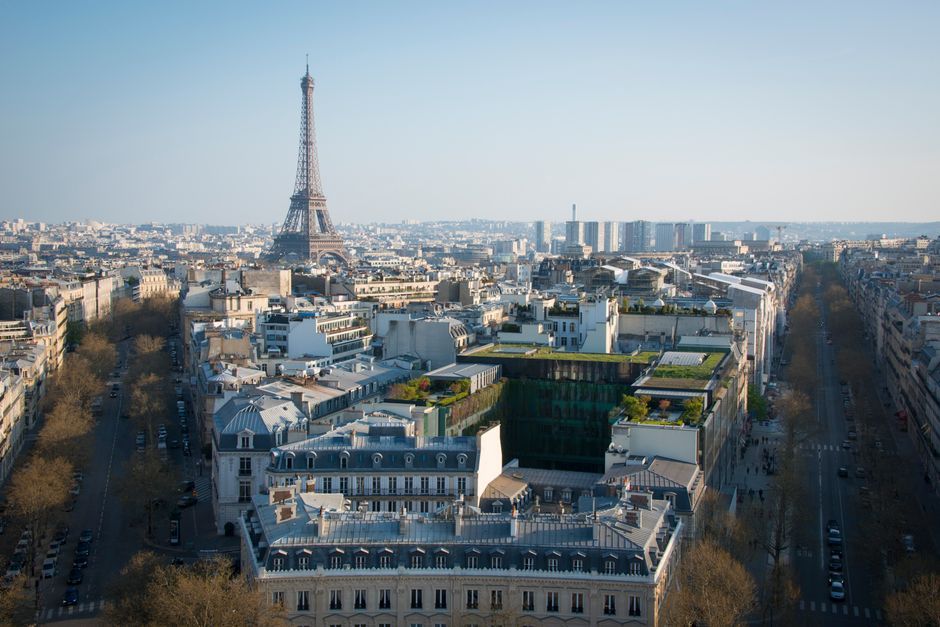
Stock photo for illustration only, not from the actual event
The 1925 proposal was designed to combat severe urban congestion and poor sanitary conditions while preserving historical monuments like the Louvre and Palais-Royal. Although the project was never built, its principles laid the groundwork for modernist urban planning paradigms like the Ville Radieuse.
The friction between Le Corbusier and Chtcheglov highlights a fundamental tension in urban design: whether a city should be treated as an optimized machine for living or as an organic canvas for psychological exploration and human emotion.
Almost three decades later in 1953, French philosopher Ivan Chtcheglov wrote his Formulary for a New Urbanism under the pseudonym Gilles Ivain. He identified boredom as the urban crisis of the era and criticized modernist buildings as suitable only for factories or hospitals.
"The main activity of the inhabitants will be CONTINUOUS DRIFTING."
Ivan Chtcheglov
Instead of strict zoning, Chtcheglov dreamed of cities divided by emotional zones, such as a Bizarre Quarter, Happy Quarter, and Sinister Quarter, where architecture actively responds to the changing moods of inhabitants.
Source: designboom
Found something wrong in this article? Report an issue with this article
Comments
Leave a Comment