

AI helps farmers predict exact fruit harvest timing
AI tools, tractor-mounted cameras, and budget drones are helping farmers in the US and UK analyze crop ripeness and optimize harvest dates.
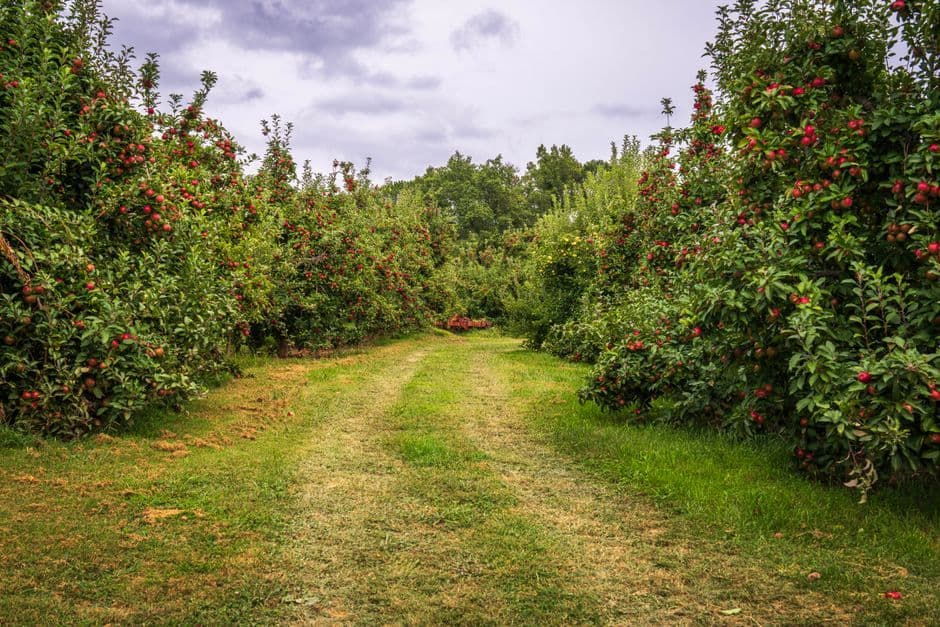
Stock photo for illustration only, not from the actual event
- AI and camera technologies help farmers estimate crop yields and harvest dates
- Okanagan Specialty Fruits uses cameras from Vivid Machines mounted on tractors
- UK-based FruitCast analyzes footage from drones and smartphones for forecasts
- Farmers and experts view AI as an optimization tool while human decisions remain vital
Determining the exact moment to harvest is a critical decision for farmers, especially when unpredictable weather disrupts plans. Last year in Washington State, when the apple harvest season arrived, the fruit was ripe and pickers were ready, but adverse weather conditions intervened. Carter's company manages over 1,250 acres of apple orchards in Washington, producing fruit primarily for sliced apple portions supplied to hotels and schools, and continues investing in technologies like genetically engineered apples that resist browning after being cut.
However, planning a harvest remains complex because fruit prices—particularly high-value berries like strawberries and blueberries—can fluctuate wildly. Picking the wrong date means hiring unnecessary seasonal workers and missing out on peak profits. To tackle this, Okanagan Specialty Fruits has been experimenting with cameras from the Canadian firm Vivid Machines. Mounted on top of tractors, these cameras capture footage of apple trees as farm vehicles drive past, allowing AI to identify buds, flowers, and fruit.
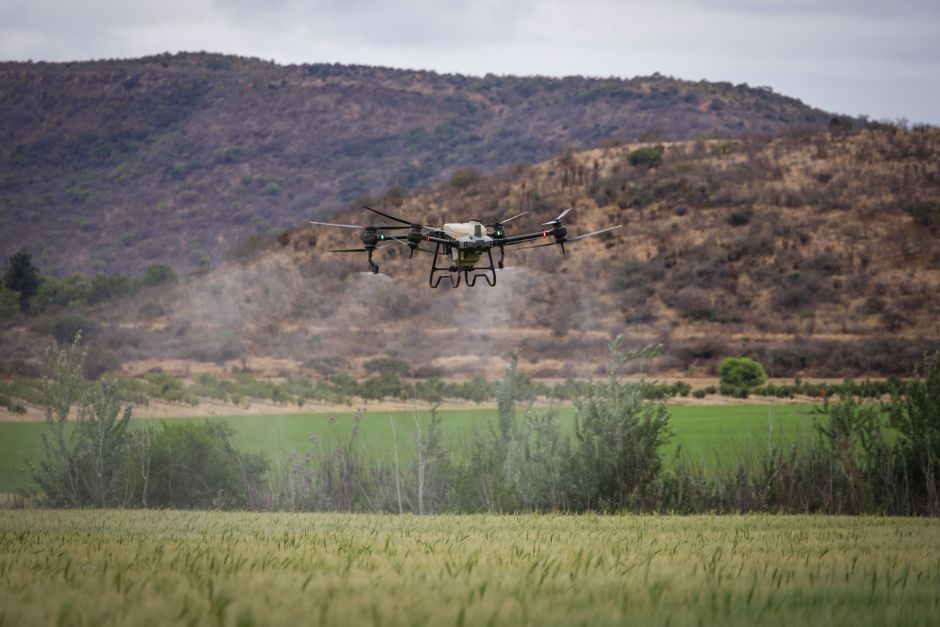
Stock photo for illustration only, not from the actual event
According to Carter, Vivid's system successfully provides crop estimates and harvest dates, noting its effectiveness in spotting tiny flower buds that are difficult to see with the naked eye. While apples offer a generous three-week harvest window for varieties like Granny Smiths, other fruits provide a much narrower timeframe.
"If a strawberry crop is on, you have to harvest it – otherwise your entire crop gets diseased very, very quickly."
Raymond Martin, co-founder and chief operating officer of FruitCast
Raymond Martin, co-founder and chief operating officer of FruitCast, a UK company offering harvest forecasts, explains that their system analyzes ripening fruit footage captured via drones, smartphones carried by individuals walking fields, or cameras mounted on farm vehicles. The forecasting model incorporates local weather and irrigation conditions to refine its predictions.
The integration of artificial intelligence and advanced image analysis into agriculture illustrates a growing effort to mitigate agricultural risks driven by global climate volatility. Yet, a primary hurdle for widespread adoption remains data privacy, as farmers are often hesitant to share commercially sensitive information regarding their irrigation and fertilization strategies with third-party AI platforms.
FruitCast reports that its forecasts land within 10% of actual picked volume when calculated one week out (90% accurate) and within 17% at three weeks out (83% accurate), guaranteeing an error rate of less than 20%. Driscoll's, a California-headquartered fruit seller with extensive operations in the UK, also confirmed that independent UK growers have utilized FruitCast's technology.
Concurrently, researchers are exploring high-resolution ripeness analysis techniques. Yasaman Ghasempour is developing millimetre wave-based ripeness detectors tested by local market staff in New Jersey, while Jing Zhang from NC State University has worked on automated blueberry counting systems using smartphone imagery. Additionally, Kevin Wang at the University of Florida developed a crop-counting tool that processes imagery captured by $100 (£74) drones.
Despite these technological advances, Ben Palone, senior director of automation and commercialisation at Western Growers, notes that while harvest forecasts serve as a useful optimization tool, growers still prefer human oversight for critical decisions, emphasizing that farmers like to have people in the mix when determining harvest schedules.
Source: BBC Science & Environment
Found something wrong in this article? Report an issue with this article
Comments
Leave a Comment