

BBC should avoid overspending on Suits, UK MPs say
UK cross-party committee urges BBC to cut spending on foreign shows like Suits and Schitt's Creek while reforming the TV licence fee model.
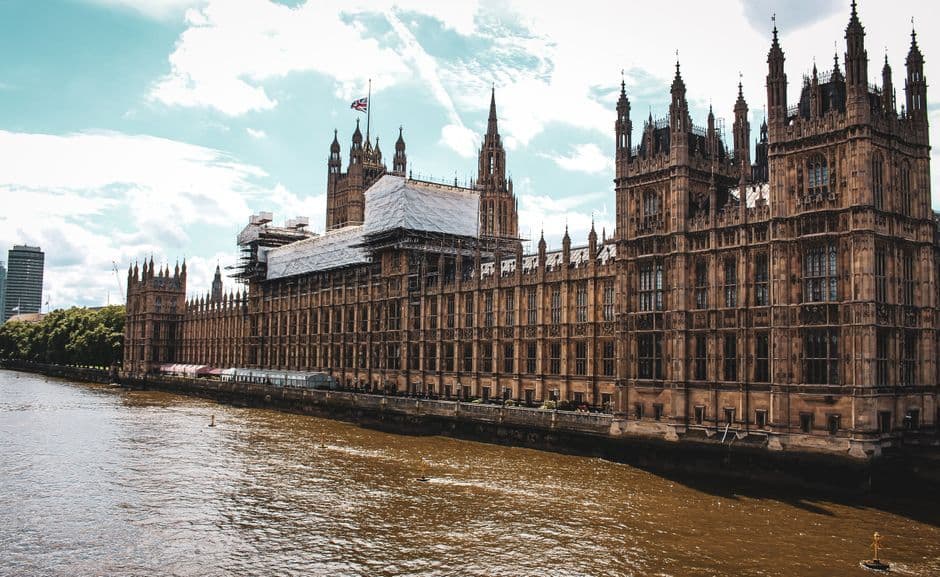
Stock photo for illustration only, not from the actual event
- UK MPs advise BBC to reduce spending on acquired international shows like Suits and Schitt's Creek.
- Proposes reforming the TV licence fee so it is no longer tied to live TV or specific devices.
- Recommends government legislation to mandate a dedicated BBC button on smart TV remotes.
- Calls for the removal of political appointments from the BBC board to enhance governance.
A comprehensive report on the funding and future of the BBC, published by the House of Commons cross-party culture and media committee, has highlighted that the broadcaster should exercise caution regarding its spending on imported television programs such as Suits and Schitt's Creek. These international shows were acquired for UK television channels and the iPlayer streaming platform after their original contracts with other networks or streaming services expired.
Members of Parliament argued that such acquisitions fail to deliver proper value for money for individuals who pay the mandatory licence fee. In response, the BBC stated that less than 5 percent of its content budget is allocated to purchasing external shows, pointing out that this expenditure remains lower than that of competing broadcasters and serves as a cost-effective method to deliver premium content that eventually attracts audiences to homegrown productions.
Stock photo for illustration only, not from the actual event
The committee released its findings as the government evaluates potential frameworks for the upcoming BBC Royal Charter, which will dictate the corporation's governance, regulation, and funding model from 2028 onward. Committee chair Dame Caroline Dinenage described the release as arriving at a pivotal moment for the public broadcaster amidst shifting media consumption habits, decreasing revenue streams, and ongoing discussions with government officials.
"Like a much-loved family member, we may criticise and grumble about the BBC but we would miss it enormously if it were no longer here for us."
Dame Caroline Dinenage, Committee Chair
Contextual Analysis: The ongoing debate over the BBC's financial structure illustrates the broader struggle public service broadcasters face globally in the digital age. As subscription streaming services capture younger demographics and shift viewing habits away from traditional television sets, legacy funding models must evolve to remain financially viable while maintaining public trust and universal accessibility.
Furthermore, the parliamentary report recommended restructuring the licence fee so it decouples from live television consumption and specific hardware devices like standard television sets. Additional proposals included expanding iPlayer to host content from alternative public service broadcasters like Channel 4, urging the government to mandate a dedicated BBC remote control button, and pressing platforms like YouTube to increase the visibility of British public service content.
Source: BBC Politics
Found something wrong in this article? Report an issue with this article
Comments
Leave a Comment