

Children Dying in Remote Indian Tribal Heartland: Outbreak
Children die in remote Balaghat, India, amid disease outbreaks, difficult terrain, traditional beliefs, and delayed medical care.
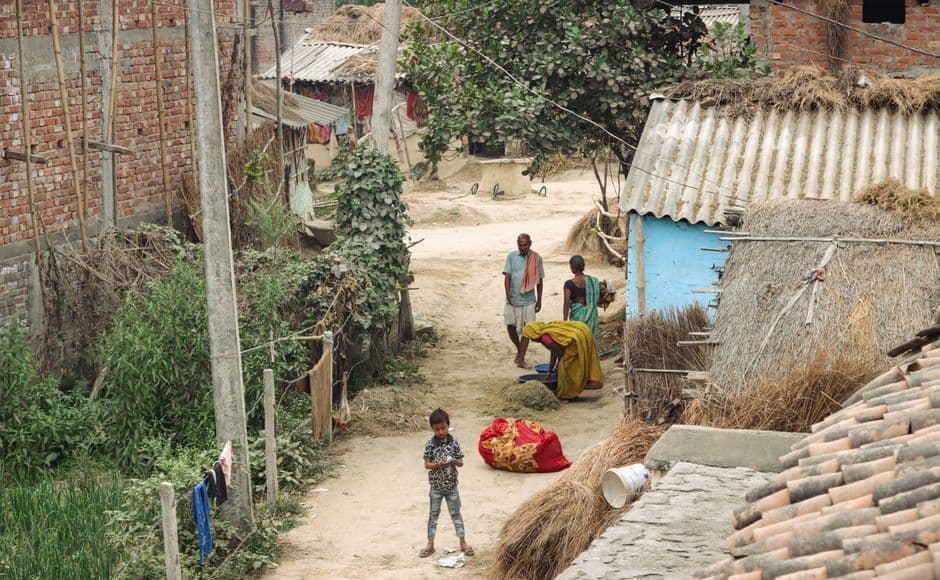
Stock photo for illustration only, not from the actual event
- Children have died in remote villages across the Balaghat district in Madhya Pradesh, India.
- Officials attribute the fatalities primarily to measles and malaria, compounded by malnutrition.
- The nearest state hospital is roughly 70km away, made harder to reach by monsoon mud.
- Local beliefs regarding a disease goddess have led some families to delay medical treatment.
At around three o'clock one morning in May, three-year-old Bamita Markam began experiencing severe convulsions. She had suffered from a high fever and angry red sores for days. Her mother, Koushila, initially took her to a doctor who prescribed an ointment. Although Bamita seemed to recover temporarily, her illness returned, prompting the family to consult a local faith healer in Matla village who provided syrups and tablets to no avail. By dawn, Bamita had passed away.
Government officials have attributed the deaths mainly to measles and malaria, possibly worsened by malnutrition and delayed medical interventions. They estimate that roughly eight to 10 deaths were linked to measles and another 10 to malaria, with several children battling multiple infections simultaneously.
Sanjay Uikey, who has represented the area since 2013, stated that he had never witnessed an outbreak of this scale, noting that neither he nor his father, a two-term lawmaker, had ever seen so many children perish in such a short timeframe. However, disease is only part of the challenge; in the remote, forested terrain of Balaghat where a Maoist insurgency previously took root, simply reaching a health centre remains a formidable obstacle.
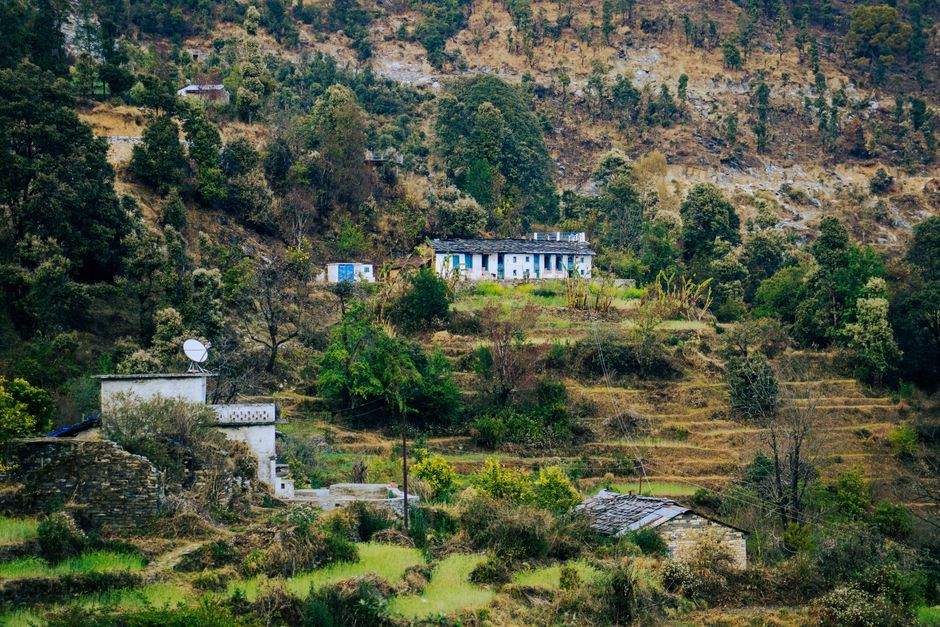
Stock photo for illustration only, not from the actual event
"If I was able to take her to hospital she might have lived"
Koushila, mother of deceased child Bamita
The nearest state hospital, a 100-bed facility located in Birsa, sits approximately 70 kilometres away. For families lacking vehicles, getting there involves traversing slippery mud tracks, relying on makeshift bamboo stretchers or motorcycles, and forfeiting a full day's wages. When Bamita fell critically ill during heavy rainfall, the impassable tracks and lack of transport prevented her family from taking her to the hospital.
The unfolding crisis in the Balaghat district highlights systemic healthcare accessibility issues faced by marginalized tribal communities in remote regions of India. Beyond physical infrastructure barriers such as unpaved roads during monsoons, cultural beliefs and traditional healing practices present distinct hurdles. Addressing such health emergencies requires a delicate balance of proactive medical outreach and culturally sensitive community engagement by public health authorities.
For certain Baiga families, specific illnesses are interpreted as the arrival of a disease goddess, requiring a multi-day ritual involving neem leaves and cool water rather than immediate medical intervention. As the alarming scale of the outbreak became clear, local leaders and medical officers intervened, in some cases forcibly entering homes to transfer critically ill children to hospitals where they ultimately recovered.
Source: BBC Health
Found something wrong in this article? Report an issue with this article
Comments
Leave a Comment