

Rare Bog Grass Moth discovered in North Wales
Conservationists record the rare Bog Grass Moth for the first time at Cors Geirch National Nature Reserve in Gwynedd, Wales.
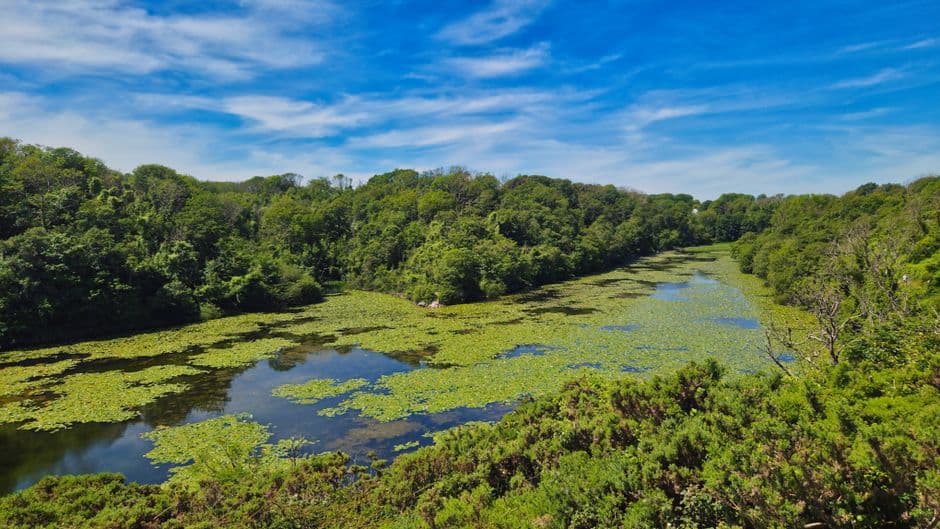
Stock photo for illustration only, not from the actual event
- Rare Bog Grass Moth recorded for the first time in North Wales
- Survey collects 446 moths across 91 species in a single night
- Cors Geirch wetland provides essential larval food sources
A rare species of moth has been discovered in north Wales for the first time, marking a significant milestone for local conservation efforts in the region.
The Bog Grass Moth was located at Cors Geirch National Nature Reserve on the Llŷn Peninsula in Gwynedd. While exact population figures across the UK remain unknown, these insects have historically been recorded in only a small number of English counties such as Dorset.
The fen site is monitored by Natur am Byth's Llŷn and Ynys Môn project, which focuses on protecting north Wales' most vulnerable species. During a recent field survey, experts set up moth traps and successfully gathered 446 moths consisting of 91 distinct species in just one night, including 19 Bog Grass Moths.
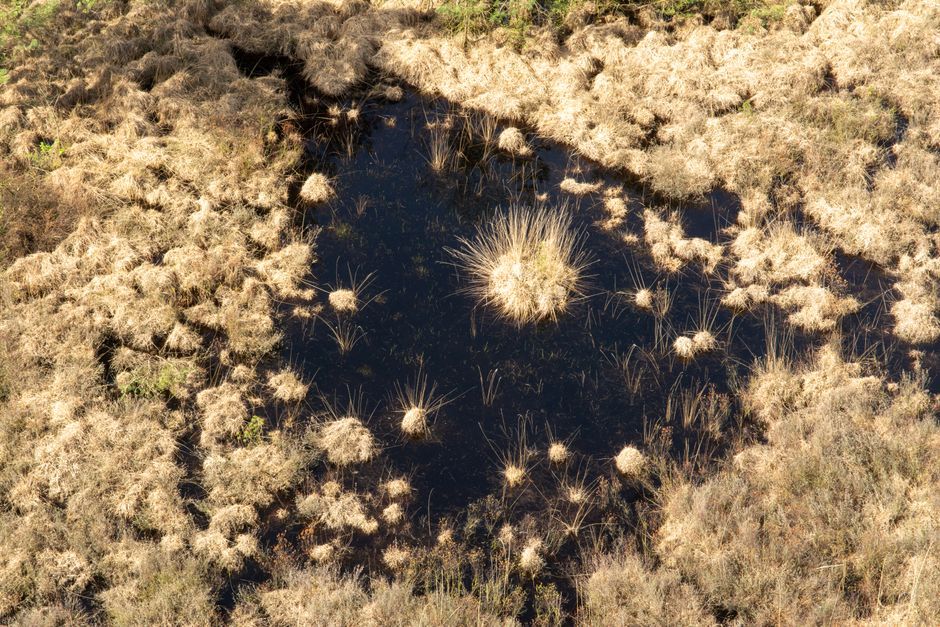
Stock photo for illustration only, not from the actual event
Natural Resources Wales explained that the local habitat supports the growth of wet sedges, which serve as the exclusive food source for the larvae of the Bog Grass Moth. Other rare invertebrates documented at the location included the Six Spotted Crane Fly and the Black Nightrunner Ground Beetle.
"While many fens suffered over the hot, dry summer, not only did we find healthy numbers of the Black Nightrunner Ground Beetle and Six Spotted Crane Fly at Cors Geirch this year, but we also discovered this wonderful and rare species of moth."
Clare Sampson, RSPB Cymru
This discovery highlights the ecological importance of peatlands in the UK. With approximately 80% of British peatlands having been lost or damaged, maintaining healthy wetland ecosystems is critical not only for preserving rare wildlife habitats but also for managing the country's largest natural carbon stores.
Clare Sampson, project manager for RSPB Cymru, emphasized that ongoing management of these vital fen sites ensures that future generations can continue exploring and making new environmental discoveries.
Source: BBC Science & Environment
Found something wrong in this article? Report an issue with this article
Comments
Leave a Comment