

Swiss glaciers suffer disastrous ice loss in 2026
New 2026 data shows Swiss glaciers lost 5.5% of ice due to intense summer heatwaves, threatening water supplies and transport.
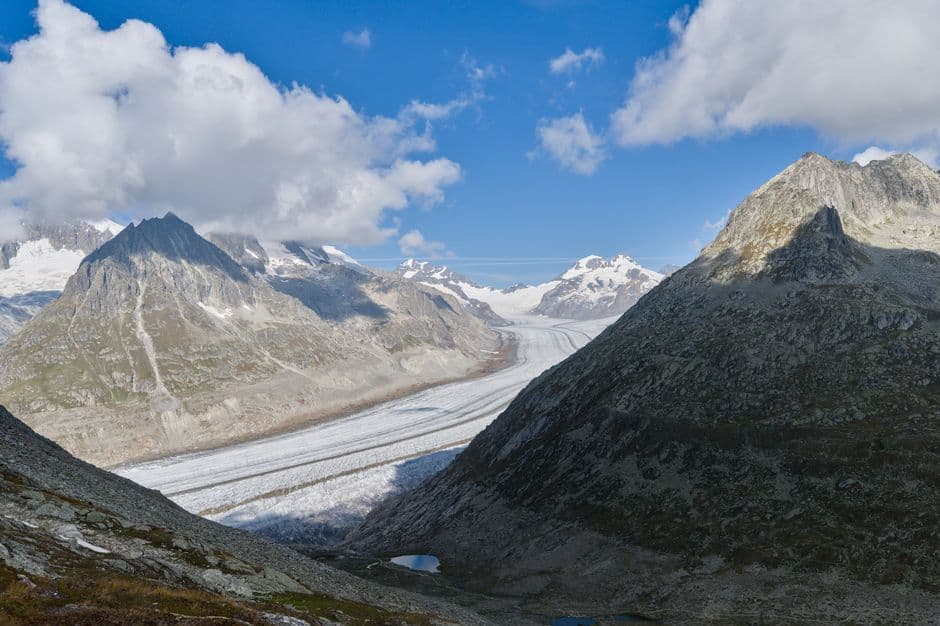
Stock photo for illustration only, not from the actual event
- Swiss glaciers suffered a near-record loss of 5.5% ice in 2026
- Early summer heatwaves melted protective snow cover rapidly
- The Rhine River dropped to record lows affecting shipping routes
- Scientists stress aggressive carbon cuts can still save global ice
Swiss glaciers have experienced a devastating reduction in ice mass during 2026, driven primarily by intense summer heatwaves sweeping across Alpine peaks. Researchers warn that this rapid pace of melting poses a significant long-term threat to regional water supplies utilized for agricultural irrigation, hydroelectric power generation, and transportation networks in the coming decades.
While shrinking glaciers are a known consequence of a warming climate driven by fossil fuel emissions, the sheer velocity of the recent melt has alarmed glaciologists. Historically, losing 2% of ice in a single year was categorized as extreme, but this year has witnessed an estimated 5.5% disappearance of the total volume.
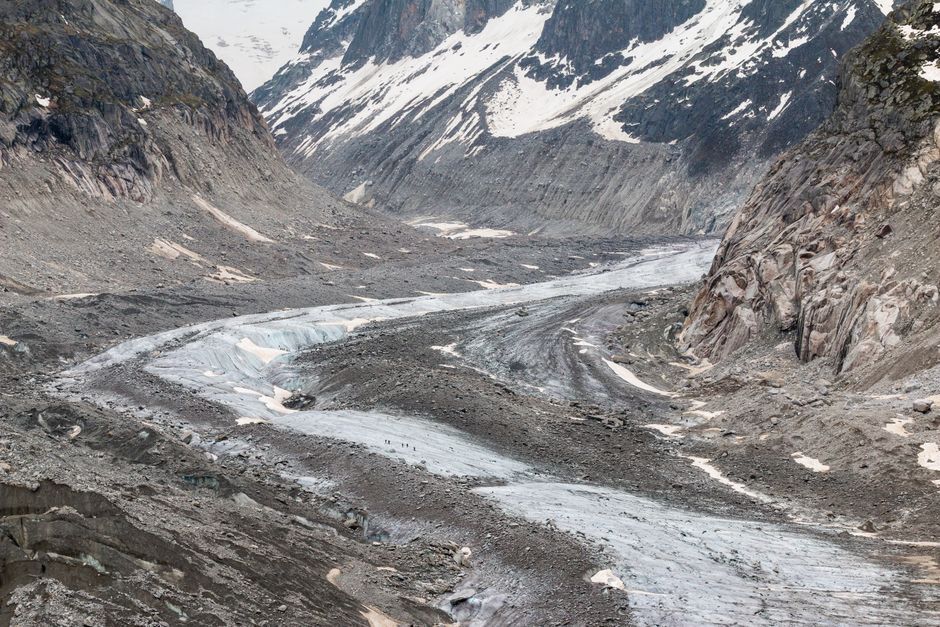
Stock photo for illustration only, not from the actual event
The crisis began after a mild winter left glaciers blanketed with less snow than usual. Mild temperatures and fierce heatwaves in May and June caused this thin snow cover to vanish rapidly, exposing the darker, less reflective bare ice underneath which absorbs significantly more solar radiation.
The rapid degradation of Alpine glaciers serves as a critical bellwether for broader global climate instability. When high-altitude snow fails to survive the summer even at 3,500 meters above sea level, the foundational mechanism allowing glaciers to regenerate is broken, compounding downstream risks such as slope destabilization and extreme hydrological volatility.
Meltwater temporarily alleviated dry conditions by releasing an estimated 2.2 trillion litres between July and September, but this rapidly depleted the frozen reserves. Consequently, low water levels hit vital economic arteries, with the River Rhine reaching record lows in certain areas and disrupting commercial shipping navigation.
"Glaciers are complex because they gain mass at the top and they flow downstream, so there is a lot of physics."
Maussion
One of the most alarming discoveries occurred at measurement sites 3,500 meters above sea level, where scientists found zero surviving snow at the end of summer. Without this foundational snow to compact into new ice, lower elevation losses cannot be replenished, dooming affected formations like the Plattalva glacier in eastern Switzerland to eventual extinction.
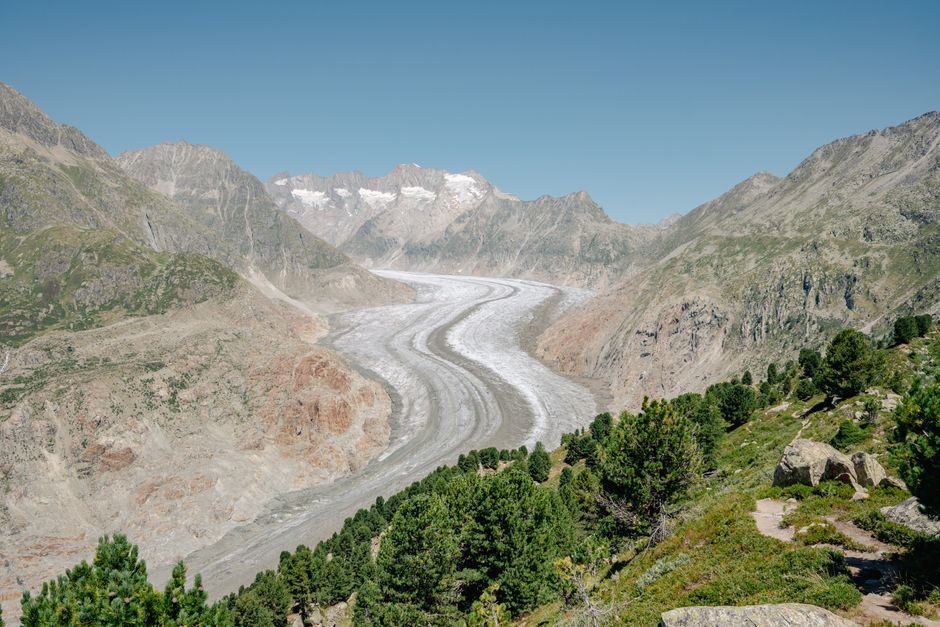
Stock photo for illustration only, not from the actual event
Although the climate is now too warm for many Alpine glaciers to persist, researchers emphasize that aggressive reductions in carbon emissions remain vital. Protecting vast ice masses in the Himalayas and polar regions can still effectively limit global sea-level rise and safeguard billions of coastal residents worldwide.
Source: BBC Science & Environment
Found something wrong in this article? Report an issue with this article
Comments
Leave a Comment