

iF Design Award 2026: Sustainable Design Strategies
Discover how the iF Design Award 2026 highlights intentional design decisions driving circular systems and material innovation across 93 categories.
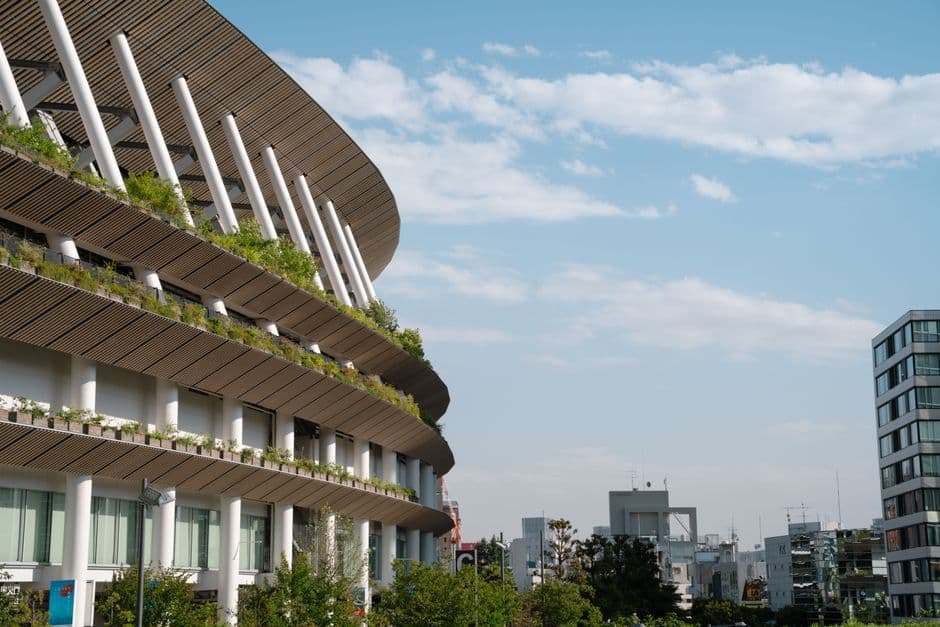
Stock photo for illustration only, not from the actual event
- iF Design Award 2026 emphasizes circular systems and material innovation.
- Environmental impact carries equal weight across 93 evaluation categories.
- Winning projects showcase sustainable solutions from products to urban infrastructure.
The term sustainable design has too often been reduced to a marketing label, diluted by superficial claims that mask short product lifespans. True sustainability cannot simply be stamped onto a surface; it must be woven directly into the entire manufacturing and lifecycle process.
This holistic approach is precisely what the iF Design Award prioritizes during evaluation. Spanning 93 distinct categories, environmental impact carries equal weight alongside traditional factors like function and style, setting a global benchmark for designers worldwide.
Elevating environmental criteria to match traditional metrics like aesthetics and utility forces designers to abandon superficial green marketing and tackle the core lifecycle challenges of modern products and architecture.
Illustrating this principle, the Taiwan Textile Research Institute developed its Gold Ratio Fibrous Resin Material, a circular thermoplastic composite crafted entirely from recycled carbon fibers and plastics designed for infinite repairability.

Stock photo for illustration only, not from the actual event
Meanwhile, innovations like DesertBoard® PSB® upcycle palm fronds into a formaldehyde-free and termite-resistant building material. In the UK, Geopak replaces single-use lighting boxes with reusable, trackable containers built for specific construction sites.
At an architectural scale, Takenaka Corporation utilized 3D-printed biodegradable wood and handmade seed paper for temporary architecture at Expo 2025 Osaka-Kansai. In New York, the Financial District and Seaport Climate Resilience Master Plan engineered by ONE Architecture, SCAPE, NYC EDC, and Arcadis integrates flood protection with urban waterfront design.
"True sustainability cannot be stamped onto a surface, it is woven into the entire process."
iF Design Award
Ultimately, these winning projects demonstrate that forward-thinking design reaches its fullest purpose when it actively empowers communities, protects natural ecosystems, and secures a resilient future.
Source: designboom
Found something wrong in this article? Report an issue with this article
Comments
Leave a Comment