

Meta unveils $1,299 VR Glasses to redefine mixed reality
Sean Hollister of The Verge tests the $1,299 Meta VR Glasses, a hybrid headset weighing just 100 grams that bridges the gap between VR and real-world awareness.
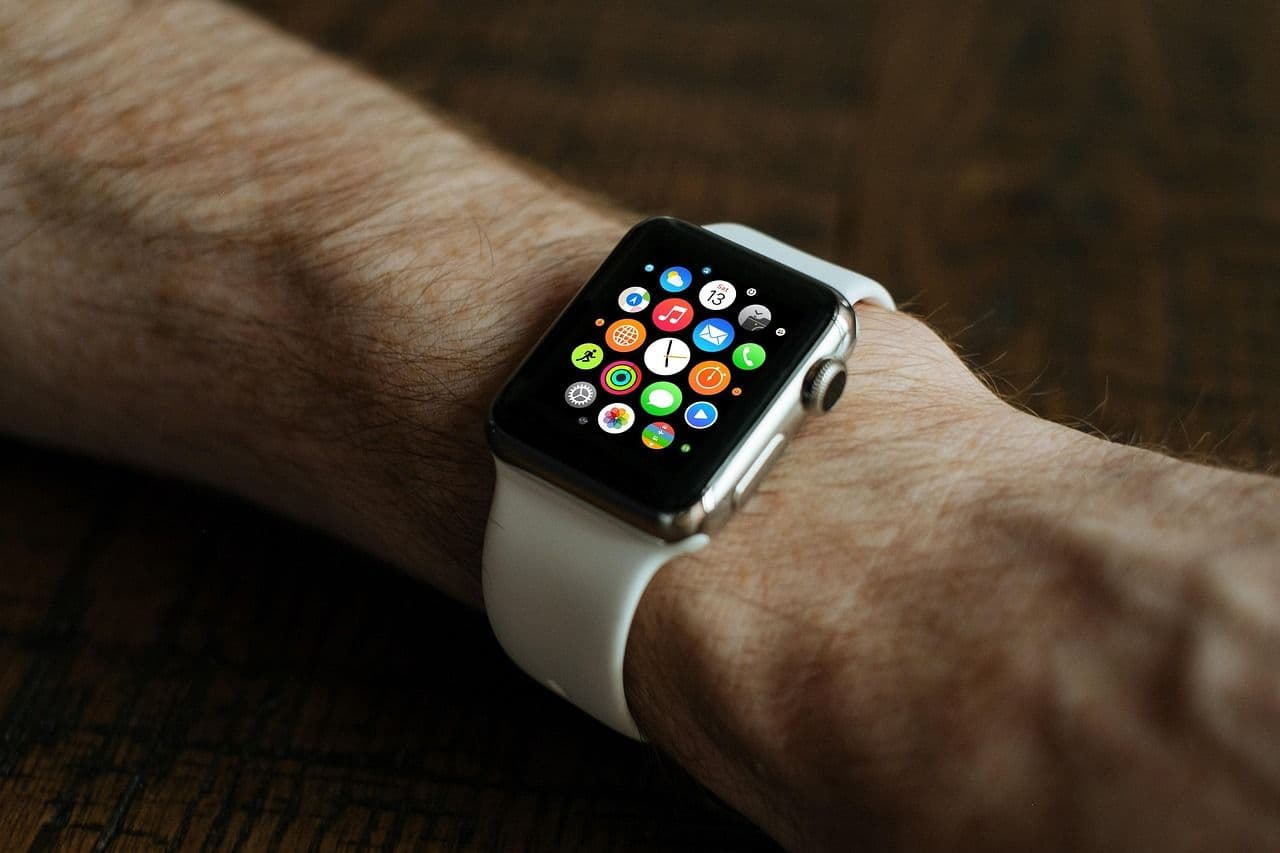
Stock photo for illustration only, not from the actual event
- Meta launches the lightweight VR Glasses weighing around 100 grams for $1,299
- Features a glasses-form factor maintaining real-world peripheral vision
- Combines the best of transparent AR glasses and opaque VR headsets
The tech industry might be reaching a major turning point as Meta reveals its latest wearable device, the Meta VR Glasses, priced at 1,299 dollars. While that price tag is steep in today's economy, there is no denying that this design breaks away from the conventional headsets and glasses we have seen before.
Sean Hollister, senior editor at The Verge, had the opportunity to test the device alongside competitors like the Valve Steam Frame, Apple Vision Pro, and Google/Xreal Aura, leading him to believe this is the first design that could convince regular people to give virtual reality a real chance.

Stock photo for illustration only, not from the actual event
The main breakthrough isn't just that they resemble ordinary spectacles, or that they weigh roughly 100 grams—making them five times lighter than a typical headset and much more affordable than the 3,700-dollar Apple Vision Pro. The true innovation lies in what users see, feel, and don't feel while wearing them.
"We’ve had glasses, but we’ve never had glasses like this."
Sean Hollister, The Verge
Because these are glasses rather than opaque goggles, wearers retain genuine peripheral vision. The central display shows a live video feed of the room, bordered by rims, with a naked-eye view of the surroundings beyond that. This prevents the isolated feeling that often keeps people from using VR around their children, pets, or strangers in public spaces like planes and trains.
From an analytical perspective, current wearable technology has long struggled to balance field-of-view breadth, visual clarity against ambient light, and physical comfort. Meta's hybrid approach addresses key consumer friction points that have historically hindered mainstream adoption, specifically targeting social isolation and physical discomfort during extended use.
Furthermore, this glasses design addresses ergonomic complaints from users who found traditional strap-and-cushion headsets incompatible with hairstyles like high ponytails or daily makeup routines. By resting on the ears instead of clamping around the head, they offer a vastly more practical daily user experience.
Source: The Verge
Found something wrong in this article? Report an issue with this article
Comments
Leave a Comment