

AI Finally Beat the Best Stratego Player on a Budget
Artificial intelligence makes history by defeating the world's top Stratego player using a second neural network.

Stock photo for illustration only, not from the actual event
- AI successfully defeats the greatest Stratego player in history
- The breakthrough was achieved on a budget
- Researchers added a second neural network to guess hidden pieces
Artificial intelligence has achieved a historic milestone by defeating the best Stratego player in history, and remarkably, it pulled off this feat on a limited budget. This challenges the traditional notion that advanced game-playing AI always requires massive computational resources.
Stratego presents a unique challenge for AI because it is an imperfect information game. Players cannot see the identities of their opponent's pieces until they engage in battle, unlike chess where the entire board is visible at all times.
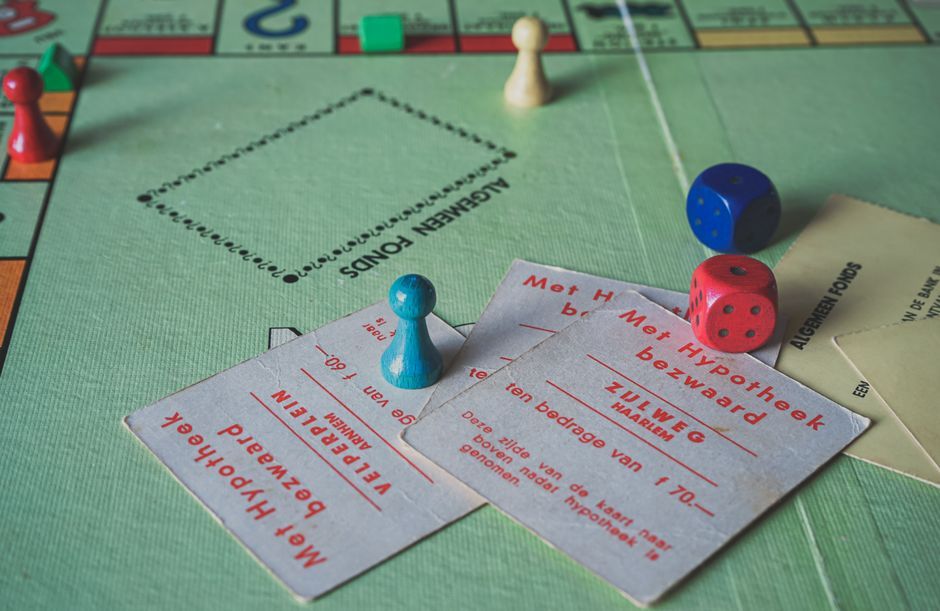
Stock photo for illustration only, not from the actual event
The crucial breakthrough that allowed the AI to overcome this hurdle was the addition of a second neural network. This secondary network acts as a specialized estimator designed to guess the true identity of the opponent's hidden game pieces.
This achievement marks a major leap forward because historical AI breakthroughs in hidden-information games often relied on massive compute power and huge budgets. The dual-neural-network approach opens up new possibilities for developing highly efficient AI systems at a fraction of the cost.
By combining imperfect-information strategy with budget-friendly architecture, this development paves the way for applying similar AI techniques to real-world business and security scenarios where data is frequently obscured.
Source: Ars Technica
Found something wrong in this article? Report an issue with this article
Comments
Leave a Comment