

Skift Data + AI Summit Europe 2026: Strawberry's AI Vision
Strawberry CTO Kari Anna Fiskvik highlights clean data over AI models ahead of the October 6 summit at Mastercard London.

Stock photo for illustration only, not from the actual event
- Clean and unified data architecture outweighs the capability of AI models
- Hotels must balance technology adoption with preserving human-centric hospitality
- European regulatory compliance presents both barriers and defensive opportunities
Kari Anna Fiskvik, Chief Digital and Technology Officer at Nordic hotel group Strawberry, has shared profound insights into artificial intelligence within travel operations, emphasizing that AI models are commoditizing and competitive advantage now shifts to clean, connected data.
Reflecting on 2021 during the peak of the pandemic, a ransomware attack disrupted most of Strawberry’s systems, yet the hotel group managed to restore operations within four days—a feat Fiskvik attributes directly to a team that precisely understood what mattered most.
Ahead of her appearance at the Skift Data + AI Summit Europe 2026, scheduled for October 6, 2026, at Mastercard London, she detailed why robust data architecture outranks the underlying model and where AI is poised to deliver genuine business value first.
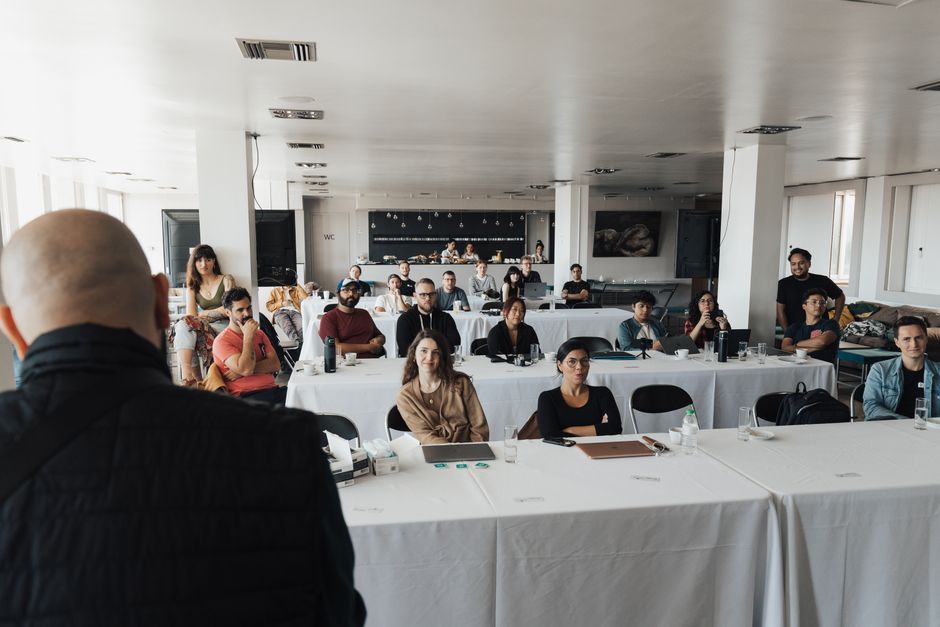
Stock photo for illustration only, not from the actual event
An industry leader prioritizing data architecture over flashy AI models highlights a critical enterprise blind spot: organizations frequently rush to deploy AI tools while their underlying data infrastructure remains fragmented. Without integrated identity systems and unified data pipelines, even the most advanced AI models fail to deliver accurate results, often masking infrastructure deficits under the guise of digital transformation.
When asked about the most vital factor for scaling AI across European travel markets, Fiskvik stressed that unified, clean data and the architecture facilitating free movement between systems are paramount. Curiosity and experimentation matter, she noted, but none of it compounds if underlying data remains trapped across disconnected silos.
Fiskvik also addressed common misconceptions, cautioning that deploying more AI does not automatically equate to higher efficiency or superior guest experiences. Hospitality remains fundamentally a people business delivered by human effort, and the fact that an AI model can technically replace a person does not mean it should.
"Just because we can build a model capable of replacing a person doesn’t mean we should."
Kari Anna Fiskvik
Regarding European regulatory complexity, she acknowledged that paperwork can be burdensome, but maintained that technological rules are essential to protect human lives, mandate AI-generated content labeling, and defend against prompt injections and hackers.
Source: Skift
Found something wrong in this article? Report an issue with this article
Comments
Leave a Comment