

Bank of England Expected to Hold Interest Rates at 3.75% Amid Global Uncertainty
Policymakers are widely anticipated to keep interest rates steady for the fifth consecutive time as economic and geopolitical risks persist.

Stock photo for illustration only, not from the actual event
- Bank of England policymakers expected to hold rates at 3.75% for a fifth time
- UK annual inflation stood at 2.6% in the 12 months leading up to June
- Middle East conflict and energy prices weigh heavily on economic outlook
- Analysts note that a rate hold offers welcome stability for households
UK interest rates are widely anticipated to be held at 3.75% for a fifth consecutive time by policymakers at the Bank of England, as ongoing uncertainty surrounding the global political and economic outlook continues to shape monetary policy.
The Monetary Policy Committee, comprising five women and four men, holds eight meetings each year to determine borrowing costs and returns for savers. Although the benchmark Bank rate sits at its lowest level since February 2023, few market analysts foresee any short-term adjustments to the current monetary stance.
The central bank utilizes the base rate as its primary mechanism to manage inflation, targeting a rate of 2%. Official data released recently showed that UK inflation was 2.6% in the year to June, marking a slight decrease from the previous month but remaining above the 2.3% target threshold. Furthermore, inflation is projected to climb in July as millions of households across Scotland, England, and Wales absorb a 13% increase in domestic energy bills driven by wholesale energy market pressures linked to the conflict involving Iran.
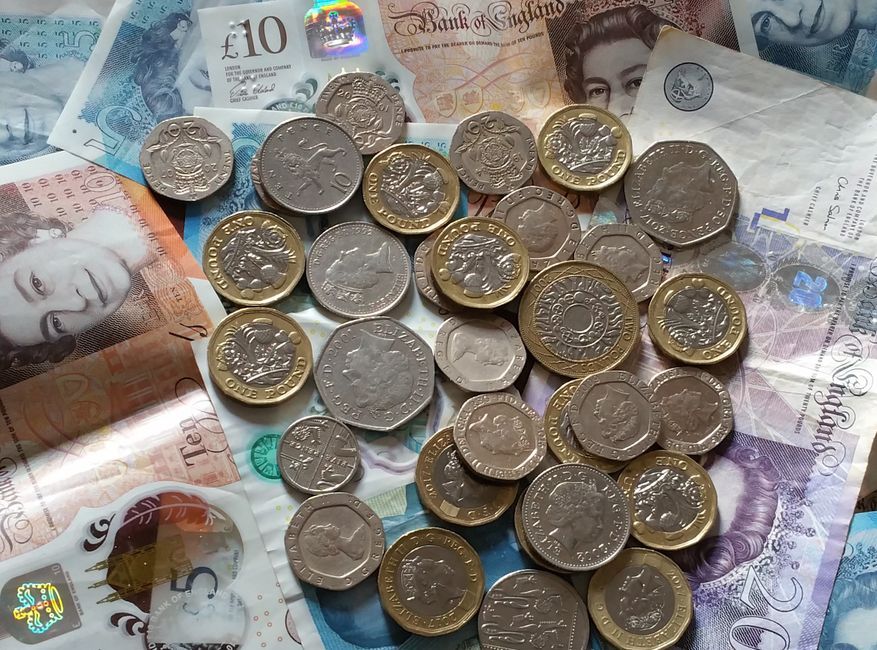
Stock photo for illustration only, not from the actual event
Geopolitical tensions in the Gulf region and a lack of clarity regarding a lasting truce continue to cast a shadow over the committee's deliberations. Many financial analysts anticipate that interest rates will remain unchanged for the foreseeable future, with any subsequent movement potentially leaning toward an increase.
"A new government finding its feet, and the situation in the Middle East becoming increasingly uncertain, mean that a hold on [the] base rate decision would be a welcome dose of stability."
Katie Horne, Flagstone
A continued hold would ensure that monthly mortgage repayments for homeowners on tracker rates remain stable. Nonetheless, more than 80% of mortgage holders rely on fixed-rate deals, and major UK lenders have recently raised rates on new products. Information from financial service Moneyfacts indicates that the average rate on a new two-year fixed mortgage has climbed to 5.62%, reaching its highest point in over a month due to rising funding costs fueled by renewed volatility in the Middle East.
Context and Analysis: Central banks often adopt a cautious waiting game during periods of heightened geopolitical instability. When energy shocks threaten to push inflation back up while economic growth remains sluggish, policymakers must carefully weigh the risk of keeping monetary policy too restrictive against the danger of easing conditions prematurely.
Source: BBC Business
Found something wrong in this article? Report an issue with this article
Comments
Leave a Comment