

Bluetongue restriction zone to be expanded across Scotland
Scotland will expand bluetongue restriction zones nationwide starting Saturday, removing livestock movement licences to ease farming trade.
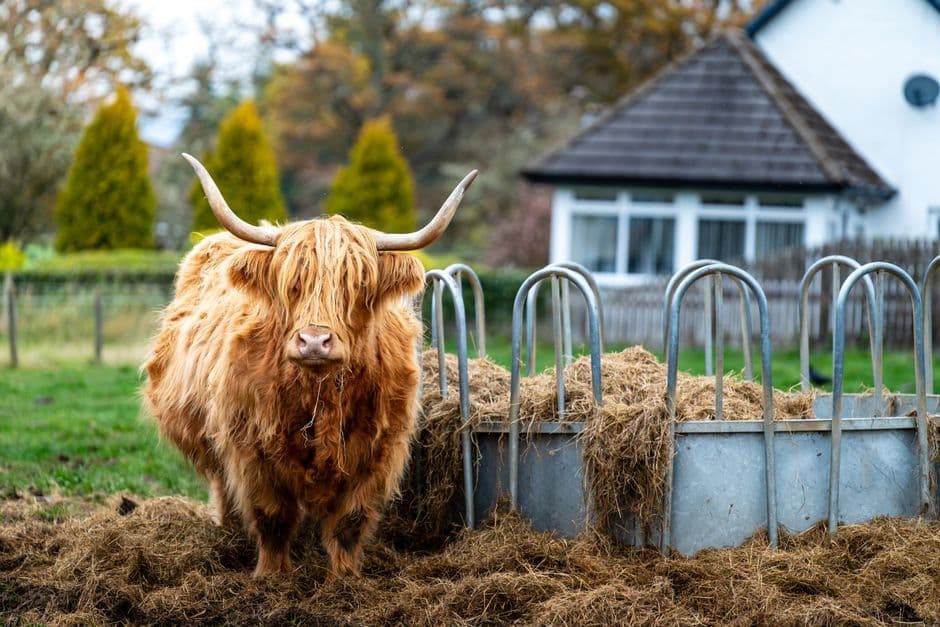
Stock photo for illustration only, not from the actual event
- Scotland will expand bluetongue restrictions across the entire country starting Saturday.
- The move removes livestock movement licences and streamlines trading processes.
- The virus has been detected in 40 premises since the south-west zone was established.
- Industry experts highlight a trade-off between trade benefits and virus spread risks.
Bluetongue virus restrictions are set to be expanded across the entirety of Scotland starting Saturday, following an initial restricted zone established in the south-west due to cases emerging in August. The Scottish government stated that this decision aims to make trading operations significantly more straightforward for farmers, hauliers, and auction markets alike.
Bluetongue is an insect-borne viral disease that impacts ruminants such as sheep and cattle. While it does not affect humans or food safety, it causes high mortality rates in infected sheep and fertility complications in cattle. The very first case in Scotland was identified in early August involving a single sheep located on a farm in Dumfries and Galloway.
The decision to widen the restriction zone follows extensive consultations with industry groups, including the National Farmers' Union (NFU) Scotland, the National Sheep Association, and the Scottish Beef Association. Because all of Scotland will share an identical disease status, the movement licences previously required to transport livestock into, within, and out of the south-west zone will no longer be necessary after Saturday. Meanwhile, England and Wales remain within their own restricted zones following summer escalations.
Contextual Analysis: Bluetongue is a major concern for the agricultural sector due to severe mortality in sheep flocks and strict animal movement regulations. Expanding nationwide zones while relying on vaccine confidence represents a calculated strategy by authorities to balance epidemiological safety with economic continuity during peak autumn trading.
The virus has been confirmed across 40 premises since the south-west restricted zone was set up in early September. The Scottish government noted that four of these cases were discovered outside the designated zone through trace-back operations involving animal movements from affected farms. Both Dumfries and Newton Stewart recorded the highest concentration with six affected premises in each area.
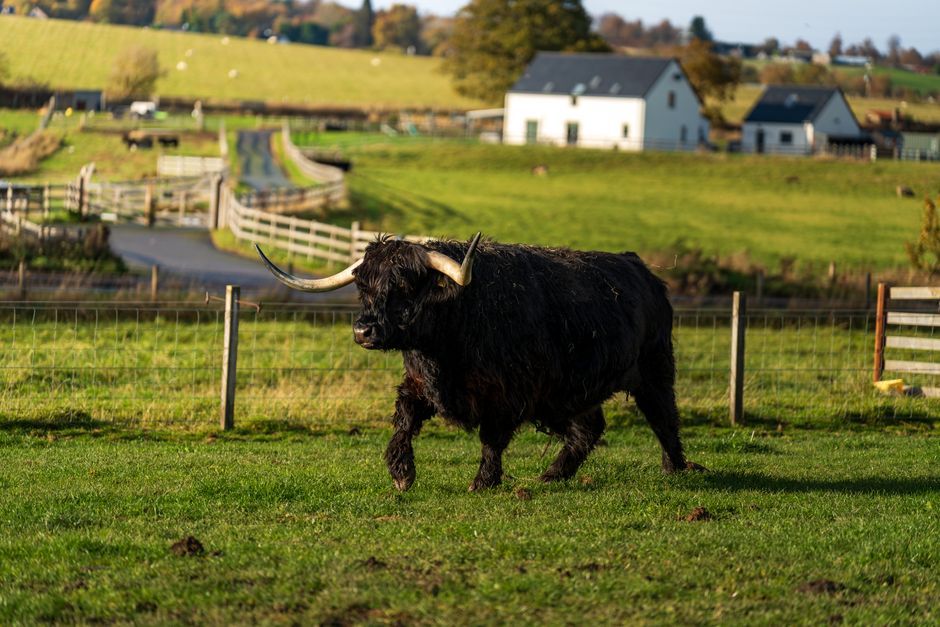
Stock photo for illustration only, not from the actual event
"an administrative burden on farmers at what is a critical time in the trading calendar"
Fairlie
Clinical symptoms of bluetongue include nasal discharge, redness and swelling around the lips, nose, and muzzle, lameness, reduced milk yields, and diarrhoea in cattle. Suspected cases must be formally reported to the UK government's Animal and Plant Health Agency, which provides daily outbreak updates.
Source: BBC Science & Environment
Found something wrong in this article? Report an issue with this article
Comments
Leave a Comment