

What happens here has a big impact on your money: A quick guide to interest rates
Explore how interest rate movements and central bank decisions directly affect your personal finance and daily budget.

Stock photo for illustration only, not from the actual event
- Interest rate movements have a direct and significant impact on your finances.
- Central banks play a crucial role in shaping the broader economic landscape.
- Understanding these financial shifts helps you better manage your personal wealth.
When it comes to managing your personal finance, keeping an eye on interest rates is essential. What happens in the financial markets and at central institutions ultimately ripples down to affect everyday banking, loans, and savings accounts.
BBC Business has released a quick guide video highlighting why these monetary shifts matter and how they translate into real-world consequences for your money, focusing on the core principles of personal finance and banking.
Interest rates serve as the primary monetary policy tool used by central banks to manage inflation and stabilize the economy. When rates rise, borrowing becomes more expensive, which typically cools down consumer spending and business investments. Conversely, lowering rates reduces borrowing costs to stimulate economic activity. Comprehending these mechanisms allows individuals to make informed decisions regarding mortgages, savings, and debt management during shifting economic cycles.
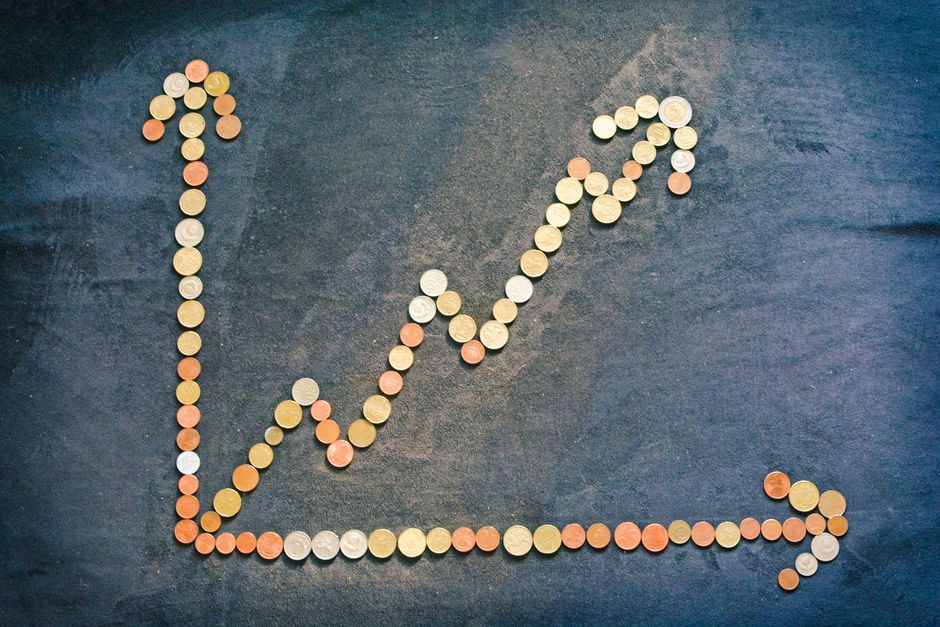
Stock photo for illustration only, not from the actual event
Source: BBC Business
Found something wrong in this article? Report an issue with this article
Comments
Leave a Comment