

Robotaxi design prevents passenger misconduct
Autonomous vehicle designers face the challenge of finding ways to stop passengers from engaging in intimate acts inside shared robotaxis.
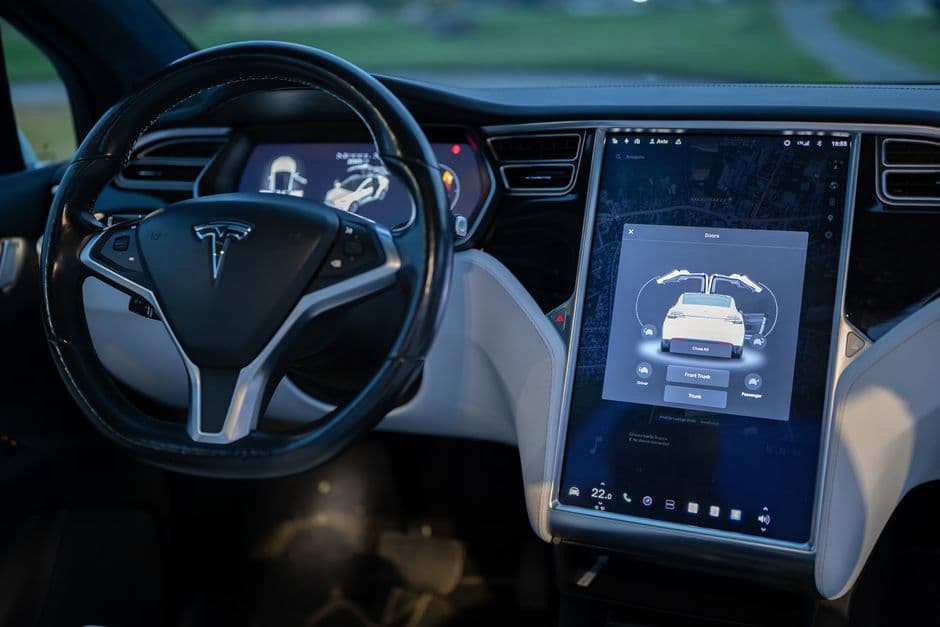
Stock photo for illustration only, not from the actual event
- Autonomous vehicles face issues with passenger misconduct inside cabins
- Vehicle designers must rethink interiors to prevent explicit content creation
- Privacy in driverless cars presents a new challenge for engineers
The development of autonomous vehicles or robotaxis involves much more than just road safety and smart navigation systems. Manufacturers and designers are now grappling with unexpected challenges regarding private passenger behavior inside the cabin, particularly issues related to intimate acts or creating explicit content during rides.
Since these vehicles operate without a human driver to monitor activities, the cabin effectively transforms into a private space that tempts some individuals to misuse it. This reality forces automotive designers to fundamentally rethink interior layouts and seating arrangements.
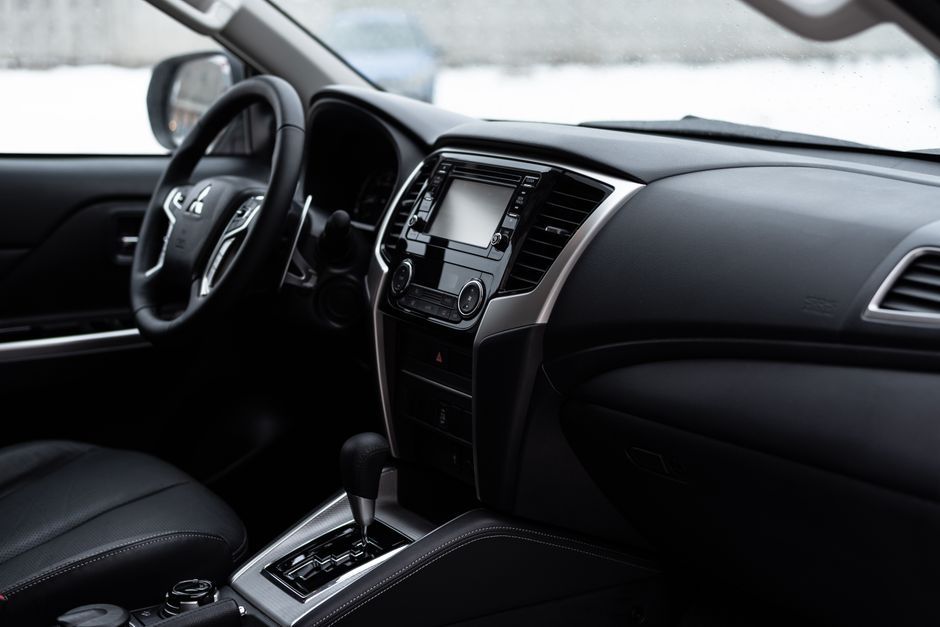
Stock photo for illustration only, not from the actual event
The challenge of designing robotaxi cabins highlights how autonomous technology not only transforms transportation but also shifts social behavior in shared mobile spaces. Designers must strike a delicate balance between passenger comfort and deterring misuse without overly compromising personal privacy.
Potential solutions being considered by designers range from modifying seat materials and lighting placements to installing smart monitoring systems to prevent public transit spaces from being used inappropriately.
Source: Ars Technica
Found something wrong in this article? Report an issue with this article
Comments
Leave a Comment