

SpaceX launches Crew-13 to the International Space Station
Falcon 9 lifts off from Florida carrying four astronauts on a 7-hour 50-minute journey to the ISS for Moon and Mars research.
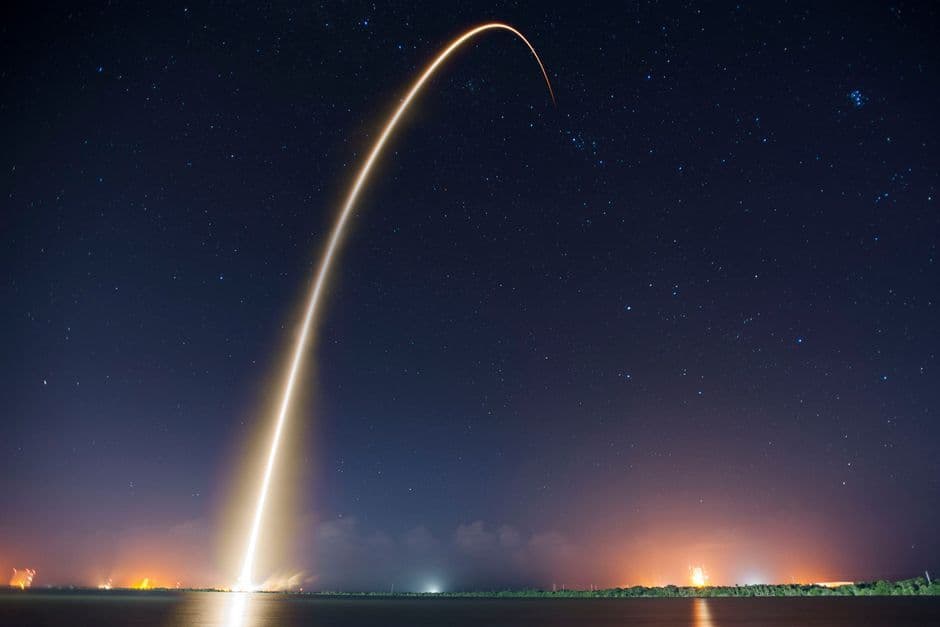
Stock photo for illustration only, not from the actual event
- SpaceX launched a Falcon 9 rocket carrying Crew-13 to the ISS from Cape Canaveral, Florida
- The four-person crew includes two NASA astronauts, a Russian cosmonaut, and a Canadian astronaut
- The launch was delayed from mid-September to replace a valve in the Crew Dragon propulsion system
- The journey to the ISS takes 7 hours and 50 minutes for research supporting future Moon and Mars missions
SpaceX has successfully launched a Falcon 9 rocket from Cape Canaveral, Florida, heading toward the International Space Station with the Crew-13 team on board. This mission marks another significant crew rotation for the orbiting laboratory, bringing together an international group of space travelers to carry out vital scientific work in low Earth orbit.
The newly launched crew consists of four members: two NASA astronauts, one Russian cosmonaut, and one Canadian astronaut. Notably, the Canadian crew member's wife is expecting their third child two months into the mission, making them the fourth couple in the history of space travel to welcome a baby while a parent is off the planet, according to CBSNews reports.
This successful liftoff followed a delay from the mission's original schedule in mid-September. Engineers postponed the launch to replace a valve within the Crew Dragon spacecraft's propulsion system, ensuring that all safety protocols were rigorously met before clearing the rocket for flight.
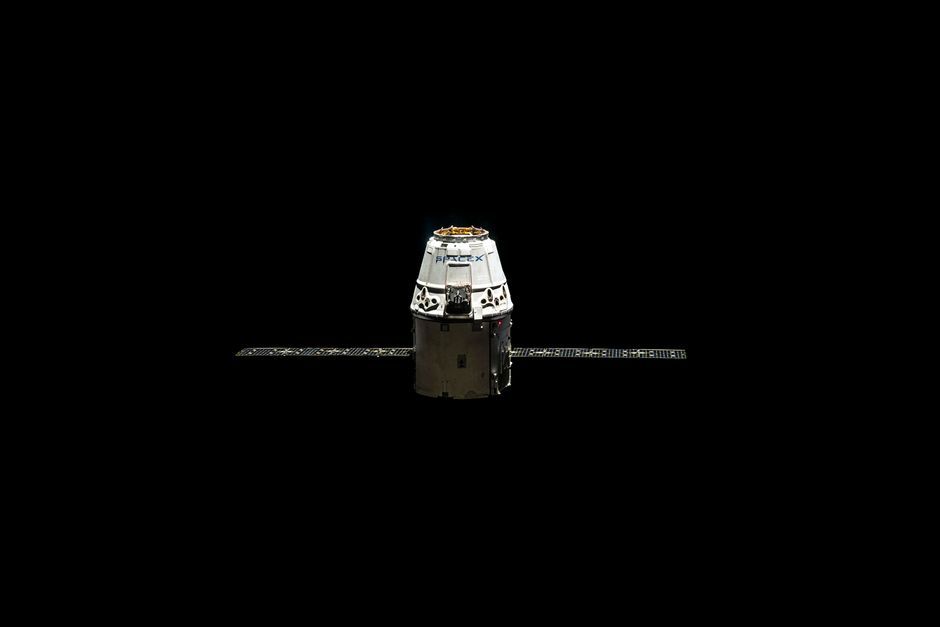
Stock photo for illustration only, not from the actual event
Once the spacecraft docks with the orbiting outpost, the total travel time from launch will amount to 7 hours and 50 minutes. Upon arrival, the astronauts will immediately begin conducting a series of experiments and research projects aimed at laying the groundwork for future crewed missions to the Moon and Mars, as detailed by NASA.
Regular crew rotations to the ISS remain a cornerstone of international space cooperation and continuous scientific advancement. The reliability of SpaceX's Falcon 9 and Crew Dragon systems has fundamentally transformed how space agencies manage crew transport, ensuring consistent access to microgravity research facilities without relying on a single launch provider.
Source: BBC Science & Environment
Found something wrong in this article? Report an issue with this article
Comments
Leave a Comment