

Venus' mysterious haze is actually cosmic dust
A physical model reveals that iron dust and sulfuric acid combine to create the exact properties of Venus' mysterious haze.
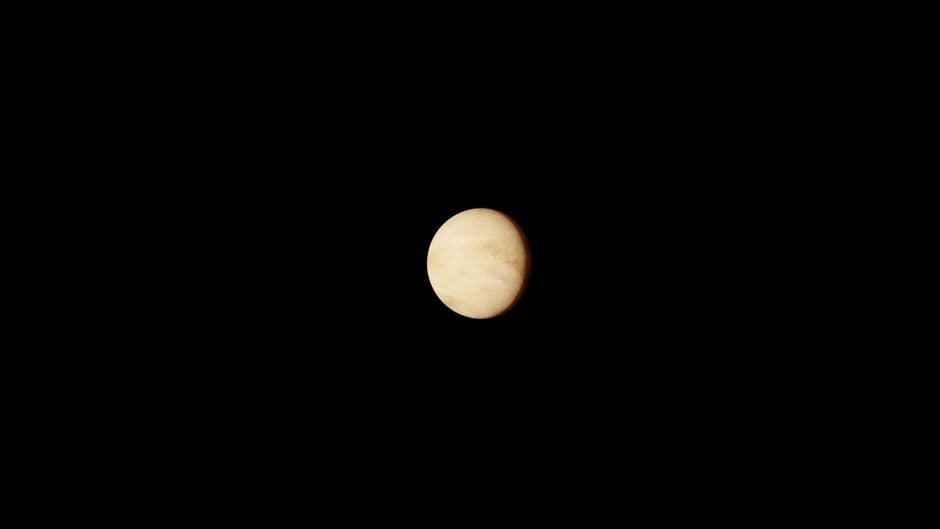
Stock photo for illustration only, not from the actual event
- New physical model decodes Venus haze
- Iron dust and sulfuric acid are key
- Matches observed physical properties
The long-standing mystery surrounding Venus has begun to unravel as scientists developed a new physical model to study the dense haze enveloping the planet. The findings suggest that the primary components of this atmospheric layer may originate from sources beyond the planet's immediate environment.
In-depth analysis indicates that iron dust particles interacting with sulfuric acid successfully replicate the precise physical characteristics of the enigmatic haze observed by astronomers. The combination of these two elements creates a atmospheric layer whose behavior aligns closely with existing scientific data.
Stock photo for illustration only, not from the actual event
This discovery enhances astronomers' understanding of planetary atmospheric dynamics within the solar system. Given Venus' extreme environment dominated by sulfuric acid, the presence of accumulated interplanetary cosmic dust highlights the ongoing interaction between interplanetary material and planetary atmospheres.
This fresh insight bridges theoretical gaps that have persisted for decades and paves the way for further research into how space dust influences other planetary bodies across our solar system.
Source: Ars Technica
Found something wrong in this article? Report an issue with this article
Comments
Leave a Comment