

OOIIO Transforms Old Madrid Factory into Cutting-Edge Automotive Center with Ventilated Façade
Architecture studio OOIIO has converted an abandoned former factory in Madrid into a modern automotive service center, emphasizing recycled materials, passive design, and a breathable building envelope.
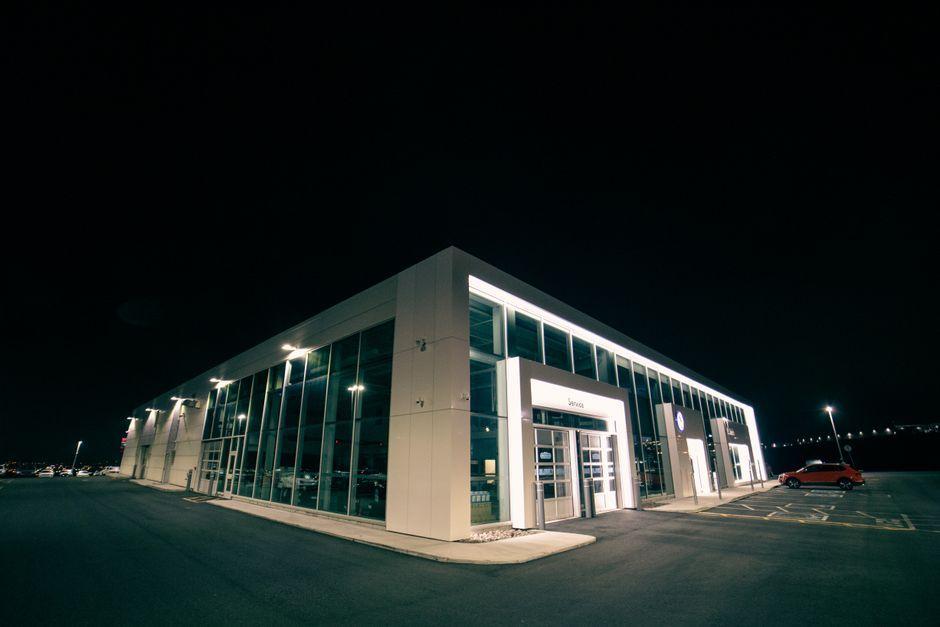
Stock photo for illustration only, not from the actual event
Madrid-based OOIIO Architecture was commissioned to renovate a deserted former kitchen manufacturing plant in the Leganés industrial district into a comprehensive automotive service center, encompassing car showrooms, offices, mechanical and body repair shops, as well as extensive vehicle storage areas. Instead of demolishing the original structure, the architects chose to upgrade the existing framework to minimize demolition waste and extend the building's lifespan.
Regarding interior spatial allocation, the ground floor is designated as the vehicle showroom and maintenance workshop, the first floor serves as offices, and the topmost level is converted into a parking lot accommodating hundreds of vehicles. It is also equipped with photovoltaic pergolas that not only generate electricity for internal use but also feed excess power back to the surrounding community. Additionally, large ramps have been constructed on both lateral sides to organize vehicular traffic flows across each level cleanly and keep them strictly separated from customer pathways.
A major highlight of this project is the replacement of the original brick walls with a novel outer façade composed of white vertical metal louvers mounted on a mint-green steel structure. This helps filter sunlight, reduces heat during Madrid's scorching summers, and allows for smooth, natural ventilation on the unconditioned vehicle storage floor. Furthermore, the design cleverly conceals the factory's ventilation ductwork and exhaust flues behind the louvered structure, turning these technical elements into architectural components that enhance the industrial aesthetic.
The design approach of the Leganés Auto Center exemplifies the integration of adaptive reuse with passive environmental strategies—such as natural ventilation, shading, and rainwater harvesting systems for car washing—which collectively minimize environmental impact in terms of energy and operations while establishing a striking new identity for the surrounding industrial landscape.
à
Found something wrong in this article? Report an issue with this article
Comments
Leave a Comment