

What's gone wrong at Nike? Sportswear giant loses mojo
Nike battles a 75% share price drop over five years, exits the S&P 100 index, and loses football star Kylian Mbappé to Swiss rival On.

Stock photo for illustration only, not from the actual event
- Nike's stock market value has tumbled by 75% over five years, leading to its exit from the S&P 100 index.
- Football star Kylian Mbappé ended a 20-year association with Nike to join the fast-growing Swiss rival On.
- Revenue in the key Chinese market recorded a steep decline of 26% amid rising competition.
- Company veteran and CEO Elliott Hill is leading a turnaround strategy that requires long-term patience.
The largest sportswear brand on the planet, named after the ancient Greek goddess of victory, has been losing sales, customers, and ground to its rivals. The one-time industry disruptor is now the establishment and is caught in the middle of a tricky turnaround plan.
Nike's latest financial results show signs that a turnaround strategy put in place by company veteran Elliott Hill, who was coaxed out of retirement two years ago, is working, though the recovery pace resembles a marathon rather than a sprint.
However, this recovery momentum was dented when football star Kylian Mbappé ended his 20-year partnership with the brand to join the fast-growing Swiss competitor, On. The departure of the Real Madrid striker raises doubts about whether Nike can maintain its top position among elite athletes and their fans.
Mbappé's departure highlights a critical shift in the athletic apparel industry, where agile newcomers like On and Hoka successfully challenge legacy giants by focusing sharply on fresh product innovation and direct athlete appeal rather than relying solely on historical dominance.
Missteps over recent years have wiped hundreds of billions of dollars off its stock market value as shares tumbled by 75% over five years. Last month, the company was also ejected from the S&P 100 stock market index of major US blue-chip firms.
Matt Powell, a veteran retail analyst, noted that Nike made several strategic errors that proved hard to reverse, including cutting ties with multi-brand retailers to sell exclusively direct-to-consumer online and oversupplying limited-edition items.
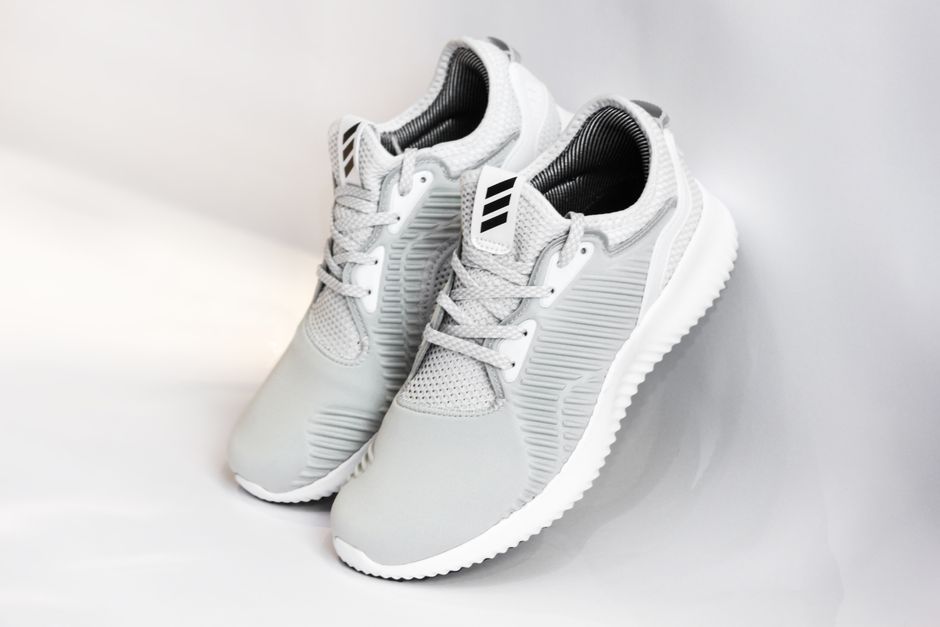
Stock photo for illustration only, not from the actual event
Historically, Nike built its empire on bold gambles, such as signing rookie Michael Jordan in the mid-1980s and creating the iconic Air Jordan brand. Later partnerships included Tiger Woods, Serena Williams, and Cristiano Ronaldo, though Woods ended his ties in 2024.
"The more broadly available those shoes became, the fewer people were interested."
Matt Powell
CEO Elliott Hill acknowledged past oversupply issues, particularly with retro Jordan products, and announced plans to reduce both volume and frequency moving forward. The company expects revenues to decline by high-single digits next year while targeting $2.5bn in savings by 2031, which will include job cuts.
Source: BBC Business
Found something wrong in this article? Report an issue with this article
Comments
Leave a Comment