

UK diesel price hits £2 a litre 2026: Record high
UK diesel average price exceeds £2 a litre for the first time according to RAC, driven by the Iran war and US pressure over reserves on October 2, 2026.

Stock photo for illustration only, not from the actual event
- Average UK diesel price surges above £2 a litre for the very first time.
- Spike driven by the ongoing Iran war and attacks on Russian refineries.
- US pressures European nations to release reserves while threatening export bans.
- Filling an average family diesel car now costs nearly £32 more than pre-war levels.
The energy landscape in the United Kingdom reached a historic milestone on October 2, 2026, as the RAC motoring organization reported that the average price of diesel climbed past the £2-a-litre threshold for the first time. The unprecedented surge highlights the persistent ripple effects of geopolitical conflicts in the Middle East.
According to RAC figures, diesel reached a new peak of 200.01p a litre, while petrol prices continued their upward trajectory, averaging 174.71p a litre. The motoring body noted that these continuous price increases show no signs of slowing down, heaping significant financial pressure onto motorists across the nation.
Global fuel tensions escalated further as the United States administration stepped up pressure on European countries to release additional diesel reserves to lower worldwide costs, alongside threats from President Trump to ban domestic fuel exports entirely.
Implementing an export ban would retain more US diesel for the domestic market, potentially easing prices for American drivers ahead of the midterm elections in November. However, such a move would likely push retail prices even higher in other regions, including the UK and the European Union.
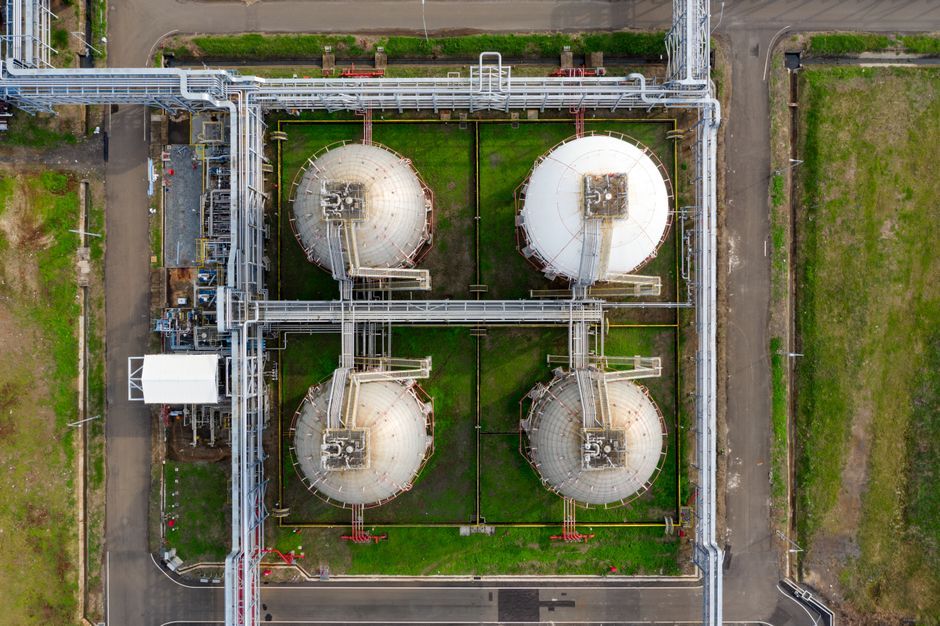
Stock photo for illustration only, not from the actual event
"This will be very challenging for households and companies that drive a lot of miles, from commuters, haulage and delivery firms, businesses with large fleets all the way through to sole traders."
Simon Williams, RAC
The core crisis stems from the seven-month Iran war, which has severely disrupted wholesale oil production and refined product transport from the region. Furthermore, recent Ukrainian attacks targeting Russian refineries have further constrained global diesel supplies.
Context and Analysis: The UK fuel market remains structurally vulnerable to external shocks because diesel is more complex to refine than gasoline. While domestic refineries produce an excess of petrol relative to local consumption, they supply less than half of the nation's diesel demand. Consequently, the UK imports just under half of its total diesel, with approximately 31% originating from the US and over a third jointly supplied by Belgium and the Netherlands.
UK government officials maintain that the country's supply chain remains diverse, resilient, and secure against potential shortages. Nonetheless, the financial burden on consumers is severe. Filling a standard family diesel car now costs £110—nearly £32 more than at the onset of the US-Iran conflict—while filling a typical petrol car has risen to £96.09, up by £23.03 since February.
Source: BBC Business
Found something wrong in this article? Report an issue with this article
Comments
Leave a Comment