

Meta open sources code to let you make Muse AI gadgets
Meta releases source code and SDKs allowing users to build Muse AI gadgets on Raspberry Pi, alongside 5,000 free Muse Home Link devices.

Stock photo for illustration only, not from the actual event
- Meta open-sourced code and SDKs to let users build custom Muse AI devices.
- Compatible with off-the-shelf ESP32 boards and Raspberry Pi setups.
- Meta manufactured 5,000 free Muse Home Link gadgets, with waitlists now open.
Meta has released the source code and software development kits that enable users to construct their own hardware gadgets featuring the company's new AI agent, Muse. This move empowers hobbyists and developers to connect the AI agent directly to custom hardware setups, displays, and sensors.
According to the company, builders can explore several practical project concepts using the newly available tools:
- Loading Muse onto a color E Ink display to present reminders and notifications.
- Adding the agent to an HDMI stick to project Muse onto a large monitor or TV screen.
- Installing it on a small touchscreen device to create a DIY Muse Charm-like gadget.
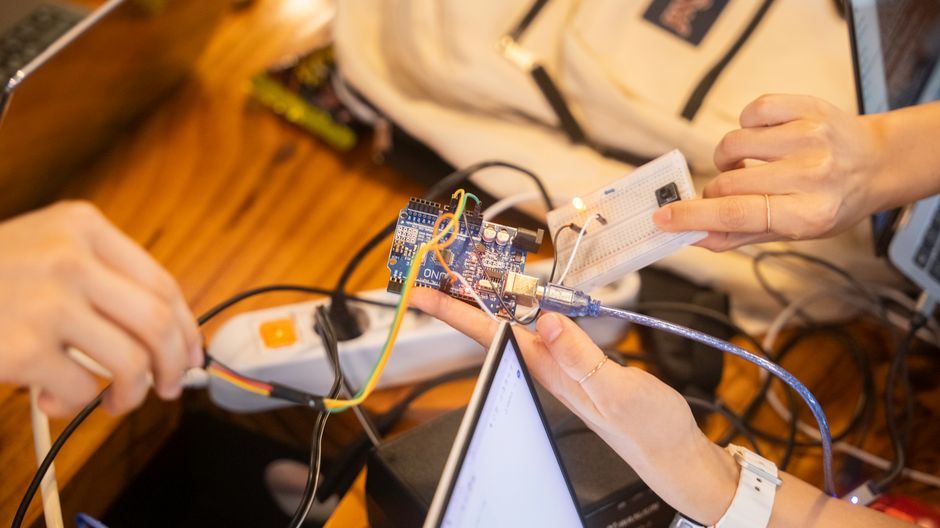
Stock photo for illustration only, not from the actual event
In addition to the open-source initiative, Meta is giving away a physical gadget called the Muse Home Link. Nat Friedman of Meta Superintelligence Labs confirmed that 5,000 units of this device were manufactured. Using community-built skills, users can configure the AI agent to turn on lights, operate televisions, send documents to printers, and manage other smart home tasks depending on individual configurations. Waitlist registration for the Muse Home Link is currently open ahead of shipping scheduled for this month.
"Muse gadgets are open source devices you build yourself... Proceed at your own risk!"
Meta
Meta's decision to open-source the codebase for Muse hardware projects signifies a strategic push into the DIY maker community. By supporting accessible microcontrollers like ESP32 and single-board computers like Raspberry Pi, Meta is encouraging decentralized experimentation with on-device AI agents, contrasting sharply with strictly proprietary ecosystem approaches.
Source: The Verge
Found something wrong in this article? Report an issue with this article
Comments
Leave a Comment