

G7 to release 100M barrels of oil and diesel after Trump ban threat
G7 and IEA agree to release 100 million barrels of strategic oil and diesel reserves to ease soaring energy prices after Donald Trump export ban threat.
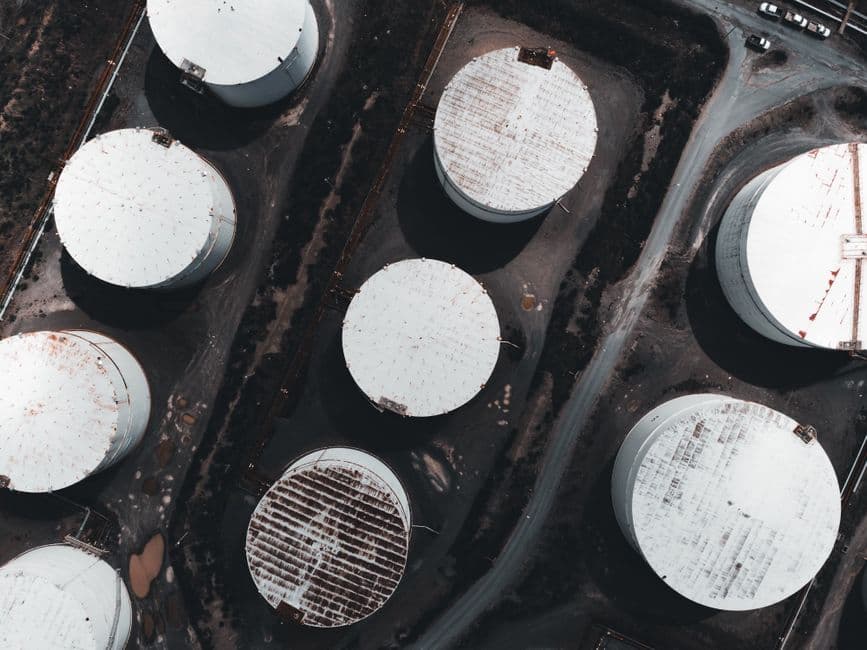
Stock photo for illustration only, not from the actual event
- G7 agrees to release 100 million barrels of crude oil and diesel over four months
- The decision follows Donald Trump's threat to ban US diesel exports
- Global benchmark Brent crude briefly dropped below $100 before rising to $102
- UK diesel prices at the pump topped £2 a litre for the first time
The G7 group of advanced economies has agreed to release 100 million barrels of oil and diesel reserves to ease acute supply pressures that have driven energy prices sharply upward. Coordinated through the International Energy Agency (IEA), the release will be implemented over a four-month period, featuring a frontloaded substantial supply of diesel distributed within the first 20 days by G7 members and partner countries.
The agreement comes in response to earlier threats from US President Donald Trump, who warned he would prohibit US diesel exports unless European nations released more of their domestic stockpiles onto the market. Trump argued this would lower prices for American consumers ahead of the November midterm elections. On Friday, Trump posted on social media that Europe had agreed to release a massive amount of diesel immediately, while US Treasury Secretary Scott Bessent maintained that American farmers, truckers, and businesses should not bear the sole burden of soaring costs.
However, following a meeting chaired by French President Emmanuel Macron, G7 leaders confirmed the bloc's commitment to releasing up to 100 million barrels. UK Foreign Secretary Ed Miliband stated that the measures would stabilise energy supplies, build supply chain resilience, and shield households and businesses from severe price shocks. Speaking at the White House later, Trump clarified that a formal ban on diesel exports was never genuinely on the table.

Photo by Austin Distel / Unsplash
"We will implement our commitments with a coordinated release through the IEA of 100 million barrels to begin immediately over four months."
G7 Joint Statement
In their joint statement, G7 leaders reaffirmed that member countries would refrain from imposing export restrictions on energy and energy products among one another. The G7 comprises the US, UK, Canada, Japan, Germany, Italy, and France, alongside the European Union. Global benchmark Brent crude oil briefly dipped below $100 a barrel before recovering to approximately $102 by Friday evening. Matt Smith, director of commodities research at Kpler, noted that prices rebounded following renewed reports of military strikes between Saudi Arabia and the Houthis in Yemen.
This coordinated intervention highlights the fragility of global energy markets, which face concurrent pressures from Middle Eastern geopolitical conflicts, domestic refining constraints, and ongoing sanctions against major producers like Russia. Because diesel is technically more complex to refine than petrol and critical for heavy transport and agriculture, demand remains inelastic. Collaborative reserve releases through the IEA serve as a vital temporary buffer against severe inflationary shocks for import-dependent economies.
The crunch in diesel supplies has hit import-reliant nations particularly hard, with UK pump prices surging past £2 per litre for the first time on Friday. Britain imports over half of its diesel supply, with 31 percent originating from the United States. While US refineries produce roughly four to five million barrels daily—meeting domestic consumption of about 3.6 million barrels—the remaining export volume makes American refiners a crucial pillar of global energy security.
Source: BBC Business
Found something wrong in this article? Report an issue with this article
Comments
Leave a Comment