

Bernie Sanders introduces bill to ban federal Flock camera use
Senator Bernie Sanders introduces the Ban Flock Act to bar federal agencies from using automatic license plate readers amid rising privacy concerns.
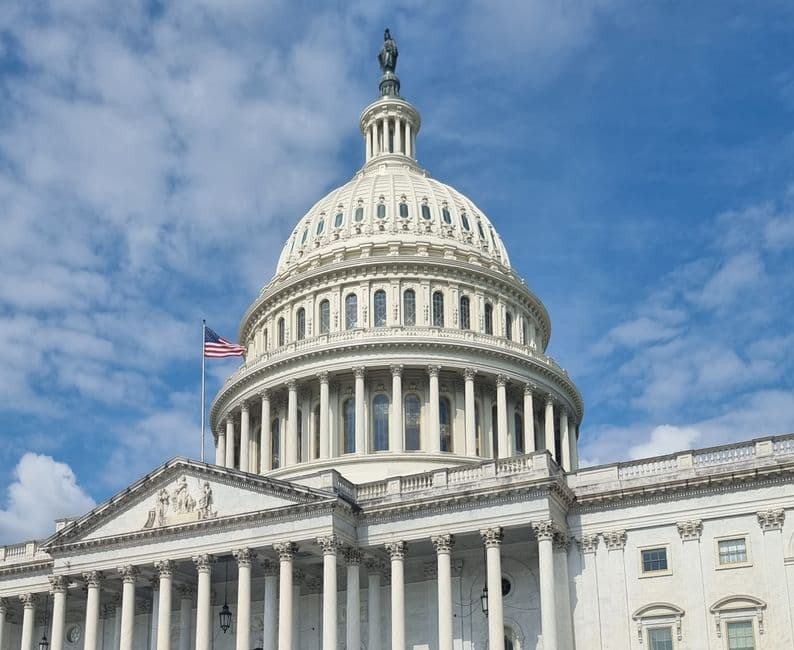
Stock photo for illustration only, not from the actual event
- Senator Bernie Sanders introduced the Ban Flock Act targeting federal ALPR use
- The bill bars agencies from tapping data run by local police and private firms
- Exceptions apply only to toll collection and strict congressional approval
- Flock operates over 120,000 cameras processing billions of reads monthly
Senator Bernie Sanders (D-Vermont) introduced the Ban Flock Act on Friday, October 2, 2026, aiming to prohibit federal agencies from utilizing automatic license plate readers (ALPRs) or accessing data collected by readers operated by local police departments and private companies. Although the title points directly at Flock, the text encompasses any and all ALPR systems rather than singling out a single vendor.
The legislation outlines strict exceptions only for toll collection purposes and future uses explicitly approved by Congress in upcoming legislation, which would mandate a data retention limit capped at 48 hours.
State and local governments failing to comply would face financial penalties if the bill becomes law. Starting the first fiscal year following enactment, non-compliant jurisdictions would lose federal grants from five separate departments, including the Department of Justice and the Department of Homeland Security. Furthermore, individual Americans could sue the federal government over violations, while state attorneys general would gain enforcement powers.
According to Sanders, Flock stands as the largest ALPR vendor across the United States, deploying more than 120,000 cameras. A company blog post published in February noted that its network processes over 20 billion vehicle reads each month.
The widespread deployment of automated license plate recognition technology has sparked intense debate regarding civil liberties and constant government surveillance in the United States. While vendors have faced growing community pushback and contract cancellations, regulatory measures at the federal level mark a significant escalation in the ongoing privacy battle.

Stock photo for illustration only, not from the actual event

Stock photo for illustration only, not from the actual event

Photo by Stem List / Unsplash

Photo by Product School / Unsplash

Photo by Miguel Henriques / Unsplash

Photo by Teemu Paananen / Unsplash

Photo by Campaign Creators / Unsplash
Facing escalating pressure from communities protesting the technology, suspending deployments, and canceling contracts, Flock has adjusted its internal policies. CEO Garrett Langley announced a default data retention period reduced to seven days in August, down from the previous 30-day window. Representative Alexandria Ocasio-Cortez (D-N.Y.) and Senator Jeff Merkley (D-Ore.) have signed on as co-sponsors of the new bill, and Langley is scheduled to appear at the upcoming Disrupt event in downtown San Francisco from October 13 to 15.
Source: TechCrunch
Found something wrong in this article? Report an issue with this article
Comments
Leave a Comment