

Vessev built an electric ferry that almost flies
TechCrunch senior climate reporter Tim De Chant test-rides Vessev's 30-foot electric hydrofoil ferry VS-9 in New York, highlighting efficiency and urban transit potential.
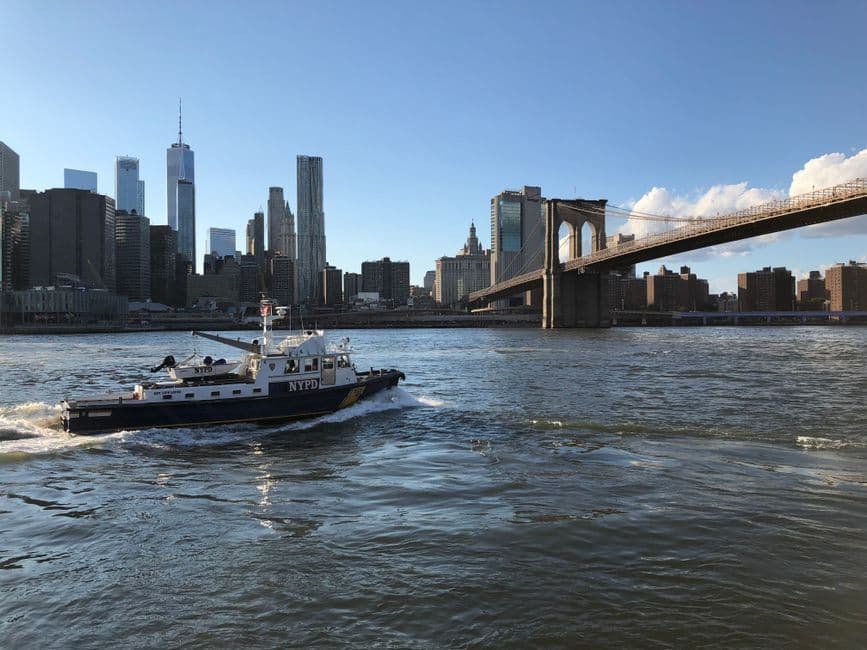
Stock photo for illustration only, not from the actual event
- Vessev tested its 30-foot electric hydrofoil ferry, the VS-9, in New York waters.
- Dual underwater foils lift the hull, stabilized by computer-controlled flaps.
- The company raised a $19 million Series A in August to target urban mass transit.
TechCrunch senior climate reporter Tim De Chant recently had the opportunity to experience Vessev's VS-9 electric hydrofoil ferry during a brief ride from the Brooklyn Marina toward Governors Island on New York's East River. He noted that the transition from regular sailing to the surface-skimming hydrofoil mode felt less like flying and more akin to riding in a sports car.
At approximately 30 feet long, the VS-9 resembles a standard catamaran on the surface, but conceals two wing-like structures beneath its hull that lift the vessel as it moves through the water. Computer-controlled underwater flaps maintain a smooth and stable ride, with the front foil handling the majority of the lift and the rear foil managing about 20%.
Eric Laakmann explained that the rear foil also houses the electric motor, which Vessev builds in-house to keep production costs aligned over time. Batteries are the only component the company outsources, noting they have already been commoditized. By lifting the hull clear of the water, hydrofoils operate with greater efficiency, a critical factor for electric vessels where every kilowatt-hour matters.
Stock photo for illustration only, not from the actual event
Despite their advantages, hydrofoils are not a universal solution. They perform best in waters where waves remain below the boat's clearance height—about 2.5 feet or 0.75 meters for the VS-9. Taller waves impact the hull, disrupting the smooth ride and reducing efficiency, making them less ideal for open oceans but well-suited for lakes, rivers, and bays.
While hydrofoil technology has existed for over a century, combining it with modern electric propulsion represents a significant step toward zero-emission maritime transportation. Vessev's focus on smaller urban ferries highlights a practical approach to augmenting city mass transit using existing waterways without requiring extensive new civil infrastructure investments.
Vessev, which secured a $19 million Series A funding round in August, is initially targeting transit operations to reduce operating costs for smaller vessels and improve comfort for urban commuters. Hotels, tour operators, and affluent buyers looking for recreational watercraft are also early target markets for the company.
Currently, the tested VS-9 is one of a kind, but Vessev plans to construct additional units and may eventually produce electric hydrofoil kits, enabling other boatbuilders to integrate the technology into their own custom vessel designs.
Source: TechCrunch
Found something wrong in this article? Report an issue with this article
Comments
Leave a Comment