

3D movies are finally worth watching
Smart video glasses and VR headsets solve legacy brightness and resolution issues, making 3D films on Xreal, Meta, and Apple devices shine.
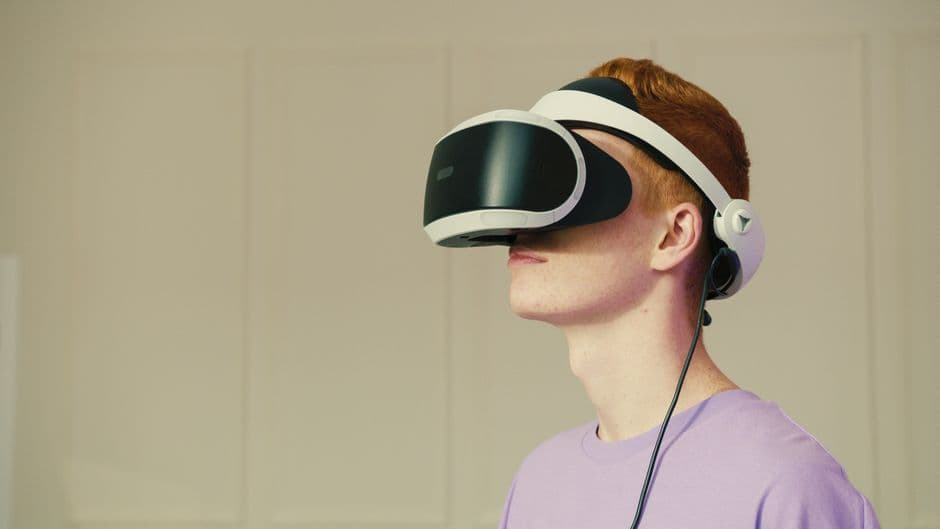
Stock photo for illustration only, not from the actual event
- Smart video glasses overcome traditional 3D viewing flaws like halved brightness and resolution.
- Devices such as Xreal, Meta Quest, and Apple Vision Pro deliver full 1080p resolution independently to each eye.
- Classic films and new content like Moana, Avatar, and Tron: Legacy offer unprecedented depth and immersion.
It took decades of waiting, but the underlying technology for stereoscopic films has finally caught up. More than 15 years after James Cameron's Avatar shattered box office records and wowed audiences worldwide, tech enthusiasts are finding compelling reasons to hunt down 3D Blu-ray discs once again.
Experiencing stereoscopic films used to come with frustrating compromises. Entering a theater with polarized glasses meant sacrificing roughly half of the image resolution and brightness as a single reflected image was split between both eyes. Active shutter glasses introduced similar drawbacks with flicker and reduced refresh rates, a limitation also seen in devices like the Nintendo 3DS.

Stock photo for illustration only, not from the actual event
Modern video glasses change the equation entirely by projecting dedicated screens directly to each eye, eliminating historical compromises in clarity and luminosity.
The transition from traditional cinema 3D filters to micro-OLED video glasses represents a major optical breakthrough. By bypassing passive light-splitting and active shutter flickering, modern wearable displays ensure full pixel count and vibrant brightness reach both eyes simultaneously, solving the core fatigue issues of past decades.
Tech reviewers have noted that testing hardware like the Xreal One Pro, alongside native 3D streaming support on the Meta Quest, Steam Frame, and Apple Vision Pro, unlocks Side-by-Side 3D (SBS 3D) content in full 1080p resolution per eye. Movies like Moana, Zootopia 2, Gravity, Pacific Rim, and Tron: Legacy reveal intricate layers of depth that flat screens simply cannot replicate.
"When the ocean parts to let Moana through, it no longer feels like looking at a flat wall of water. It’s a living chunk of ocean with life swimming inside."
Sean Hollister
Beyond traditional cinema, immersive experiences are expanding into concert films and documentaries. Billie Eilish's recent concert film—shot by James Cameron using 16 twin cameras and four remote-controlled AGITO rigs—alongside interactive natural history projects like Galapagos: The Last Eden viewed on Google and Xreal Aura hardware, showcase astonishing textures down to individual grains of sand and fur.
Source: The Verge
Found something wrong in this article? Report an issue with this article
Comments
Leave a Comment