

Federal judge calls Flock ‘indiscriminate mass surveillance’
Judge Sara Hill ruled that using Flock Safety to search a license plate without a warrant violates the Fourth Amendment, calling it mass surveillance.
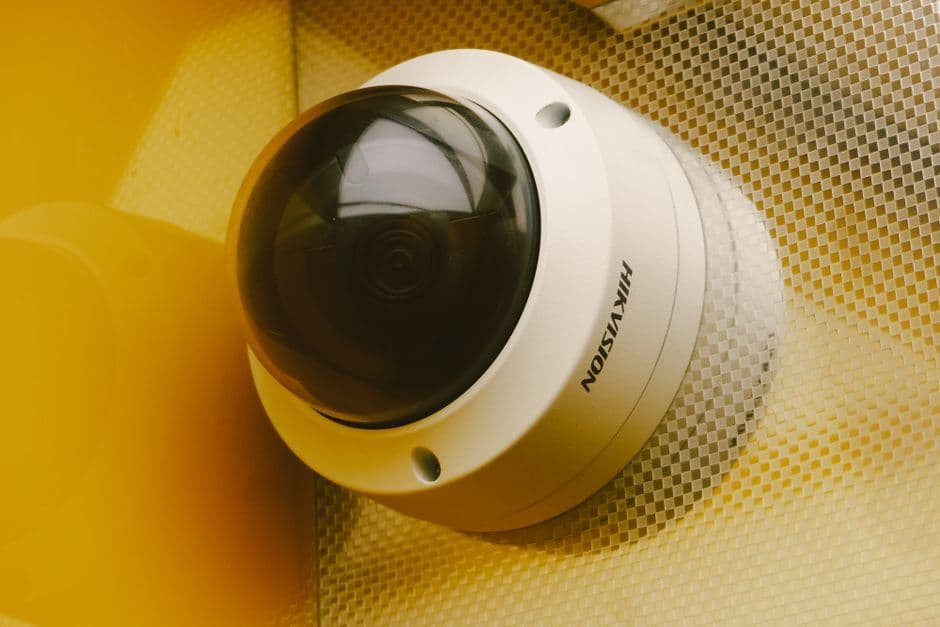
Stock photo for illustration only, not from the actual event
- A federal judge ruled that searching the Flock database without a warrant is unconstitutional.
- The case involved a Tulsa deputy who targeted a vehicle simply because it had a California license plate.
- The judge criticized the system for passively cataloging all passing vehicles on demand.
- Senator Bernie Sanders introduced the Block Flock Act to ban federal agencies from using such tools.
A federal judge ruled this week that a Tulsa, Oklahoma sheriff’s deputy violated a woman’s Fourth Amendment rights by using the Flock Safety system to search her license plate without securing a warrant. The ruling was initially brought to light by 404 Media.
Although the decision does not establish a binding precedent, it marks one of the first times a federal judge has formally declared that a warrantless Flock database search is unconstitutional.
In her opinion, Judge Sara Hill stated that the deputy lacked any apparent justification to search the Flock database for the motorist’s license plate other than the fact that her vehicle featured a California license plate.
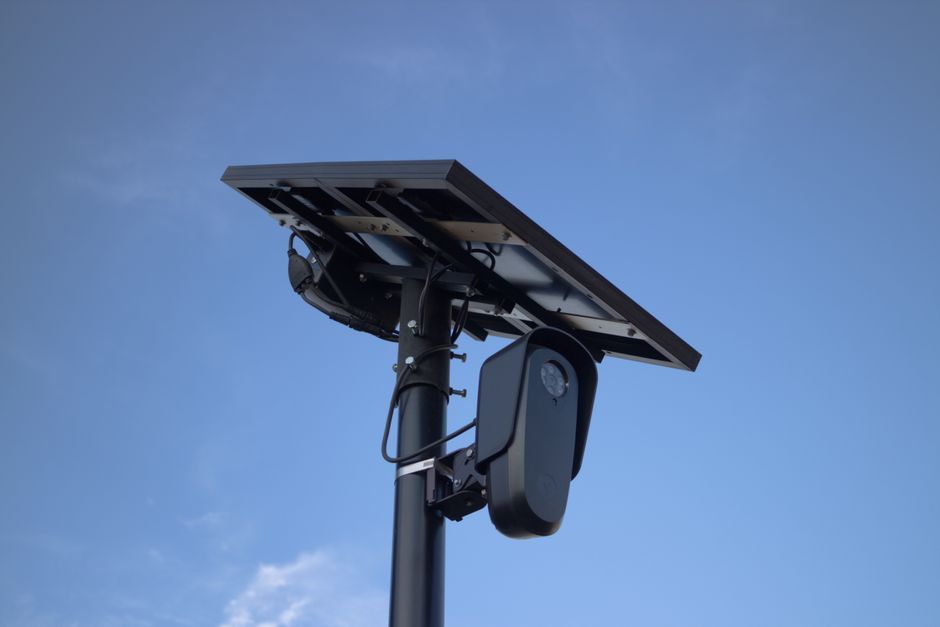
Stock photo for illustration only, not from the actual event
The deputy subsequently used the woman's travel history retrieved from Flock to justify searching her automobile, where officers reportedly recovered 91 pounds of methamphetamine. Nevertheless, Judge Hill wrote that all evidence gathered following the Flock search must be suppressed as the fruit of a poisonous tree.
This ruling represents a critical turning point in the legal battle between modern surveillance tech and Fourth Amendment privacy protections. Unlike targeted wiretaps or individual investigations, automated license plate readers continuously log the movements of every passing vehicle. By signaling that mass passive tracking over extended periods requires stricter legal oversight, this precedent could fundamentally alter how law enforcement agencies across the United States utilize private and semi-private digital tracking infrastructure.
Judge Hill expanded her criticism beyond the individual incident, writing that tracking people's locations becomes constitutionally problematic when law enforcement agencies can indiscriminately catalog whereabouts over extended periods for any convenient purpose.
This is a type of indiscriminate mass surveillance. It is not targeted on a single individual, as in Carpenter v. United States.
Judge Sara Hill
Judge Hill joins a rapidly expanding group of critics spanning the political spectrum. Multiple local and state governments, including Florida and Texas, have announced they will halt their use of the technology. Meanwhile, Senator Bernie Sanders, a Democrat from Vermont, introduced the Block Flock Act to prohibit federal agencies from deploying automated license plate readers like Flock.
Garretty Langley, CEO of Flock, has called for a compromise balancing privacy with public safety, while issuing an apology to women targeted or stalked by law enforcement officers abusing the system. Amid growing cancellations and backlash, the company has reportedly introduced voluntary employee buyouts to downsize its workforce.
Source: TechCrunch
Found something wrong in this article? Report an issue with this article
Comments
Leave a Comment