

Burnham scraps controversial plans to curb jury trials
UK government drops plans for judge-alone trials amid intense backlash, as the court backlog stands at nearly 81,000 cases.
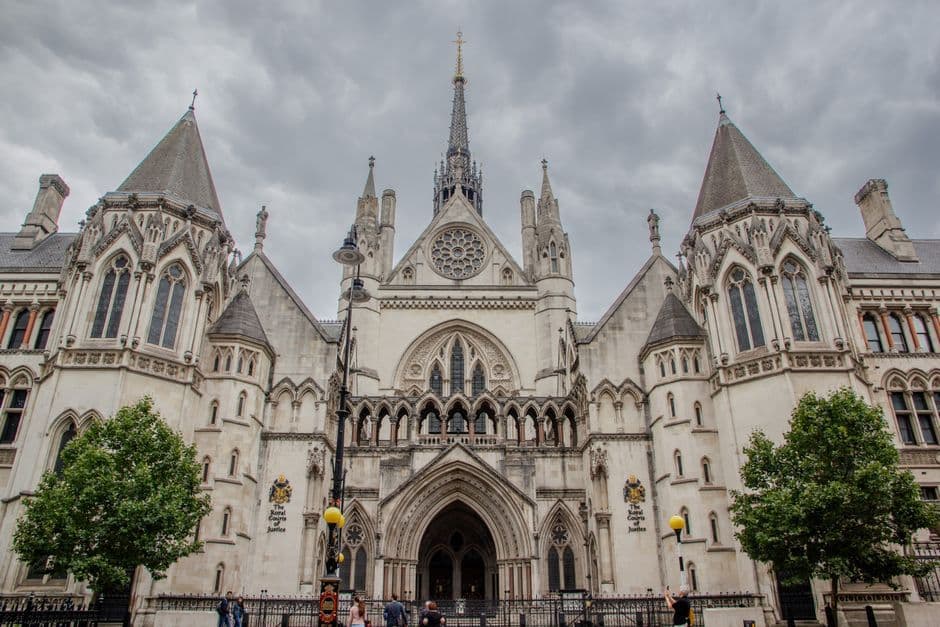
Stock photo for illustration only, not from the actual event
- UK government drops controversial plans allowing judges to make sole decisions on certain trials.
- The proposals aimed to tackle a court backlog currently standing at nearly 81,000 cases.
- Legal professionals and Conservatives welcomed the reversal of the proposed reforms.
Prime Minister Andy Burnham's government has officially scrapped controversial proposals designed to curb jury trials in crown courts across England and Wales, responding to widespread resistance from the legal community.
Keir Starmer's administration had previously introduced measures that would have permitted judges to preside over cases carrying sentences of less than three years without a jury. Under the initial framework, only complex financial crimes were slated for judge-alone proceedings, while thousands of medium-level offences would have been directed to volunteer magistrates.
Stock photo for illustration only, not from the actual event
Stock photo for illustration only, not from the actual event
Justice Secretary Alex Norris stated that he reversed the policy direction after listening closely to the strong sentiments expressed against the original reforms. Despite dropping this specific measure, Norris emphasized his ongoing commitment to reducing trial delays and improving systemic efficiency.
"I have heard the strength of feeling on the proposals for increasing the number of judge-alone trials in the Crown Court and have made the decision to change course."
Alex Norris
This policy reversal highlights the delicate balance between administrative efficiency and foundational legal principles in the UK justice system. Trial by jury has a history spanning over 800 years, and attempts to resolve a backlog of nearly 81,000 cases—which projections suggest could reach 100,000 before the next general election—face intense scrutiny when they threaten to erode long-standing defendant rights and safeguards within crown and magistrates courts.
Andrew Thomas KC, chairman of the Criminal Bar Association, expressed relief over the decision but cautioned that shifting more intermediate cases to volunteer magistrates could create new operational bottlenecks, especially given their lack of preparation for complex, multi-day trials involving serious offences such as assaults and sexual abuse.
Source: BBC Politics
Found something wrong in this article? Report an issue with this article
Comments
Leave a Comment