

Queen's University students blast off to US for Nasa robotics
Ten QUB students take their 52kg aluminium rover to the University of Central Florida representing the UK and Europe in the Nasa Lunabotics competition.
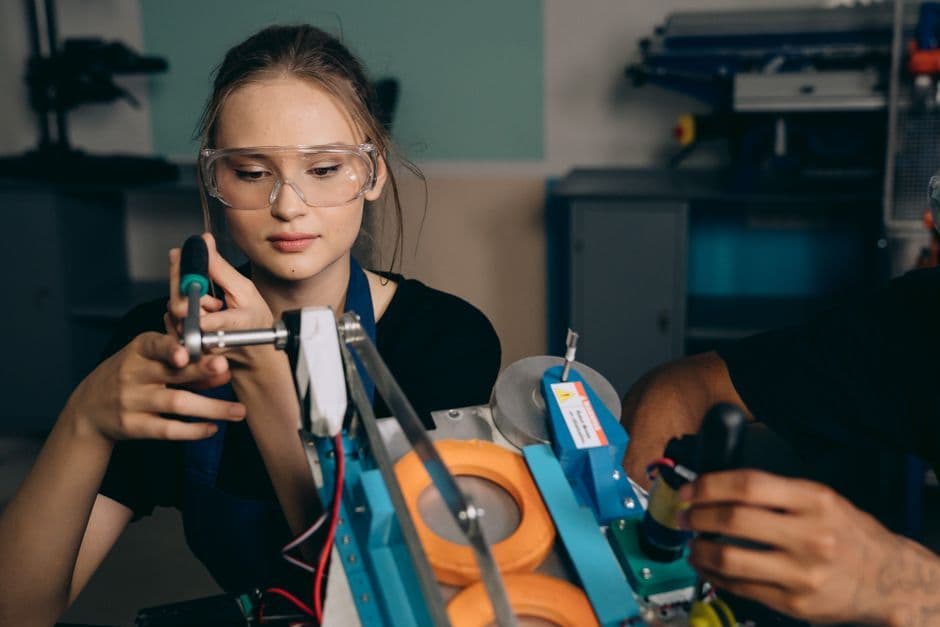
Stock photo for illustration only, not from the actual event
- Ten students from Queen's University Belfast represent the UK and Europe at Nasa Lunabotics
- The team built a 52kg aluminium-framed robot designed to simulate lunar exploration missions
- The student group was divided into software, electronics, and mechanical engineering teams
Young engineering students from Queen's University in Northern Ireland are heading to the United States to compete in a prestigious university-level robotics competition. The Nasa Lunabotics challenge invites student teams to apply NASA systems engineering processes to design, build, and operate lunar robots.
The team has developed a lab-built robotic rover intended to test how future moon missions would handle lunar terrain. The expected tasks for these robots include digging up lunar material, driving across obstacles, and using the gathered material to construct a barrier wall.
Stock photo for illustration only, not from the actual event
Comprising 10 QUB students, the team secured their spot at the international event after winning a preliminary competition in Milton Keynes earlier this year. They will now compete at the University of Central Florida against university teams hailing from Australia, India, and the US.
The Nasa Lunabotics competition tests not only fundamental robotics and autonomous programming capabilities, but also replicates real-world aerospace engineering constraints such as handling extraterrestrial regolith and autonomous navigation, offering students invaluable hands-on experience for future space exploration careers.
Jamie Smith, a third-year electrical and electronic engineering student and software team lead, explained that the group was divided into three distinct sections focusing on software, electronics, and mechanical components. Their primary mission was controlling the rover and developing its autonomous capabilities, alongside building software simulations prior to hardware assembly.
"We got on very well. We ended up winning the competition and had great fun," he said.
Jamie Smith
Meanwhile, PhD researcher and mechanical team member Jack Fitzpatrick detailed that they designed the 52 kg aluminium frame robot rover before taking it to victory in the UK competition, subsequently earning an invitation to NASA's international Lunabotics event.
Source: BBC Science & Environment
Found something wrong in this article? Report an issue with this article
Comments
Leave a Comment