

Geoffrey Bawa: Vitra Design Museum showcases Sri Lankan architect
The exhibition Geoffrey Bawa: Architecture for the Senses at the Vitra Design Museum explores the renowned Sri Lankan architect's tropical modernist vision.
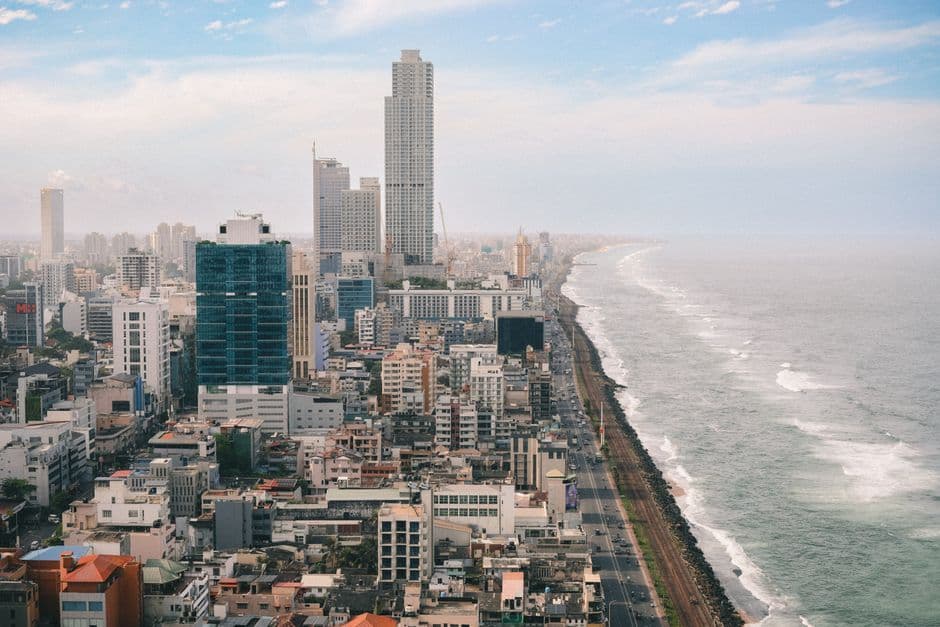
Stock photo for illustration only, not from the actual event
- Vitra Design Museum hosts a retrospective exhibition on acclaimed Sri Lankan architect Geoffrey Bawa
- The showcase examines the interplay between tropical climate, history, and architectural identity
- Bawa's work pioneered Tropical Modernism by blending vernacular crafts with modernist aesthetics
- Key highlights feature the Lunuganga estate, Number 11 house, and the Sri Lankan parliament
The Vitra Design Museum is currently staging a major retrospective titled Geoffrey Bawa: Architecture for the Senses, diving deep into the distinctive design universe of the celebrated Sri Lankan architect who lived from 1919 to 2003. The exhibition reflects on the shifting relationship between history, modernity, and place through iconic projects like the Lunuganga garden and the Sri Lankan parliament.
Before dedicating his life to architecture, Bawa spent his early years traveling extensively across Europe and was initially tempted to settle down in Italy. However, he ultimately chose to return to his birthplace in Sri Lanka just as the island nation gained independence from British rule, setting the stage for a career intimately tied to the country's redefining national identity.
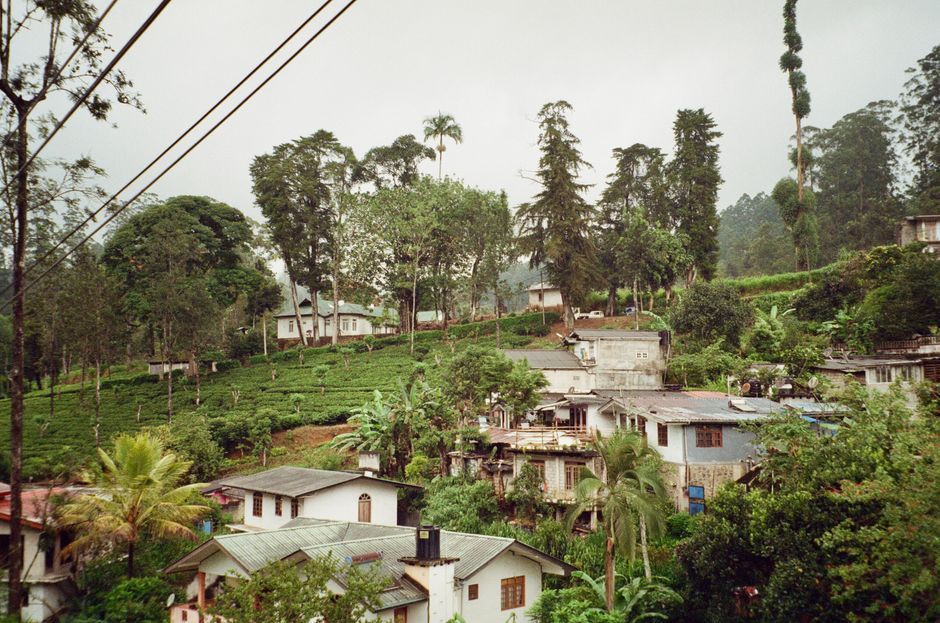
Stock photo for illustration only, not from the actual event
Writing in the exhibition catalogue essay In Time: The Architecture of Geoffrey Bawa, Shayari De Silva notes how the relentless tropical heat and humidity of Sri Lanka cause decay to progress rapidly. Bawa recognized this dynamic early on, ensuring his residential and hospitality projects responded directly to rain and humidity while observing the nation's political shifts and foreign influences.
AI Insight: Bawa's championing of 'Tropical Modernism' served as a deliberate rejection of heavy, ornate British colonial architecture unsuited to local weather. By fusing modernist principles originating from the Bauhaus with indigenous Sri Lankan craft traditions—such as vibrant batiks created alongside local artisans—Bawa established a design language deeply rooted in its geographic and cultural realities.
The exhibition also highlights Bawa's ongoing collaborations with local creatives, displaying colorful batik works that echo his vibrant ceilings at the Bentota Beach Hotel. Additionally, a large-scale three-channel video installation by Kavindu Sivaraj immerses visitors in the lush landscapes that shaped Bawa's architectural vocabulary.
Early sections of the exhibition focus on his personal laboratories of practice: his country estate Lunuganga in Bentota, developed between 1948 and 2003, and his Colombo residence Number 11, built from 1958 to 1969. These properties showcase his ability to merge historical influences with his evolving personal style.
Later in life, Bawa achieved a rare milestone for an architect by leading the construction of Sri Lanka's national parliamentary building, completed in 1982 near Colombo. Overlooking a man-made body of water, the complex features a floating ensemble of pavilions that bridges past vernacular architecture with modern needs.
Source: designboom
Found something wrong in this article? Report an issue with this article
Comments
Leave a Comment