

US launches heavy strikes on Iran after attempted attack on troops
The US military launched major airstrikes targeting Iran following an attempted assault on American service members, as the ongoing conflict extends into its fifth month.
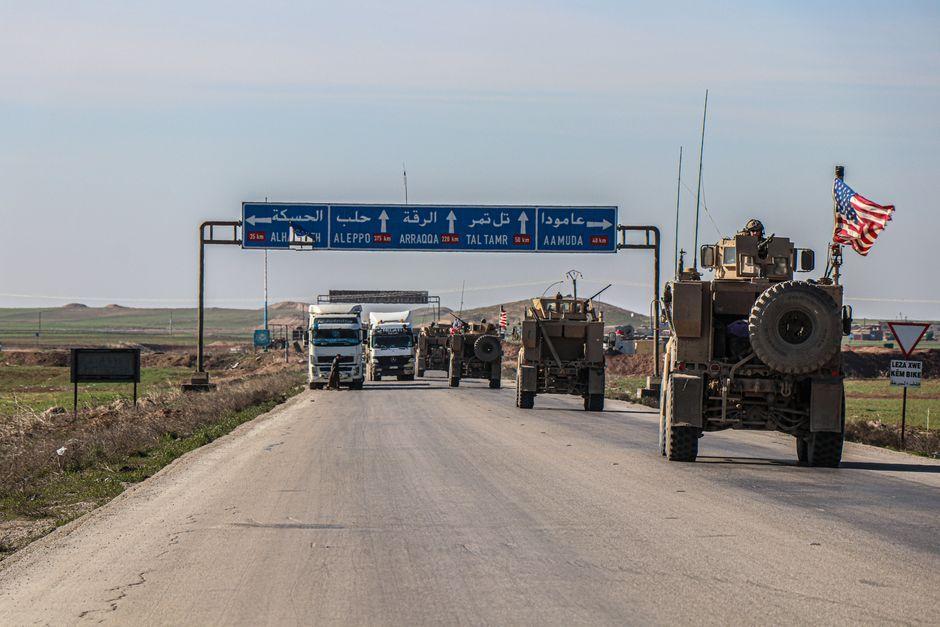
Stock photo for illustration only, not from the actual event
- The US launched heavy military strikes on Iran following a failed attack on American troops
- The US and Saudi Arabia recently conducted their first joint strikes against Iranian proxies in Iraq
- President Donald Trump initially predicted the war would last weeks, but it has now reached five months
The US military has carried out heavy airstrikes targeting Iranian infrastructure following an attempted attack against American troops just a day prior. This latest escalation came mere days after the conflict expanded significantly, marked by the first publicly announced joint strikes between the United States and Saudi Arabia directed at Iranian proxy forces operating inside Iraq.
When the US and Israel initially launched military actions against Iran back in February, President Donald Trump asserted that the war would conclude within a matter of weeks. However, the conflict has now persisted for five full months with no definitive end in sight.
Axios reported on Wednesday, citing an anonymous US official, that President Trump had met with Saudi Defence Minister Prince Khalid bin Salman. During the meeting, the prince conveyed that Saudi Arabia is actively seeking to de-escalate regional tensions. The BBC has reached out to the White House for an official response.
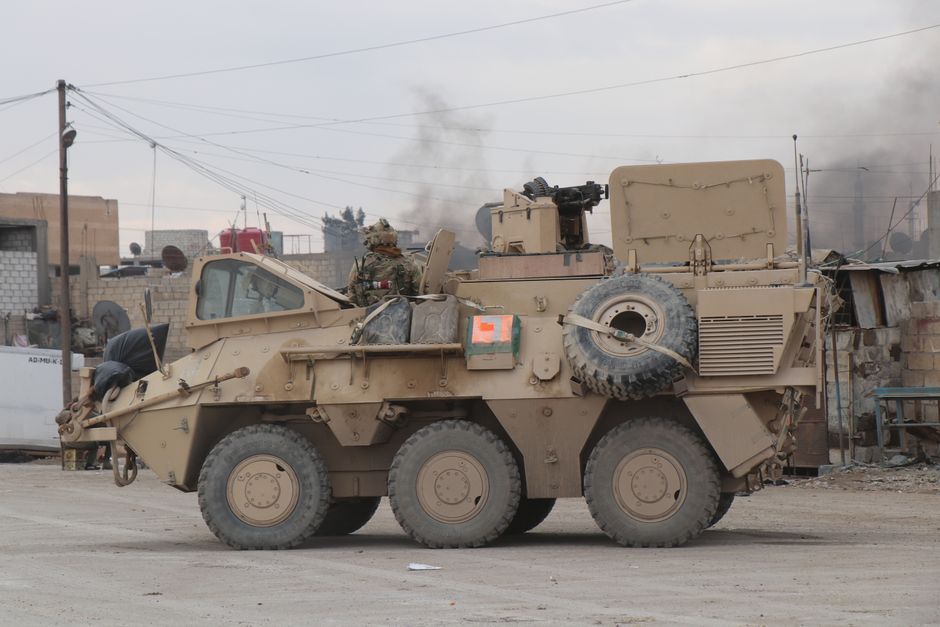
Stock photo for illustration only, not from the actual event
Hostilities have reignited following a brief several-day period of relative calm. For multiple days, both nations suspended active strikes as diplomatic talks seemingly resumed in the hope of securing a peaceful resolution. Trump characterized the discussions as very friendly negotiations, although Tehran firmly denied that any such talks took place.
The prolongation of the US-Iran conflict well beyond initial political forecasts highlights the immense complexity of managing state-backed proxy networks across the Middle East. Integrating Saudi Arabia directly into regional military responses signals a strategic shift toward a broader coalition approach designed to pressure Tehran on multiple fronts simultaneously.
The US Central Command (Centcom) stated upon the completion of the operations that the strikes targeted military command centres, missile and drone facilities, coastal surveillance and defense sites, and maritime capabilities.
Hours prior to the public announcement of the strikes, President Trump vowed to retaliate against Iran for their attempted assault on US service members the previous day. Meanwhile, the Islamic Revolutionary Guard Corps (IRGC) claimed they had targeted a US air base and a command centre located in Jordan in direct response to the aggressive actions of the American military.
Last Friday, President Trump paused an intense bombing campaign that had continued for 13 consecutive nights, which American officials stated was aimed at Iranian weapons and military installations. Numerous casualties were reported as a result of that campaign.
On Tuesday, Centcom announced that joint US-Saudi strikes successfully hit multiple logistics and weapons sites across eastern Iraq. This action served as a strong response to more than 30 aerial drone attacks directed by the IRGC over the preceding 72 hours. Iraq’s Popular Mobilisation Forces (PMF), dominated by Iran-backed Shia militias, reported that at least 20 of its personnel were killed during the strikes on their bases. Nevertheless, President Trump told Fox News that the military actions had been closely coordinated with the Iraqi government.
Source: BBC World
Found something wrong in this article? Report an issue with this article
Comments
Leave a Comment