

New forensic evidence supports Egyptian retainer sacrifice
Fresh analysis of First Dynasty mass graves reveals fatal blunt force trauma on 39 percent of skulls, supporting the retainer sacrifice theory.
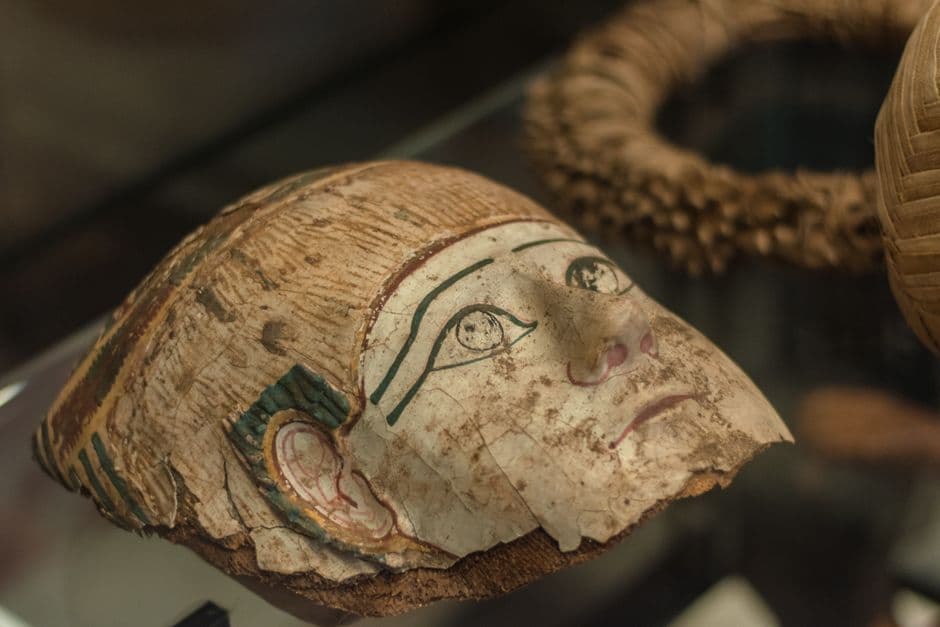
Stock photo for illustration only, not from the actual event
- Researchers examined skulls from First Dynasty mass burial sites in Egypt
- Evidence shows 39 percent of skulls suffered fatal blunt force trauma
- The new findings strongly support the controversial retainer sacrifice theory
- Modern forensic techniques help resolve long-standing historical debates
A fresh forensic investigation has reignited discussions within Egyptology after researchers examined skeletal remains from First Dynasty mass burials in ancient Egypt, uncovering critical clues regarding the violent causes of death among individuals buried alongside early rulers.
The mass graves in question are located within early royal burial grounds that have long puzzled archaeologists regarding the circumstances under which so many people died at the same time. Modern anthropological and forensic analysis has now allowed the team to examine structural damage on the bones with unprecedented precision.
The examination of numerous skull specimens revealed that 39 percent of them displayed distinct signs of severe blunt force trauma to the head, with injury patterns clearly consistent with violent intervention prior to death.
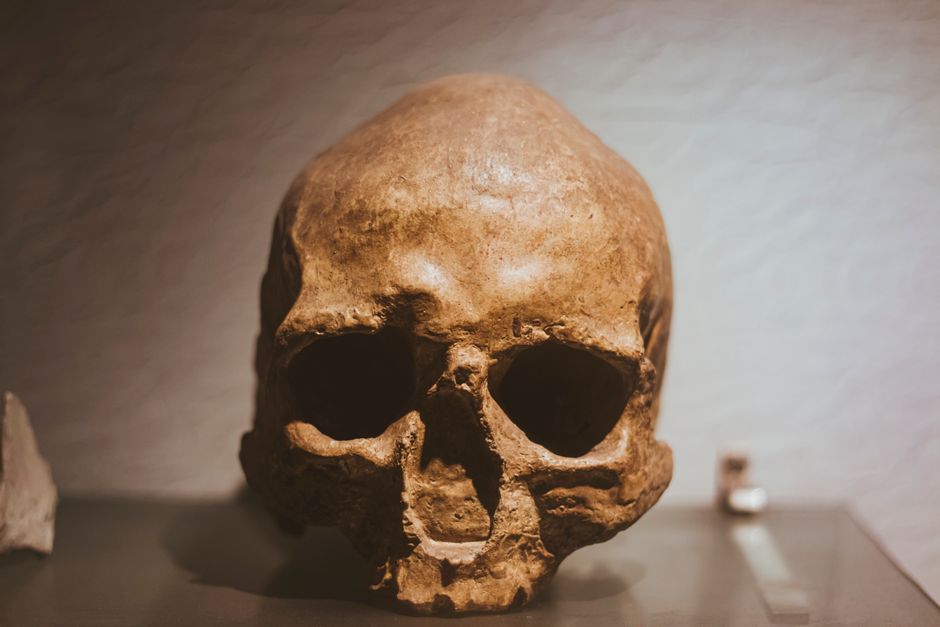
Stock photo for illustration only, not from the actual event
This discovery provides crucial empirical evidence addressing a long-standing historical gap, as some scholars previously theorized that simultaneous deaths in ancient tombs might have resulted from disease outbreaks or natural disasters rather than human action.
Retainer sacrifice has been a debated practice across multiple ancient civilizations, including early Mesopotamia and ancient China. In ancient Egypt, hard evidence for this ritual has been scarce, often dismissed by some as speculative. Applying modern forensic science to examine physical trauma represents a major shift from purely artifact-based interpretation to biological verification of ancient human behavior.
Although this new evidence heavily tilts toward the intentional sacrifice hypothesis, researchers continue to analyze additional biological markers to fully understand the social context and chronological sequence of events during Egypt's formative historical era.
Source: Ars Technica
Found something wrong in this article? Report an issue with this article
Comments
Leave a Comment