

Exploring Hall-effect, TMR, and new keyboard switches
A deep dive into modern non-mechanical keyboard sensing technologies like Hall-effect and TMR switches, based on Ars Technica's latest guide.
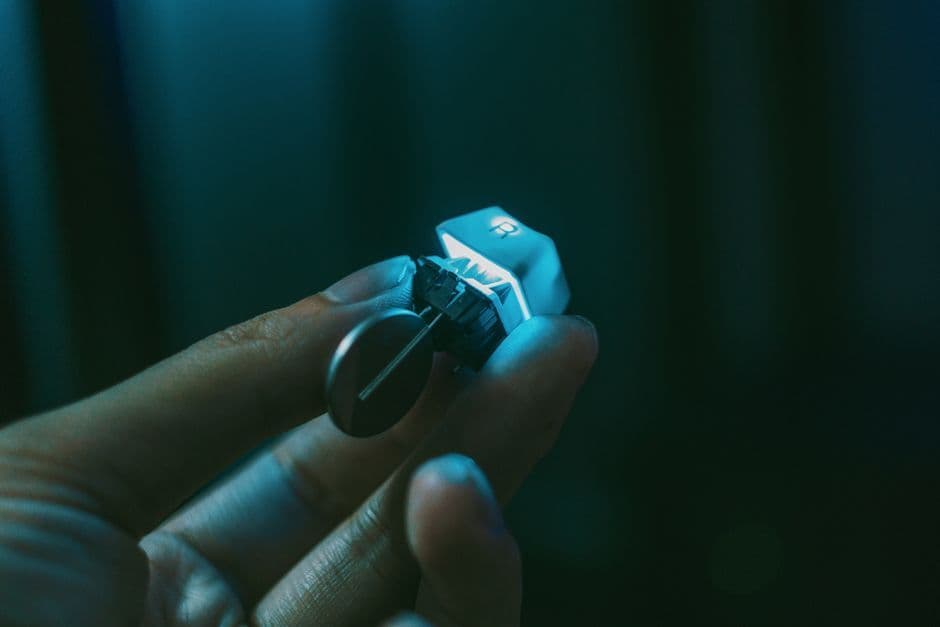
Stock photo for illustration only, not from the actual event
- Understand the shift toward magnetic sensor keyboard tech
- Compare the mechanics of Hall-effect and TMR switches
- Explore the durability benefits of physical contact-free keys
The landscape of mechanical keyboards is undergoing a massive shift. While traditional switches rely on physical copper leaf contact to register keystrokes, modern high-end keyboards are increasingly adopting magnetic fields and proximity sensors to detect actuation without metal wear and tear.
A recent guide by Ars Technica breaks down the mechanics and rationale behind these new sensing technologies, focusing heavily on Hall-effect and TMR switches that have captured the attention of enthusiasts seeking ultimate precision and longevity.
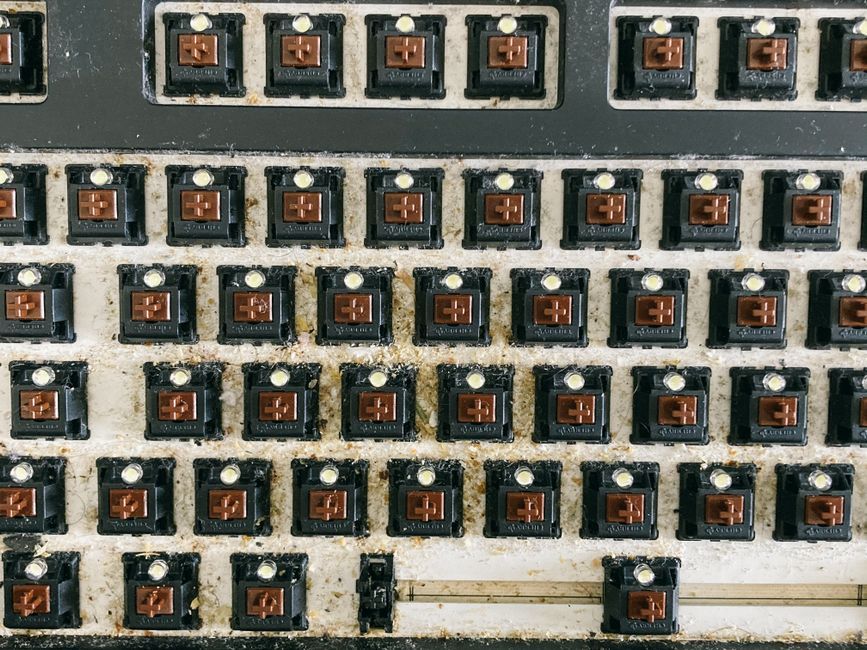
Stock photo for illustration only, not from the actual event
At its core, a Hall-effect switch mounts a tiny magnet on the moving stem. As the key is pressed down, the magnet moves closer to a solid-state sensor on the PCB, altering the magnetic flux density which the sensor translates into a precise analog voltage curve.
This magnetic sensing approach unlocks advanced features like Rapid Trigger, allowing users to customize actuation and reset points dynamically as soon as the key reverses direction, greatly reducing travel latency for fast-paced typing and gaming.
Beyond Hall-effect, the industry is also exploring Tunneling Magnetoresistance (TMR) sensors. TMR technology offers exceptionally high sensitivity and lower power consumption by leveraging quantum mechanics to measure resistance changes based on magnetic orientation.
Source: Ars Technica
Found something wrong in this article? Report an issue with this article
Comments
Leave a Comment